Viscose, known for its soft drape and comfort, requires careful care to maintain its look and feel. This guide provides practical steps to clean viscose fabrics at home while preserving color, texture, and shape. The focus is on safe techniques, suitable products, and common-sense routines that work for most viscose garments.
Readers will find a concise quick answer, a clear list of tools, safety notes, and step-by-step instructions designed for everyday households. By following these methods, viscose clothing can stay fresh and vibrant without professional cleaning.
Quick Answer
For most viscose items, hand washing in cool water with a gentle detergent is safest, followed by careful air drying. If in doubt, spot clean minor stains with a viscose fabric stain remover pen and use a delicate wash bag for machine washing when appropriate.
What You’ll Need
- Viscose fabric stain remover pen
- Delicate wash bag for viscose garments
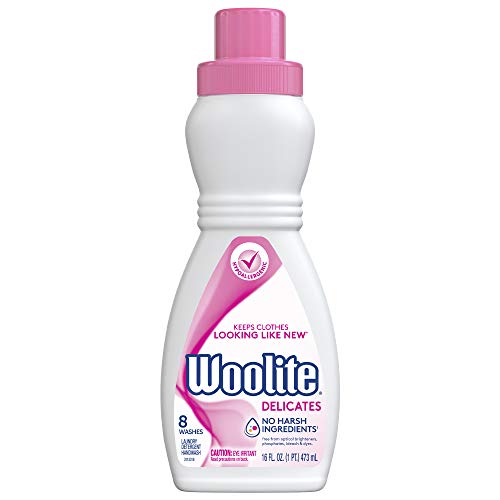
- Gentle liquid detergent for viscose fabric
- Soft cleaning brush for viscose clothing
- Viscose clothing care kit

Before You Start
Before cleaning viscose, check the garment care label for specific instructions. Visco se fibers can shrink or lose luster if exposed to heat or aggressive agitation. Conduct a patch test on an inconspicuous area with a small amount of detergent or stain remover pen to confirm colorfastness. Time estimates vary; expect 20–40 minutes for a single item, plus drying time. Avoid hot water and high-heat drying, which can distort fiber structure. If a stain is deeply set, consider professional cleaning for best results.
Step-By-Step: How To Clean Viscose
- Inspect the garment and identify stains. Blot gently with a clean cloth to remove surface dirt without rubbing the fabric, which can push stains deeper.
- Perform a patch test on an inner seam with a small amount of gentle liquid detergent to ensure color stability.
- For small spots, apply the viscose fabric stain remover pen directly to the stain. Let it sit for the recommended time, then blot lightly with a clean cloth.
- Fill a basin with cool or lukewarm water and add a small amount of gentle liquid detergent designed for viscose. Avoid harsh detergents or chlorine bleach.
- Submerge the item or cleanse gently by hand, avoiding twisting or wringing. Move the fabric slowly through the water with your hands to lift dirt without stressing fibers.
- Rinse thoroughly with cool water until no suds remain. Gently press out excess water—do not twist the fabric.
- Lay the garment flat on a clean towel, roll to absorb moisture, then reshape if needed. Air dry away from direct sunlight and heat sources to preserve color and texture.
- If machine washing is recommended on the care label, place the item in a delicate wash bag, select a gentle cycle with cool water, and use a small amount of viscose-friendly detergent; remove promptly after the cycle ends to minimize wrinkling.
- For wrinkles, use light steam from a garment steamer at a safe distance, or press with a cool iron through a pressing cloth on a low setting if the care label allows.
- Store viscose garments on padded hangers or folded with tissue to prevent creasing. Regular light brushing with a soft cleaning brush can help maintain nap and softness.
- Repeat spot-cleaning as needed. For persistent stains or delicate items, repeat the process with patience and avoid overdrying.
Troubleshooting
| Symptom | Likely Cause | Fix | Prevention |
|---|---|---|---|
| Faded color after washing | Overexposure to sunlight or hot water | Wash in cool water; dry away from sun | Always check label and use gentle cycle |
| Shrinking after washing | Heat exposure or agitation | Air dry flat; avoid tumble drying | Use delicate cycle and cool water |
| Stubborn stain remains | Stain deeply set or unsuitable product | Reapply viscose fabric stain remover pen and repeat | Test stain removal on hidden area first |
| Pilling or fabric roughness | Rubbing during washing | Use gentle wash bag; avoid over-washing | Limit washing frequency when possible |
Common Mistakes
- Using hot water or bleach on viscose—this weakens fibers and dulls color.
- Wringing or twisting fabrics, which distorts shape and causes wrinkles.
- Skipping patch tests before applying stain removers or detergents.
- Drying viscose in direct sunlight or with high heat.
Tips For Best Results
- Always separate viscose items by color to prevent dye transfer.
- Choose a detergent labeled for delicate fabrics and viscose care.
- Use a soft brush to remove lint or dust without abrading the surface.
- Prepare a small, dedicated cleaning space to minimize handling and stress on fibers.
Call A Professional
Consider professional cleaning if the garment is heavily stained, placed under a ripped seam, or if the care label advises dry cleaning only. Stop-use signs include color bleed, severe stretching, or persistent wrinkling after basic cleaning attempts.
FAQ
Can viscose be washed in a washing machine?
Yes, often on a delicate cycle with a gentle detergent inside a delicate wash bag, but always follow the care label and avoid high heat.
Is a stain remover pen safe for viscose?
Yes, when used as directed and tested on a hidden area first to ensure no color change.
Should viscose garments be air-dried?
Yes, air drying is preferred to maintain fiber integrity and prevent shrinkage.
What should I do about wrinkles on viscose?
Use a garment steamer or iron on a cool setting with a pressing cloth; avoid direct high heat.
Can I use a regular detergent on viscose?
Recommended to use a gentle liquid detergent formulated for viscose or delicate fabrics.
How often should viscose be cleaned?
Depends on wear and soil; spot clean promptly and wash only when necessary to preserve the fabric.
Buying Guide
When choosing products for cleaning viscose, consider size, noise level, energy efficiency, controls, and placement. A compact viscose clothing care kit can streamline routines, while a soft cleaning brush helps with delicate lint removal. Look for a viscose fabric stain remover pen that is safe for color and fibers. For machines, opt for a dedicated delicate wash bag that protects items during gentle cycles. A gentle liquid detergent designed for viscose fabrics reduces risk of fiber damage and color loss. Consider storage and placement in a cool, dry area away from direct sunlight to extend garment life. If you frequently launder viscose items, a compact care kit is a practical investment for consistent results.