Vinyl laminate flooring offers durability and a polished look, but it requires proper cleaning to maintain its shine and prevent damage. This guide provides practical, step-by-step instructions tailored for American homes, using common tools and safe cleaning practices that work with various vinyl surfaces.
Readers will find quick, actionable tips, a complete list of tools, step-by-step procedures, troubleshooting, and buying guidance to help choose the right cleaning solutions and gear for vinyl floors.
Quick Answer
Clean vinyl laminate floors with a damp mop or microfiber spray mop to remove surface dirt without oversaturating seams. Use a mild cleaner, avoid harsh chemicals, and dry promptly to prevent warping. For tough spots, a soft brush or scrub pad can help, followed by a dry wipe.
What You’ll Need
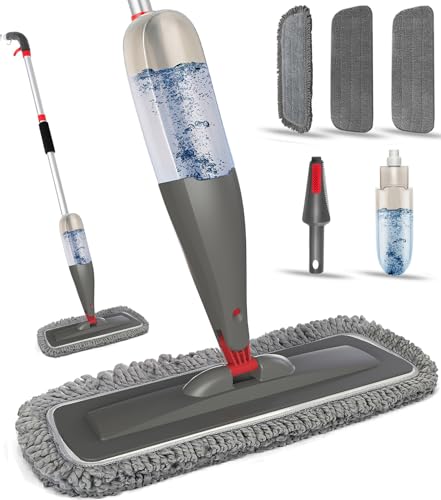
- Microfiber spray mop for vinyl plank flooring
- Steam mop for vinyl laminate flooring
- Electric spin mop for vinyl plank flooring
- Reusable microfiber mop pad set for vinyl floors
- Floor scrub brush attachment for vinyl laminate cleaning


Before You Start
Before cleaning, remove loose debris with a dry dust mop or broom. Check for manufacturer recommendations on your exact product label, especially regarding steam use on vinyl. Do not use wax, polish, or abrasive cleaners, as these can leave residues or cause slippery surfaces. Allow the floor to acclimate to room conditions if recently installed, and test any cleaner in a small, inconspicuous area first.
Time estimate: 15–30 minutes for routine cleaning, longer for maintenance or spot removal. Safety note: ensure cords are out of the way when using mops with electricity, and never saturate the floor with water to avoid seepage into seams.
Step-By-Step: How To Clean Vinyl Laminate Flooring
- Prepare the area by removing furniture and mats. Vacuum or sweep to remove dust and grit that can scratch when mopped.
- Choose your tool for the job, selecting a microfiber spray mop for everyday cleaning or a steam mop for deeper sanitizing on sealed surfaces.
- Apply a mild cleaner according to the product label, using the spray mop to distribute a light, even mist across a small section.
- Mop in sections, moving along the grain of the floor and overlapping strokes to ensure complete coverage without leaving streaks.
- Address spots and stains with a soft brush or scrub pad attachment for stubborn marks, then wipe away residue with a clean, damp microfiber pad.
- Rinse when necessary by mopping with a clean damp pad to remove any cleaner residue that could attract dirt.
- Dry the surface promptly with a dry microfiber pad or towel to prevent standing water and minimize moisture exposure.
- Inspect for missed areas and repeat as needed, paying attention to high-traffic zones and near doorways.
- Maintain the floor by establishing a regular cleaning schedule and rotating tools to reduce wear on any single pad.
- Store gear properly after use; rinse reusable pads and air dry to prevent odor or mildew.
- Optional sanitizing step if using a steam mop: ensure tiles are rated for steam cleaning and pass the steam over each area briefly without lingering moisture.
- Final wipe-down with a clean, dry pad to leave the floor looking pristine and protected.
Troubleshooting
| Symptom | Likely Cause | Fix | Prevention |
|---|---|---|---|
| Dull finish or streaks | Residue from cleaners | Rinse with a clean damp pad and dry thoroughly | Use minimal cleaner; avoid waxy products |
| Water spots or warping near edges | Excess moisture | Wipe up moisture immediately; never soak the floor | Use wrung-out pads; monitor steam mop usage |
| Scratches after mopping | Grit trapped in pad | Rinse or change pads during cleaning | Shop for microfiber pads with dense, split fibers |
| Stubborn stains persist | Deep-set dirt | Gently scrub with a floor scrub brush attachment, then re-mop | Address spots promptly to prevent set-in stains |
Common Mistakes
- Using too much water or soaking the floor, which can seep into seams.
- Applying harsh chemicals or wax-based products that leave residues and reduce traction.
- Using abrasive tools that scratch the surface; always opt for soft brushes or pads.
- Neglecting to dry the floor after cleaning, inviting streaks and slip hazards.
Staying on top of minor spills and routine cleaning helps maintain color and texture without causing long-term damage.
Tips For Best Results
- Schedule regular quick cleans with a microfiber spray mop to prevent buildup between deeper cleans.
- Switch to a reusable microfiber mop pad set after every few sections to maintain effective cleaning power.
- Use a floor scrub brush attachment only on tough spots, avoiding general scrubbing to preserve surface gloss.
- Test cleaners in a hidden corner first to verify there is no dulling or discoloration.
- Rotate cleaning tools to avoid excessive wear on a single pad or brush head.
Call A Professional
Consider contacting a flooring professional if you notice persistent warping, severe discoloration, or extensive staining that does not respond to standard cleaning. Signs that warrant expert help include underlayment issues, bubbling, or large moisture-related damage.
FAQ
Can I use a steam mop on all vinyl laminate floors?
Steam mops are suitable for some sealed vinyl laminates. Always check the manufacturer’s guidelines before using steam to prevent damage.
What cleaners are safe for vinyl floors?
Use mild, pH-balanced cleaners or cleaners specifically formulated for vinyl floors; avoid bleach, ammonia, and wax-based products.
How often should I mop vinyl floors?
Light daily or every-other-day sweeping, followed by weekly mopping, is usually sufficient for most homes.
Do I need to dry the floor after cleaning?
Yes, drying helps prevent moisture-related issues and keeps floors looking polished.
Is a microfiber pad better than a cotton pad?
Yes, microfiber pads pick up more dirt with less effort and reduce abrasion compared to cotton.
Can I use water alone to clean vinyl floors?
Water alone can be effective for light cleaning, but a mild cleaner improves dirt lifting and sanitizing.
Buying Guide
Choosing the right cleaning setup for vinyl laminate flooring involves several factors. Consider size and layout of the space to determine the right mop width and pad coverage. Noise level can matter in multi-unit homes or apartments; some electric mops operate more quietly than steam models. Energy efficiency is typically related to steam usage and motor power, so review product specs if environmental impact matters. Look for adjustable steam settings, easy-to-clean pads, and compatible attachments. Placement considerations include storage space for mops, pads, and solutions, as well as whether you need a lightweight option for upstairs cleaning or a more robust model for large, open areas. Compare at least a couple of configurations, such as a microfiber spray mop with reusable pads versus a steam mop with a sealed cleaning mechanism, to determine which best fits lifestyle and maintenance routine. Are you aiming for quick daily maintenance or deep cleaning a few times a season? Balance convenience, cost, and floor-care needs to select the ideal setup.