Microfiber furniture is popular for its softness and stain resistance, but urine spills can leave stubborn odors and visible marks. This guide outlines practical, at-home methods using common supplies and targeted cleaners to restore fabric without damage. The steps prioritize safety, effectiveness, and preserving the couch’s texture and color for American households.
Quick Answer
Act quickly: blot, pre-treat with an enzyme-based cleaner designed for microfiber and urine, then rinse and air dry. Use a microfiber-safe stain remover, and finish with a dedicated upholstery cleaning brush or kit to lift remaining residues. For tough stains, repeat the treatment or switch to a gel-based remover. Always test a hidden area first.
What You’ll Need
- Enzyme upholstery cleaner for microfiber urine stains
- Microfiber couch urine stain remover spray
- Stain remover gel for microfiber couch urine
- Upholstery cleaning kit microfiber with stain removing towels
- Microfiber furniture cleaning brush and upholstery cleaner set

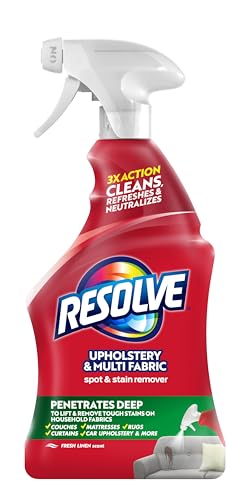
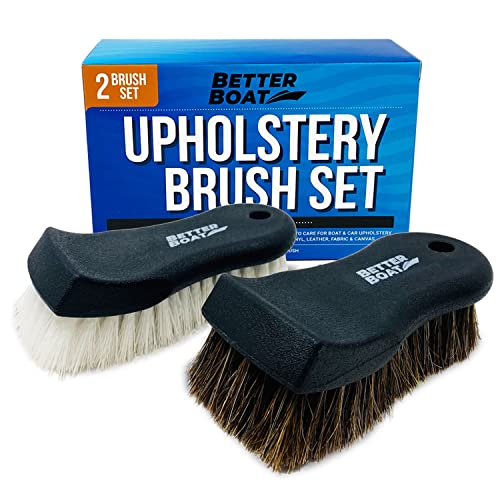
Before You Start
Clear the area and protect nearby flooring with a sheet or towel. Blot, do not rub, to avoid embedding the stain deeper. Test cleaners in an inconspicuous spot and wait 24 hours for colorfastness. Consider using two rounds: the first to neutralize odors, the second to lift any remaining marks. Warning: Avoid ammonia-based cleaners and bleach, which can damage microfiber fibers and alter color. If the stain has penetrated padding, more advanced steps may be needed.
Step-By-Step: How To Clean Urine From Microfiber Couch
- Blot the area with a clean cloth to absorb as much liquid as possible. Do not rub, as this spreads the stain.
- Apply a small amount of enzyme upholstery cleaner for microfiber urine stains to the affected area. Let it sit per product instructions to break down organic materials.
- Gently dab with a microfiber stain removing towel or soft cloth to lift loosened residue.
- Spritz a microfiber couch urine stain remover spray along the stain and work from the outside inward to prevent spreading.
- Use a soft microfiber cleaning brush in gentle, circular motions to loosen embedded fibers without creating abrasion.
- Rinse the treated area with a damp cloth or microfiber towel, removing cleaning residue while still damp.
- Apply a gel-based stain remover for stubborn spots, following the product directions. Allow to dry partially, then blot again.
- Allow the cushion to air dry completely. If possible, use a fan or dehumidifier to speed up drying and reduce odor.
- Lightly brush the fabric once dry to restore texture and lift fibers.
- Inspect for any remaining stain or odor. If needed, repeat steps 2–9 on the affected area.
- Vacuum the area with a clean upholstery attachment to remove any loose particles and restore uniform appearance.
- For persistent odors, repeat with a dedicated enzyme cleaner or a second pass using the spray against airflow direction to ensure complete coverage.
Troubleshooting
| Symptom | Likely Cause | Fix | Prevention |
|---|---|---|---|
| Faint stain remains after cleaning | Residue or protein still embedded | Repeat cleaning with enzyme cleaner and rinse thoroughly | Address spills immediately; blot and apply enzyme cleaner early |
| Persistent odor | Odor-causing compounds penetrated padding | Use enzyme-based cleaner in multiple passes; consider professional cleaning | Ventilate area; use odor absorbers after drying |
| Fabric color fading or darkening | Harsh cleaner or over-wetting | Rinse well and blot; test next to inconspicuous area first | Follow label directions; use minimal moisture |
| Streaks after cleaning | Uneven application | Reapply lightly and brush with a microfiber brush | Work in small sections for even coverage |
Common Mistakes
- Rubbing or scrubbing vigorously, which damages microfiber fibers
- Using harsh cleaners that discolor or weaken fabric
- Over-wetting the couch, leading to mildew or padding damage
- Skipping a test in a hidden area, risking color loss
Tips For Best Results
- Work from the outside of the stain toward the center to contain it.
- Enzyme cleaners are often most effective for organic stains like urine; use them as the primary treatment.
- Always blot and avoid scrubbing to preserve microfiber texture.
- Drying speed matters: faster air circulation reduces odor retention and helps restore fabric feel.
- Prioritize odor neutralization along with stain removal for a fresh result.
Call A Professional
Seek professional upholstery cleaning if the stain is large, the odor persists after multiple at-home attempts, or if improvising cleaning might risk fabric damage. Call a pro when the couch’s cushions are heavily saturated, when padding or foam shows waterlogging, or if color loss is evident despite following steps.
FAQ
Can I use bleach on microfiber to remove urine?
No. Bleach can damage microfiber fibers and cause discoloration. Use enzyme cleaners and microfiber-safe products instead.
Is it important to dry the couch completely after cleaning?
Yes. Thorough drying prevents mold growth and helps restore fabric texture.
What if the stain reappears after a few days?
Re-treat the area with an enzyme cleaner and consider a second cleaning pass for complete removal.
Are there any homemade cleaners I should avoid?
Avoid ammonia-based cleaners and vinegar on microfiber, as they may degrade fibers and affect color.
Buying Guide
When choosing products for cleaning urine from microfiber couches, consider several factors to get the best results and avoid damage. This guide highlights key buying factors and practical comparison perspectives to help American households select reliable tools and cleaners.
Size and Coverage
Look for spray bottles and gel cleaners with practical sizes for spot cleaning and occasional maintenance. A kit that includes towels and a brush offers convenient, all-in-one usage without multiple trips to the store.
Noise Level and Handling
While most cleaners are quiet, a compact, easy-to-use brush or cleaning kit reduces effort and time. Choose products that feel comfortable to handle during extended cleaning sessions.
Energy Efficiency and Cleaning Efficacy
Most upholstery cleaners do not require power, but devices with built-in brushes or battery-powered sprayers can enhance ease of use. Prioritize products proven to lift urine stains and neutralize odors for microfiber.
Controls and Simplicity
Simple spray controls and clear instructions help prevent over-application. A kit with pre-measured steps reduces guesswork and improves consistency across cleanings.
Placement and Accessibility
Choose cleaners that work well on furniture with varied layouts. A compact kit is easier to maneuver around tight spaces, while smaller spray bottles are handy for spot-cleaning upholstery on couches with tight seams.
Considering these factors, end users can compare enzyme upholstery cleaners for microfiber urine stains, stain remover gels for microfiber couches, and complete upholstery cleaning kits that include towels and brushes. The goal is reliable stain removal paired with fabric safety, odor control, and minimal disruption to daily living.