Upholstered bed frames add comfort and style, but their fabric surfaces can attract dust, stains, and odors. With common household tools and a few protective techniques, keeping a bed frame clean and fresh is doable without professional equipment.
Quick Answer
Lightly vacuum the fabric to remove surface dust, then use a handheld or upright vacuum cleaner with an upholstery attachment. For deeper cleaning, apply a fabric-safe cleaner or a steam-cleaning method, followed by a fabric protector spray to reduce future staining.
What You’ll Need
- Upright vacuum cleaner with upholstery attachment
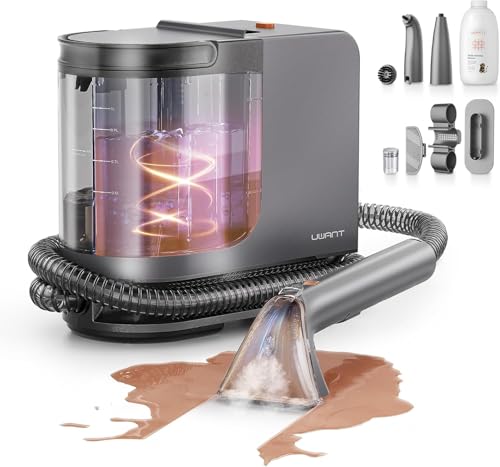
- Portable fabric steamer for upholstery cleaning
- Carpet and upholstery stain remover spray for fabric beds
- Fabric protector spray for upholstered furniture
- Handheld steam cleaner for fabric upholstery


Before You Start
Assess the fabric type of the headboard and frame to choose safe cleaning methods. Test any cleaner in an inconspicuous area and follow label directions. Prepare the area by removing pillows, bedding, and nearby items to prevent moisture transfer and protect floors. Avoid soaking the fabric to prevent mold and warping. Time estimates vary by method, typically 20–60 minutes for setup, cleaning, and drying.
Step-By-Step: How To Clean An Upholstered Bed Frame
- Remove all bedding and decorative cushions. Place a protective cover on the mattress and nearby surfaces to catch debris.
- Vacuum the entire frame with an upright vacuum cleaner using the upholstery attachment. Focus on seams, tufts, and edges where dust gathers.
- For stubborn spots, lightly mist a carpet and upholstery stain remover spray as directed, then blot with a clean cloth. Work from the outside of the stain toward the center to prevent spreading.
- If deeper cleaning is needed, use a handheld steam cleaner for fabric upholstery. Pass the nozzle slowly over the fabric, keeping a comfortable distance to avoid saturating the material.
- For fabrics that tolerate moisture, a portable fabric steamer can help release wrinkles and refresh the surface. Move in smooth, steady motions and avoid staying in one spot too long.
- Allow the fabric to air-dry completely before reassembling bedding. Use a fan or open windows if possible to speed up drying time.
- Apply a fabric protector spray once the surface is dry. This creates a barrier against future spills and dirt without changing the fabric’s feel or color.
- Replace pillows and bedding, then inspect the frame for any remaining spots. Repeat the cleaning process on any stubborn areas if necessary.
- Schedule routine maintenance—vacuum monthly and spot-clean as needed—to maintain a fresh appearance and reduce buildup.
- Store cleaning tools in a dry, accessible place so they’re ready for the next cleaning cycle.
- Document any fabric sensitivities with the manufacturer’s care label to avoid damage from cleaners or steam.
- After cleaning, check for residual odors and, if present, perform a quick airing-out or add a deodorizing spray designed for fabrics.
Troubleshooting
| Symptom | Likely Cause | Fix | Prevention |
|---|---|---|---|
| Stains reappearing after cleaning | Improper blotting or deep-set stains | Re-treat with stain remover, blot from outside in, and avoid rubbing | Address spills promptly; use fabric protector |
| Fabric feels stiff after cleaning | Excess cleaner or incomplete drying | Rinse lightly if safe for fabric; increase airflow to dry | Test cleaner in a hidden area first |
| Water spots or halos | Moisture pooling on large flat surfaces | Use minimal moisture and dry with a fan | Work in sections and allow thorough drying |
| Odors persist | Stored moisture or mildew risk | Ventilate thoroughly and consider a fabric-safe deodorizer | Keep area dry and clean between cleanings |
Common Mistakes To Avoid
- Over-wetting fabric, which can cause warping or mold
- Using harsh cleaners not labeled for upholstery
- Neglecting to test cleaners on a hidden area
- Rubbing hard, which can fray or dull the fabric
- Forgetting to dry thoroughly before reassembling bedding
Tips For Best Results
- Always vacuum before any liquid cleaning to remove loose debris.
- Use the lowest effective moisture method to protect the frame’s structure.
- Work from top to bottom to prevent re-soiling from higher areas.
- Keep cleaners labeled for upholstery and fabrics compatible with the bed frame material.
- Coordinate cleaning with a dry day to improve air drying times.
Call A Professional
Consider contacting a professional if the fabric is delicate, highly stained, or if the bed frame features complex upholstery or antique materials. Stop cleaning and seek expert help if you notice color bleeding, fabric pilling, or swelling in the frame components.
FAQ
Can I use a steam cleaner on all fabric bed frames?
Most fabrics tolerate controlled steam, but always check the care label and test a hidden area first.
How often should I clean an upholstered bed frame?
A light vacuum and spot-clean as needed, with a deeper clean every 6–12 months depending on usage.
Is fabric protector spray safe for children and pets?
Choose a fabric protector labeled for household use and follow manufacturer instructions; keep away from skin and pets during application.
What’s the best order for cleaning a bed frame?
Vacuum first, treat stains, steam or wipe as appropriate, then protect and dry completely before reassembling.
Do I need to remove the headboard to clean it?
Not necessarily if you can access all fabric surfaces safely; otherwise detach carefully per manufacturer guidelines.
Buying Guide
When selecting tools for cleaning upholstered bed frames, consider size, noise, energy efficiency, and ease of use. A compact upright vacuum with an upholstery attachment offers quick daily maintenance, while a handheld or portable steamer provides deeper cleaning without soaking. Look for multi-surface cleaners that are safe for fabric beds and compatible with your fabric type. A fabric protector spray can extend cleaning intervals by repelling future spills. For larger homes or frequent cleanings, a lightweight, low-noise unit is ideal for late-night refreshes without disturbing sleepers. Finally, assess ease of refilling and storage options to keep your cleaning routine simple and reliable.