Keeping underarms clean is a daily hygiene task that supports skin health and overall freshness. This guide explains practical methods, safe tools, and step-by-step actions to clean the underarm area without irritation. It covers gentle exfoliation, proper cleansing techniques, and how to select the right tools for different skin types.
Whether you have sensitive skin or a preference for specific grooming tools, this article offers a balanced, evidence-based approach suitable for most American households. Readers will find actionable steps, common pitfalls to avoid, and troubleshooting tips to sustain healthy underarm skin.
Quick Answer
Clean underarms with a mild cleanser, gentle exfoliation 1–3 times per week, and a soft brush or glove suitable for sensitive skin. Rinse well, pat dry, and moisturize to maintain skin barrier health. Use a tool only as directed by its manufacturers and avoid harsh scrubbing.
A Quick List Of Tools And Materials
Below are common tools and materials used for underarm cleansing. The selection emphasizes gentle options that reduce irritation while improving cleanliness and skin texture.
- Exfoliating body brush for underarms
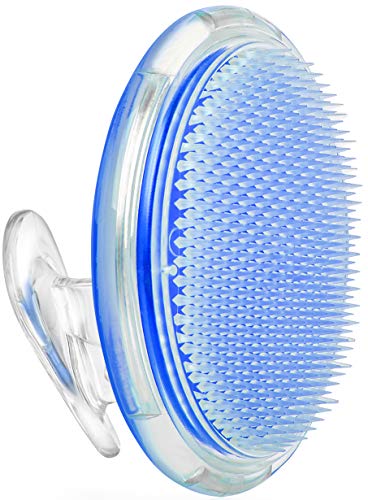
- Silicone underarm cleansing brush
- Underarm exfoliating glove for sensitive skin
- Loofah mitt for underarm exfoliation
- Antibacterial underarm scrub brush


Before You Start
Before beginning, consider your skin type and any sensitivities. Perform a patch test with new tools or products on a small area to check for irritation. Use lukewarm water, not hot, to avoid drying the skin. Plan a routine that aligns with your daily schedule and ensures you don’t over-exfoliate, which can compromise the skin barrier. Time estimate for a routine session: 5–15 minutes.
Critical cautions: Avoid applying harsh scrubs or products containing irritants like alcohol or strong fragrances directly to the underarm skin. If you have open wounds, rashes, or a history of dermatitis in the area, consult a dermatologist before starting exfoliation or using new tools.
Step-By-Step: How To Clean Underarms Safely
- Prepare the skin with lukewarm water to open pores and soften debris.
- Apply a mild cleanser formulated for sensitive skin to the underarm area.
- Gently massage the cleanser using your chosen tool, moving in small circular motions.
- Use a soft exfoliating tool (such as the silicone underarm cleansing brush) for 30–60 seconds, focusing on accumulation near folds and hair follicles.
- Rinse thoroughly with cool to lukewarm water to close pores and remove all residue.
- Pat the area dry with a clean towel; avoid rubbing to prevent irritation.
- Apply a light, fragrance-free moisturizer or skin barrier cream to support moisture retention.
- If exfoliating, limit sessions to 1–3 times per week and monitor for irritation.
- Clean and dry the tool after each use to prevent bacterial buildup.
- Store tools in a clean, dry place to maintain hygiene and longevity.
- Adjust frequency based on skin response and activity level; increase care after shaving or waxing with caution.
- Review your routine every few weeks to ensure it remains comfortable and effective.
Troubleshooting
| Symptom | Likely Cause | Fix | Prevention |
|---|---|---|---|
| Redness after exfoliation | Over-exfoliation or too harsh tool | Reduce frequency; switch to a softer tool | Stick to gentle motions and patch-test new tools |
| Dry, flaky skin | Lack of moisture or harsh cleansers | Use a fragrance-free cleanser and apply moisturizer | Choose products labeled for sensitive skin |
| Itching or irritation | Allergic reaction to product or material | Painful or persistent symptoms warrant stopping use and consulting a clinician | Test new products on a small area first |
| Persistent odor after cleansing | Residual bacteria or sweat glands | Ensure thorough rinse and consider antibacterial scrub options | Maintain daily hygiene and replace worn-out tools |
Common Mistakes To Avoid
- Over-scrubbing the underarm area, especially with abrasive tools.
- Using hot water or harsh soaps that strip moisture from the skin.
- Rubbing tools aggressively, which can cause micro-tears.
- Neglecting to dry tools properly, which may promote bacteria.
- Sharing exfoliation tools, which can spread bacteria or skin conditions.
Tips For Best Results
- Choose tools designed for gentle exfoliation, such as a silicone cleansing brush or a soft exfoliating glove.
- Pair cleansing with a fragrance-free moisturizer to support skin resilience.
- Incorporate exfoliation on non-consecutive days to avoid irritation.
- Keep nails short and use light pressure to minimize skin trauma.
- Rinse tools thoroughly after use and air-dry before storage.
Call A Professional
If redness, persistent itching, or swelling occurs despite adjustments, seek advice from a dermatologist. Stop using new tools for a period to identify triggers. Seek medical attention promptly if there is severe pain, pus, or signs of infection around the underarm area.
FAQ
How often should I exfoliate my underarms?
Most people benefit from exfoliating 1–3 times per week, depending on skin sensitivity and activity level.
What tools are best for sensitive skin?
Gentle options like silicone brushes or soft exfoliating gloves are commonly well-tolerated on sensitive skin.
Can I shave or wax the underarms while following this routine?
Yes, but take extra care to avoid irritation. Do not exfoliate immediately after shaving; wait until the skin has calmed.
What should I do if I notice a rash after using a tool?
Discontinue use, rinse the area with water, and consult a clinician if the rash persists or worsens.
Buying Guide
When selecting tools for underarm cleansing, consider key factors to ensure comfort and effectiveness. The right choice depends on your skin type, sensitivity, and lifestyle. Below are essential buying considerations to compare across options.
Size And Shape
Choose a tool that fits comfortably in your hand and reaches underarm contours without requiring hard stretching. Ergonomic designs reduce grip fatigue and improve control during application.
Material And Feel
silicone brushes offer easy cleaning and gentle contact with skin, while soft fabric gloves or loofah mitts provide varied textures. Avoid fabric blends that shed fibers into the skin.
Exfoliation Level
For sensitive skin, opt for mild textures and lower exfoliation intensity. For normal skin, a slightly firmer texture can help manage buildup without irritation.
Cleanliness And Maintenance
Tools should be easy to clean and quick to dry. Materials that resist bacteria buildup, such as silicone, are preferred for daily use.
Durability And Longevity
Look for reinforced edges, stitching, and durable handles. A longer-lasting tool reduces recurring purchases and waste.
Allergens And Fragrance
Choose fragrance-free options if you have sensitive skin or a history of irritation. Check for hypoallergenic labeling when available.
Compatibility With Cleansers
Verify that the tool is compatible with your preferred cleansers. Some tools perform best with mild cleansers and should not be used with harsh soaps.
Maintenance Routine
Plan a simple cleaning routine for your tools after each use. Dry thoroughly and store in a clean location to prevent mold and bacteria growth.