Thrifted leather items often carry a unique patina and character, but they require careful cleaning to preserve their look and longevity. This guide walks American readers through safe, practical steps to refresh vintage and thrifted leather without damaging the material.
By following evidence-based methods and using the right tools, you can clean leather items such as jackets, bags, and saddles while maintaining their natural feel. The approach below emphasizes gentle cleaning, conditioning, and routine maintenance to extend the life of thrifted pieces.
Quick Answer
Start with a mild leather cleaner, then condition. For distressed or buckskin finishes, use a conditioner designed for that texture. Always test a hidden area first, apply sparingly, and avoid soaking the leather. Finish with a soft brush or cloth to restore even tone and luster.
What You’ll Need
Gather these tools and products designed for leather care. They cover general cleaning, conditioning, and protection for thrifted pieces.
- Vintage leather cleaning kit saddle soap and conditioner
- Leather conditioner kit for distressed/thrifted leather
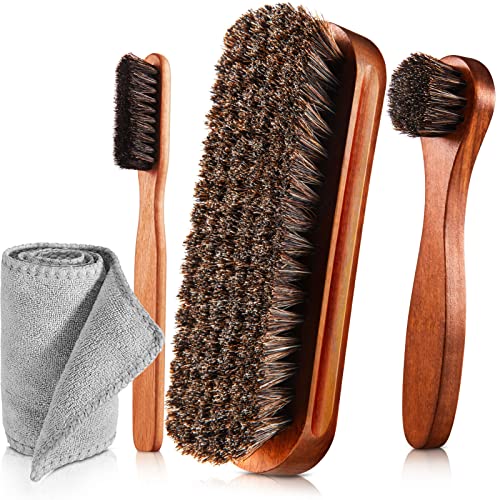
- Suede and nubuck cleaning brush kit for vintage jackets
- Leather cleaner and conditioner duo for buckskin leather
- Patina leather care set leather cleaner brush and conditioner


Before You Start
Assess the leather item for signs of damage such as cracks, severe stiffness, or color loss. Test any product in an inconspicuous area before full application. Work in a well-ventilated area and avoid direct sunlight to prevent fading. Time estimate: 30–90 minutes per item, depending on size and condition. Important cautions: do not over-wet leather, avoid household cleaners, and never use heat to dry it quickly as this can cause cracking.
Step-By-Step: How To Clean Thrifted Leather
- Inspect the item for stains, mold, or strong odors. Note areas that look worn or dry.
- Remove surface dust with a dry, soft cloth or brush. For suede or nubuck, use a dedicated suede brush to lift nap gently.
- Prepare a mild cleaning solution using a vintage leather cleaning kit saddle soap and conditioner or a dedicated leather cleaner and conditioner duo for buckskin leather, following label directions.
- Test the cleaner on a hidden area. If no adverse reaction occurs after 5–10 minutes, proceed to the main cleaning.
- Apply the cleaner sparingly to a microfiber cloth and wipe in circular motions, focusing on soiled spots. Avoid saturating the leather.
- Wipe away any residue with a clean, slightly damp cloth. Let the item air-dry away from heat sources.
- Condition the leather with a compatible conditioner—prefer a product designed for distressed or thrifted finishes to maintain patina.
- Work conditioner into the surface using a soft cloth, then allow it to absorb for several minutes before wiping off excess.
- For buckskin or patina finishes, apply a light layer and rub gently to preserve color variation. Avoid heavy-handed blending that can erase natural markings.
- Reassess the item after conditioning. If needed, repeat light conditioning on very dry areas or add another thin application to even out moisture.
- Buff the surface with a clean, dry cloth to restore sheen and color balance. Store the item in a breathable cover to prevent dryness or moisture buildup.
- Regular care cadence: clean only as needed, then condition every few months or as the leather shows signs of dryness.
Troubleshooting
| Symptom | Likely Cause | Fix | Prevention |
|---|---|---|---|
| Streaks after cleaning | Excess cleaner or uneven application | Wipe evenly with a clean cloth; re-apply a small amount | Test in hidden area; use minimal product |
| Leather feels sticky | Leftover conditioner or moisture | Lightly buff with dry cloth until residue disappears | Work in a well-ventilated area; use sparing amounts |
| Dry, cracking finish | Over-cleaning or harsh products | Switch to a gentler conditioner; limit cleaning frequency | Condition regularly to maintain suppleness |
| Color unevenness | Inconsistent product absorption | Apply thin coats and blend evenly with cloth | Test first; use products suited for distressed surfaces |
| Odor remains | Mold or trapped moisture | Air out in a ventilated area; consider a deodorizing leather-safe spray | Keep storage dry; avoid damp basements |
Common Mistakes
- Using regular household cleaners on leather
- Over-wetting the material, which can stretch or warp it
- Ignoring test patches, risking color loss or staining
- Overconditioning, leading to a greasy surface or attract dust
Tips For Best Results
- Always test any product on a hidden area first to avoid visible damage.
- Use a two-step approach: clean, then condition, and finish with a light buff.
- Choose products formulated for vintage, distressed, or patina finishes to preserve character.
- Store leather in a cool, dry place and use breathable covers to prevent moisture buildup.
Call A Professional
Seek professional help if the item shows deep cracks, significant color loss, or mold growth that does not respond to initial cleaning. Stop work if you notice dye transfer to fabrics or if the leather stiffens unexpectedly. A specialist can assess structural integrity and may offer restoration or reconditioning services that preserve value.
FAQ
Can I clean thrifted leather without taking it to a shop?
Yes, many thrifted pieces respond well to at-home cleaning with the right products and gentle techniques.
What should I avoid when cleaning vintage leather?
Avoid harsh chemicals, soaking leather, or heat sources that can dry or crack the material.
How often should thrifted leather be conditioned?
Condition every few months for dry or older leather, more frequently if the item looks thirsty or dry to the touch.
Is patina preserved during cleaning?
Yes, when using appropriate products for patina finishes and applying light, even layers of conditioner, patina is typically preserved.
Buying Guide
The Buying Guide covers key factors to consider when selecting cleaning and conditioning products for thrifted leather, including size, noise level, energy efficiency, controls, and placement. Readers should evaluate how often the item will be cleaned, the leather type (buckskin, distressed, suede, nubuck), and whether the care routine should emphasize deep cleaning or light maintenance. Compare products that explicitly advertise compatibility with vintage or patina finishes to ensure color stability. Consider bundles that pair a cleaner with a conditioner to simplify usage and maintain consistency across treatments. For storage and usage, choose products with clear instructions for indoor use and surface-safe packaging.