The teflon-coated grill grates offer easy cleanup and better cooking performance when they are cared for properly. This guide walks American homeowners through a safe, practical cleaning routine that preserves non-stick surfaces and extends the life of grills with teflon coatings. Readers will find step-by-step instructions, recommended tools, and practical tips tailored for household grills commonly used in backyards and apartments.
Quick Answer
Use non-abrasive tools and gentle cleaners specifically designed for non-stick surfaces. Avoid harsh scrubbers, metal brushes, and extremely hot water on cool surfaces. Clean after each use to prevent built-up grease from damaging the non-stick layer. Always rinse thoroughly and dry to prevent rust and residue buildup.
What You’ll Need
- non-abrasive nylon grill brush for non-stick grates
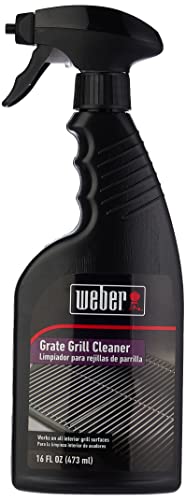
- teflon-safe grill cleaner spray 16 oz non-stick coating
- nylon bristle grill brush for non-stick grills
- barbecue grill degreaser spray non-stick safe
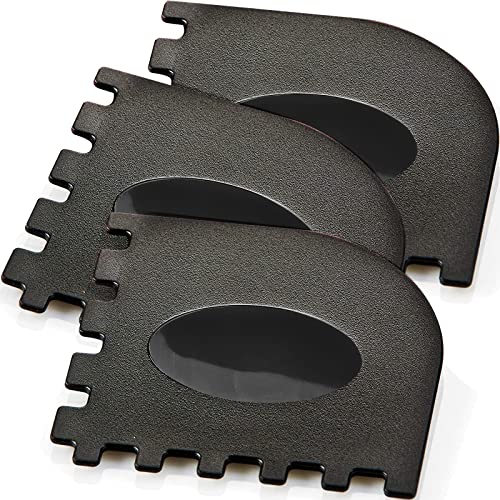
- non-stick grill grate scraper plastic scraper for teflon

Before You Start
Before cleaning, ensure the grill is completely cooled and the propane or gas supply is off. Remove all grates and metal plates if possible. Work in a well-ventilated area and wear eye protection if splashes are likely. For safety, never use abrasive pads or metal utensils on teflon-coated surfaces, as they can scratch the coating and shorten grill life.
Time estimates vary by grill size and grease buildup, typically about 20–40 minutes for routine maintenance. If the grates are heavily soiled, plan for extra time and consider a deeper clean on a separate day to avoid rushing the process. Always inspect grates for wear or flaking teflon, and address issues before cooking next time.
Critical cautions: avoid using bleach, acetone, or ammonia on teflon coatings, which can degrade the surface. Do not attempt to scrape with metal tools. Keep cleaners away from heat sources until fully rinsed.
Step-By-Step: How To Clean Teflon Grill
- Remove the grates and any removable plates from the grill and place them on a stable surface.
- Wipe loose debris with a dry, non-abrasive nylon brush to avoid scratching the teflon during initial cleaning.
- Spray a teflon-safe grill cleaner spray onto the grates, focusing on grease-heavy areas. Let it sit for 1–2 minutes to break down stubborn buildup.
- Gently scrub using a nylon bristle grill brush for non-stick grills, applying light pressure in small circular motions. Avoid metal brushes and harsh pads.
- For stubborn spots, use a non-stick grill grate scraper plastic scraper for teflon to lift residues without scratching.
- Rinse with warm water or wipe with a damp cloth to remove cleaner and loosened grease. Repeat as needed until surfaces are clean and free of residue.
- Dry grates completely with a clean towel to prevent water spots and rust on metal components.
- Reassemble the grill and perform a light pre-seasoning burn if your grill’s manual recommends it, then wipe again after the first few uses to maintain a pristine surface.
- Schedule regular cleanings after each use to maintain non-stick performance and reduce heavy buildup over time.
- If heavy grease remains, consider a dedicated degreaser spray non-stick safe before the next cleaning cycle, following label instructions.
- Finish with a quick wipe-down of the exterior surfaces to keep the overall unit looking clean and ready for use.
- Store tools and cleaners out of reach of children and pets when not in use.
Troubleshooting
| Symptom | Likely Cause | Fix | Prevention |
|---|---|---|---|
| Grate coatings appear dull or scratched | Abrasive tools used or harsh cleaners | Switch to non-abrasive nylon brushes and teflon-safe cleaners | Clean with appropriate brushes and follow manufacturer guidance |
| Grease buildup remains after cleaning | Grease baked-on from high heat | Apply teflon-safe degreaser spray and soak briefly if the grill design allows | Clean promptly after use to avoid hardening |
| Cleaner residue on grates after rinse | Insufficient rinsing | Rinse again with warm water and wipe dry completely | Rinse until no cleaner smell or film remains |
| Non-stick coating peels or flakes | Worn coating or abrasive actions | Cease using affected grates and consult manufacturer guidance | Regular gentle cleaning to prevent deterioration |
Common Mistakes
- Using metal brushes or steel wool on teflon-coated grates, which scratches the coating.
- Applying high heat cleaners that are not labeled for non-stick surfaces.
- Washing grates while hot, which can warp or damage coatings and lead to burns.
- Rushing the rinse and leaving cleaner residue that attracts more grime.
Tips For Best Results
- Clean grills after each use to prevent baked-on grease from forming hard layers.
- Keep a dedicated teflon-safe cleaner spray on hand for quick maintenance cycles.
- Store brushes with soft bristles to avoid nibbling at the coating during cleaning.
- Check manufacturer guidelines for any teflon-specific maintenance tips or restrictions.
Call A Professional
Contact a professional if the teflon coating appears significantly damaged, peeled, or if cleaning requires chemical approaches beyond consumer products. Stop using the grill if you notice flaking, strong off-odors, or visible wear that cannot be safely addressed with standard cleaners.
FAQ
Can I use dish soap to clean teflon grill grates?
Yes, a mild dish soap with warm water is acceptable for routine cleaning when combined with non-abrasive brushes.
Is it safe to use a spray degreaser on teflon grill grates?
Yes, only if the degreaser is labeled non-stick safe and suited for teflon coatings.
How often should I clean teflon-coated grates?
Clean after each use or at least weekly during heavy grilling periods to prevent buildup.
What should I avoid touching teflon coatings with?
Avoid metal brushes, abrasive pads, and harsh chemical solvents that can damage the coating.
Do teflon grills need seasoning like cast iron?
Most teflon-coated grills do not require seasoning, but a light wipe with a non-stick safe oil can help maintain performance if your grill manual suggests it.
Will cleaning restore a worn teflon surface?
Cleaning alone cannot repair a worn coating; consult the manufacturer for repair or replacement options.
Should I preheat the grill after cleaning?
Yes, perform a brief burn-off or light cook to ensure any lingering cleaner has dissipated before cooking food.
Buying Guide
When shopping for teflon-safe grill care products, consider size and compatibility with your grill model. Look for products explicitly labeled for non-stick coatings and teflon surfaces. Noise level is generally not a concern for cleaners, but user-friendliness matters: spray bottles with a controlled spray nozzle or foam applicators can improve coverage and reduce waste. Energy efficiency is less relevant for cleaners, but choosing a spray that minimizes chemical usage is environmentally friendly.
Controls should be simple: a spray, a brush, and a plastic scraper that are clearly marked as safe for teflon surfaces. Placement of cleaners should be convenient for quick access, ideally near the grill or in a garage cabinet. Compare kit options that include multiple tools to cover different cleaning stages, from initial grease removal to finishing touch-ups. Consider storage requirements and ensure the tools fit comfortably in your grill cleaning routine.
Questions to ask before buying: Will the kit work on various grill sizes and brands? Are the brushes soft enough for teflon? Is the spray fragrance-free or labeled for sensitive households? What is the return policy if the product causes coating wear?
Overall, a balanced set that pairs a teflon-safe grill cleaner spray with non-abrasive nylon brushes and a plastic scraper typically delivers safe, effective maintenance while preserving non-stick performance. Regular use of these tools helps prevent heavy buildup and keeps teflon grates performing at their best.