Tea kettles accumulate mineral buildup, stains, and odors over time, especially in hard water areas. Regular cleaning helps maintain performance, extends longevity, and keeps your hot beverages tasting fresh. This guide focuses on safe, effective methods for both electric and stovetop kettles, using common cleaning tools and products found in American households.
Quick Answer
Best general approach: use a descaler designed for kettles or a gentle descaling powder, combine with a soft brush or sponge, and rinse thoroughly. For stubborn mineral deposits, repeat the process or use a citric acid solution. Always dry the kettle completely before storage.
What You’ll Need
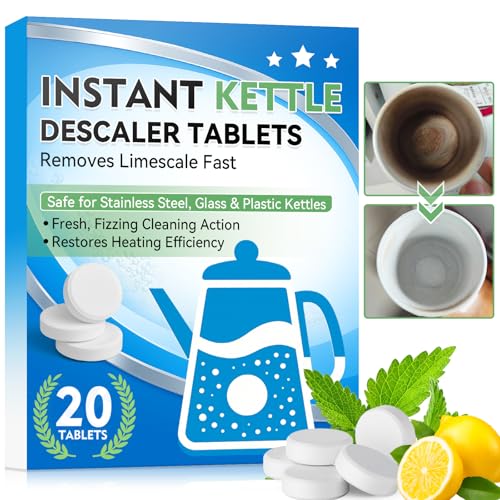
- Electric kettle descaler tablets mineral buildup
- Stainless steel kettle descaler powder kit
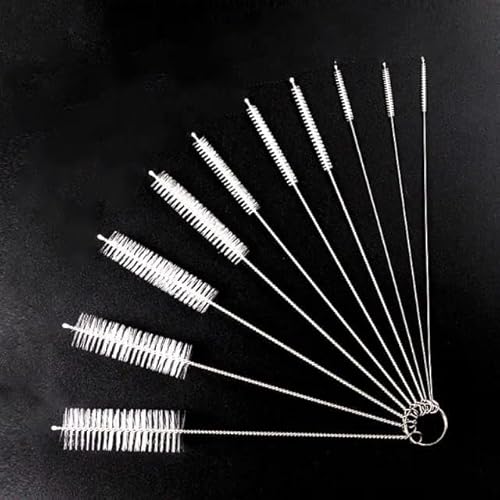
- Kettle cleaning brush nylon bristle
- Electric kettle cleaning kit
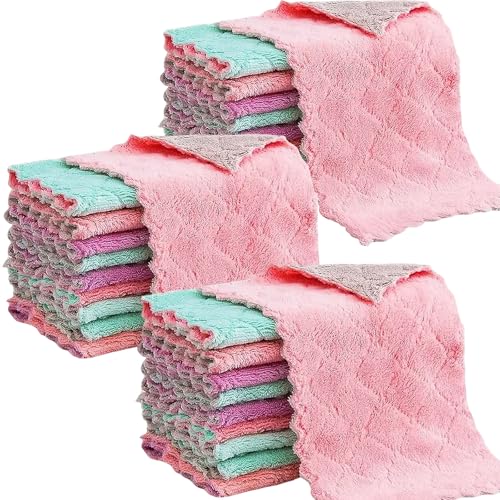
- Microfiber cloth for kettle cleaning
Before You Start
Safety first: unplug electric kettles and ensure they are cool before cleaning. For stovetop kettles, remove the kettle from the stove and allow it to cool before starting. Prepare a well-ventilated area to avoid inhaling any fumes from descaling agents. Typical cleaning time ranges from 15 to 30 minutes for a full cycle, plus extra time for stubborn deposits. Do not use abrasive scrubbers on stainless steel finishes, as they can scratch the surface.
Step-By-Step: How To Clean A Tea Kettle
- Empty the kettle and rinse it with warm water to remove loose debris.
- Fill with water to about 1–2 inches below the max line. Add a descaler product appropriate for kettles (tablet or powder) following the package directions.
- Place the kettle on the stove or plug in the electric model, and bring the solution to a gentle boil. Let it simmer for 5–10 minutes to dissolve mineral buildup.
- Allow the solution to sit for another 15 minutes off the heat, then drain completely. Rinse thoroughly with clean water to remove any residue.
- Use a kettle cleaning brush nylon bristle to gently scrub the interior surfaces where mineral deposits cling. Avoid harsh scrubbing on coatings or decals.
- Rinse again with fresh water several times to ensure all cleaning agents are removed. If any odor remains, repeat a shorter cycle with fresh water.
- For stubborn scaling, repeat the descaling cycle or switch to a stainless steel kettle descaler powder kit and follow the troubleshooting steps on the product.
- Wipe the exterior with a microfiber cloth for kettle cleaning to remove fingerprints and water spots. Dry with a clean towel.
- Boil a final pot of clean water, discard, and dry the kettle completely before storing.
- Regular maintenance: perform a light rinse weekly if you use hard water, and a full descaling cycle every 1–3 months depending on mineral content.
- Store the kettle with the lid loosely closed to allow air circulation and prevent odors from forming inside the beak or lid mechanism.
Troubleshooting
| Symptom | Likely Cause | Fix | Prevention |
|---|---|---|---|
| Kettle still tastes off after cleaning | Residual cleaner or mineral buildup | Repeat cleaning cycle with fresh water; run an extra boil and rinse | Clean monthly with appropriate descaler |
| Streaks or water spots on exterior | Residue from cleaning agents | Wipe with microfiber cloth dampened with water, then dry | Use soft cloth; avoid abrasive pads |
| Weak or uneven heating | Deposits inside heating element area | Perform thorough descaling until deposits are dissolved | Regular maintenance to prevent buildup |
| Interior scratches or discoloration | Rough brushing or abrasive cleaners | Switch to nylon bristle brush; avoid metal scrapers | Use proper tools and gentle scrubbing |
Common Mistakes
- Using hard abrasives on the kettle’s interior or exterior
- Using bleach or ammonia-based cleaners inside kettles
- Overfilling with descaler solutions beyond the recommended level
- Rinsing infrequently, leaving cleaning agents behind
- Storing the kettle while still damp, which can cause odors
Tips For Best Results
- Choose a descaler product labeled specifically for kettles to avoid damaging coatings.
- Alternate between descaling and seasoning the kettle with plain water to prevent taste transfer.
- For hard water users, consider sealing the interior with a light vinegar rinse once every few cycles, followed by a thorough rinse (if manufacturer-approved).
- Always dry the kettle completely after cleaning to prevent corrosion or mildew.
- Keep a dedicated electric kettle cleaning kit stocked for quick maintenance.
Call A Professional
Seek professional help if the kettle shows persistent leaks, unusual noises during heating, or if the interior coating is flaking. Do not attempt internal repairs beyond standard cleaning. If the unit is still under warranty and cleaning does not resolve the issue, contact manufacturer support before proceeding with any disassembly.
FAQ
Can I use regular vinegar to descale my kettle?
Vinegar can work, but it may leave a lingering odor. If used, rinse thoroughly and boil fresh water several times to remove any vinegar taste.
How often should I descale my kettle?
Most users with hard water benefit from descaling every 1–3 months, or as soon as mineral buildup becomes visible.
Is it safe to use a scrub brush on the interior?
Yes, a nylon-bristle brush is typically safe for most kettles, but avoid aggressive scrubbing that might scratch coatings.
Can I use descaler tablets in a stovetop kettle?
Descaling tablets are designed for kettles; check product instructions to ensure compatibility with your model.
What’s the best exterior cleaner for stainless steel kettles?
Use a microfiber cloth with water or a mild, non-abrasive cleaner to avoid scratches and streaks.
Should I dry the kettle after cleaning?
Yes, dry thoroughly to prevent mineral residue and odors.
What if the kettle is still cloudy after cleaning?
Repeat the cleaning cycle or try a different descaler product recommended for kettles.
Is professional service necessary for electric kettles?
Only if there are electrical or heating issues beyond routine cleaning.
Buying Guide
When choosing kettle-cleaning supplies and a cleaning routine, consider the following factors to optimize performance and maintenance life:
- Size and capacity: Larger kettles may require more cleaning solution and longer cycles; select products that scale to your kettle’s capacity.
- Descaler type: Tablets offer convenient dosing; powders can be effective for stubborn buildup. Ensure compatibility with your kettle material (stainless steel, plastic, or coated surfaces).
- Cleaning tools: A kettle cleaning brush nylon bristle is ideal for interior scrubbing, while a microfiber cloth for kettle cleaning handles exterior polishing without scratching.
- Nozzle and spout care: Pay attention to the spout and lid seals; buildup can affect pouring and heat efficiency.
- Frequency of maintenance: Hard water requires more frequent descaling; softer water may reduce cleaning frequency.
- Energy and efficiency: Choose descalers and kits that minimize chemical exposure and environmental impact.
- Placement: Store cleaning supplies in a dry, cool area away from heat sources to preserve effectiveness.
- Safety and compatibility: Always follow product instructions, and avoid mixing cleaners with bleach or ammonia.
By following these guidelines, American users can maintain clean, efficient kettles and enjoy better-tasting tea and hot beverages. Want to streamline maintenance? A dedicated electric kettle cleaning kit paired with the right descaler can simplify routine care and prolong kettle life.