Stuffed animals bring comfort to children and adults alike, but regular cleaning is essential to remove dirt, odors, and allergens. This guide outlines practical, safe methods to freshen plush toys using common household tools and lightly specialized supplies. Readers will learn a step-by-step approach that protects fabric and stitching while restoring fluff and color.
Following best practices helps extend the life of plush companions. By choosing gentle techniques and appropriate cleaners, owners can maintain hygiene without risking fiber damage or loose seams. The methods here are suitable for most soft toys, from teddy bears to whimsical plush characters.
Quick Answer
Best first step: surface clean with a handheld vacuum or soft brush, then spot-clean stains with a stain remover pen. For full cleaning, use a delicate laundry bag and mild detergent, air dry completely before return to play. Use fabric refresher sparingly to maintain freshness without oversaturating fibers.
What You’ll Need
The following tools and products cover general cleaning, stain treatment, and refreshment. If a specific item isn’t suitable for a particular toy, skip it and use the safest alternative.
- Delicate laundry bag for stuffed animals plush toys
- Soft bristle plush toy cleaning brush
- Stain remover pen for plush toys
- Fabric refresher spray for stuffed animals
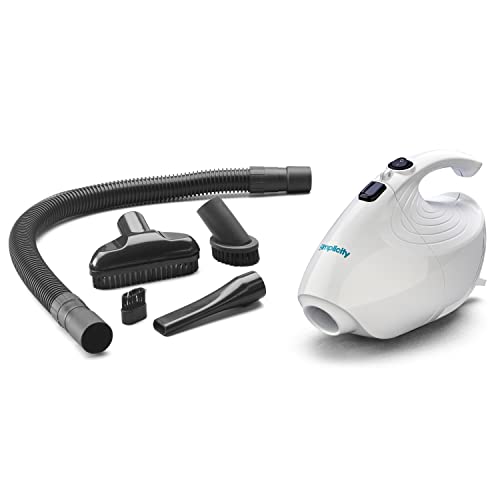
- Handheld vacuum with upholstery brush plush toy cleaning


Before You Start
Assess fabric type and care labels before cleaning. Spot test any cleaner in an inconspicuous area. Remove small parts or accessories to prevent damage during cleaning. Allow adequate drying time in a well-ventilated area to prevent mold growth. Keep liquids away from electronic components or stitched seams that show wear.
Time estimate: 20 minutes for surface cleaning; 1–4 hours for a complete wash and dry, depending on toy size and drying conditions. Safety note: never machine wash or soak a stuffed toy with delicate embroidery unless the care label explicitly allows it.
Step-By-Step: How To Clean Stuffed Animals Safely
- Inspect the toy and read any care labels to confirm washing instructions and fabric type.
- Remove loose dirt by brushing with a soft bristle plush toy cleaning brush in gentle, downward strokes.
- For surface dirt, use a handheld vacuum with upholstery brush to lift dust from seams and fur.
- For stains, apply a small amount of stain remover pen for plush toys directly to the affected area and work in gently with a clean cloth.
- If machine washing is allowed, place the toy in a delicate laundry bag for stuffed animals plush toys and wash on a cold, gentle cycle with mild detergent.
- After washing, remove excess moisture by pressing gently with a towel; avoid wringing.
- Air dry the toy completely in a well-ventilated area, reshaping fur as it dries. Do not use heat sources like a dryer unless the care label permits.
- Once dry, brush the fur with the soft brush to restore fluff and remove any remaining nap.
Troubleshooting
| Symptom | Likely Cause | Fix | Prevention |
|---|---|---|---|
| Stubborn stain remains after pen treatment | Stain penetrating fibers | Spot-treat with a mild detergent solution and blot gently | Test stain first and avoid over-saturation |
| Fur clumps or becomes stiff after drying | Over-wetting or poor drying | Re-wash with minimal water and ensure thorough air drying | Use less water and ensure airflow |
| Color fading after washing | Harsh detergent or high agitation | Switch to a color-safe, mild detergent and cold cycle | Always follow care label guidance |
| Musty odor persists | Inadequate drying | Re-dry in a warm, vented area until completely dry | Dry promptly after cleaning |
Common Mistakes
- Using hot water or aggressive brushes on delicate fabrics
- Soaking plush toys for extended periods
- Over-saturating materials, leading to long drying times
- Ignoring care labels and treating all toys the same
Tips For Best Results
- Brush before and after cleaning to restore fur texture
- Test cleaners on a hidden area first to avoid color bleed
- Ventilate the drying space and avoid direct heat sources
- Store cleaned toys in a dry, breathable environment to prevent odors
Call A Professional
Seek professional cleaning when a toy has severe staining, fragile seams, or value concerns. Stop cleaning if fabric shows thinning, pilling that worsens, or if color bleed occurs during trial treatments. If the toy contains electronics, batteries, or removable accessories, a specialist should handle disassembly and safe cleaning.
FAQ
Can I machine wash all stuffed animals?
Not all toys are machine washable. Always check the care label; when in doubt, opt for a gentle hand wash or surface cleaning.
Is fabric refresher spray safe on plush toys?
Used sparingly and away from eyes, fabric refresher can help neutralize odors, but test first and avoid saturating fur.
How long should a toy dry after washing?
Most plush toys dry within 6–24 hours, depending on size and ventilation. Ensure they are completely dry to prevent mold.
What if a stain returns after drying?
Repeat a targeted treatment on the same area once the toy is dry, using appropriate cleaners for that fabric.
Can I use a hair dryer to speed drying?
Only if the care label allows and keep the dryer at a cool, low setting to avoid damage.
Buying Guide
When choosing cleaning tools for stuffed animals, consider size, material, and the care requirements of the plush. Size affects how well a tool reaches small seams and fur behind ears or arms. Look for a delicate laundry bag for stuffed animals plush toys to protect items during machine washing, and a soft bristle plush toy cleaning brush that won’t snag fibers. A handheld vacuum with upholstery brush helps with routine upkeep without full immersion. For tough spots, a stain remover pen for plush toys offers targeted attention. Finish with a fabric refresher spray for stuffed animals to keep them smelling fresh between cleanings. Consider energy-efficient, compact tools for easy storage in a closet or laundry area.
Size and placement matter: larger toys may require a gentle surface wash rather than full submersion, while small characters can fit inside a delicate bag for machine washing. Noise level and ease of storage are practical factors for households with children or shared living spaces. If cleaning involves harsh chemicals or frequent odor control, prioritize non-toxic options and ensure proper ventilation during use. For households with sensitive individuals or pets, opt for fragrance-free or hypoallergenic products and perform cleaning in a well-ventilated space.