Stainless steel cookware is a staple in American kitchens for its durability and versatile performance. Keeping pots and pans gleaming requires a few practical steps and the right tools. This guide presents a clear, step-by-step approach to cleaning stainless steel cookware effectively and safely.
Quick Answer
For routine cleaning, wash with warm water and a gentle dish soap, then dry thoroughly with a microfiber cloth to prevent water spots. For stuck-on residue, soak in warm, soapy water and scrub with a non-scratch sponge or brush. For a polished finish, finish with a dedicated polishing cloth.
What You’ll Need
- Stainless steel cookware cleaning brush
- Non-scratch stainless steel pot scrubber sponge
- Stainless steel pan cleaning scourer pad
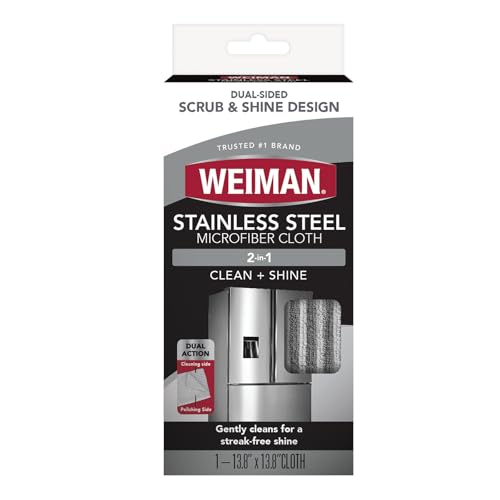
- Microfiber cleaning cloth for stainless steel cookware
- Polishing cloth for stainless steel cookware finish


Before You Start
Prepare a clean workspace and gather your tools. Avoid harsh abrasive pads that can scratch)) and never submerge a hot pan in cold water. Allow pans to cool before cleaning to prevent warping. For best results, rinse off loose debris immediately after cooking and fill pots with warm water for pre-soak if needed. Time estimate: 5–15 minutes for routine cleanups; 20–30 minutes for heavily soiled pots.
Step-By-Step: How To Clean Stainless Cookware
- Fill the pan with warm, soapy water and let it soak for 10–15 minutes to loosen stuck-on foods.
- Wash the exterior and interior with a mild dish soap using a non-scratch stainless steel pot scrubber sponge or stainless steel cookware cleaning brush to avoid scratching.
- For difficult residues, create a paste with baking soda and water, apply to the area, and scrub gently with a stainless steel pan cleaning scourer pad.
- Rinse thoroughly with warm water, ensuring all soap is removed to prevent residue and dulling.
- Dry immediately with a microfiber cleaning cloth for stainless steel cookware to prevent water spots and mineral buildup.
- If you notice rainbow or dull spots, buff the surface lightly with a polishing cloth for stainless steel cookware finish following the grain of the metal.
- For simmering sauces or vinegar-rich foods, promptly wash to prevent corrosion or color changes; recheck for any stains after drying.
- Occasionally, heat a small amount of oil on low heat and wipe with a cloth to maintain shine and protective patina without residue buildup.
- Store clean cookware in a dry area; avoid stacking heavy items that could scratch surfaces.
- Repeat routine cleaning after each use to maintain luster and longevity of the finish.
- For dishwasher-safe care, confirm manufacturer instructions, as some stainless pans have coatings that may require hand-washing for best results.
- If you encounter persistent staining or discoloration, repeat the soak and scrub process or consult the cleaning kit’s guidance for safe products.
Troubleshooting
| Symptom | Likely Cause | Fix | Prevention |
|---|---|---|---|
| Discoloration or rainbow hues | Heat exposure or mineral deposits | Gently polish with microfiber cloth and polish cloth | Avoid overheating; use moderate heat and quick cleanup |
| Stubborn stuck-on food | Baked or caramelized residues | Soak longer, apply baking soda paste, scrub with scourer pad | Pre-soak after cooking and deglaze as needed |
| Scratches or dull finish | Using abrasive tools | Switch to non-scratch tools; buff with polishing cloth | Use gentle cleaning methods consistently |
| Water spots or streaks | Hard water minerals | Dry with microfiber cloth; wipe with a little vinegar solution | Dry thoroughly after washing |
Common Mistakes
- Using metal brushes on coated or nonstick layers
- Soaking copper-bottom pans for too long in acidic solutions
- Letting pans air-dry in direct sunlight or on hot surfaces
- Neglecting to remove burnt-on oils that can create buildup over time
Tips For Best Results
- Always start with warm water and a gentle soap to minimize stubborn residues.
- Use a dedicated microfiber cloth for drying to reduce spots and streaks.
- Buff with the polishing cloth after drying to restore shine and a uniform finish.
- For evenly polished results, clean in the direction of the stainless steel grain.
- Clean routinely to prevent buildup rather than tackling heavy stains later.
Call A Professional
Call a professional if stainless cookware shows deep pitting, severe discoloration that won’t respond to cleaning, or if a protective coating appears damaged. Seek expert help for any repairs beyond standard cleaning to avoid compromising the pan’s performance.
FAQ
Can I put stainless steel cookware in the dishwasher?
Many stainless pans are dishwasher-safe, but check manufacturer guidelines to avoid dulling or damage to finishes.
What should I do about mineral deposits or water spots?
Dry thoroughly with a microfiber cloth and consider a light polish to restore shine; for persistent spots, a vinegar rinse can help.
Is a steel wool pad ever appropriate?
Only if the cookware is rated for heavy-duty cleaning; otherwise, use non-scratch tools to prevent scratching.
How can I maintain the finish long-term?
Clean promptly after use, avoid harsh chemicals, and polish periodically to sustain luster and protection.
Buying Guide
When choosing stainless cookware for cleaning and maintenance, consider size, material thickness, and finish quality. Larger sets offer variety but require more storage space. Noise is typically minimal during normal use, but lid fittings and handles should be sturdy. Energy efficiency is linked to how well you heat and maintain temperature; choose pans that distribute heat evenly. Look for simple, intuitive controls on lids and handles, and ensure placement in your kitchen allows easy access for routine cleaning. Compare similar products by the type of finishing polish and the availability of compatible cleaning tools to form a complete care system.