Stubborn bathtub stains can be frustrating, especially on enamel and porcelain surfaces. This guide provides a clear, step-by-step method using common cleaning tools to restore a bright, clean tub. Whether you prefer manual scrubbing or handy attachments, the right approach makes a noticeable difference.
By following practical techniques and choosing the right products, homeowners can tackle mineral deposits, soap scum, and discoloration effectively. The methods below are suitable for typical American households and emphasize safety, efficiency, and environmentally friendly options where possible.
Quick Answer
For most stained tubs, start with hot water, a non-abrasive cleaner, and a soft-bristle scrub. If stains persist, move to a specialized stain remover or a gentle abrasive pad, then finish with a microfiber cloth for shine. Use tools like a long-handle bath tub scrub brush to reach tough spots and an electric tub scrubber attachment for deep cleaning without excessive scrubbing.
What You’ll Need
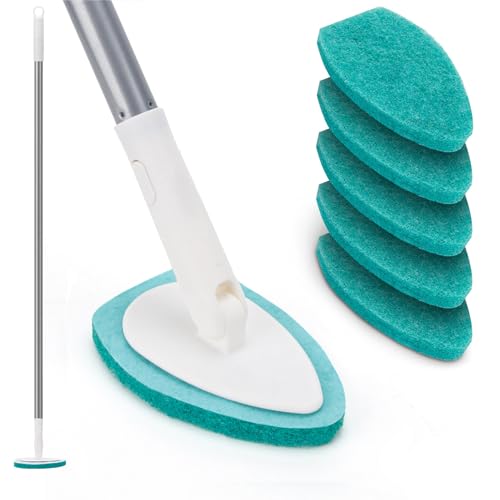
- Bath tub scrub brush with long handle
- Electric tub scrubber attachment
- Stain removal sponge for bathtub enamel
- Abrasive scrub pad for porcelain tub
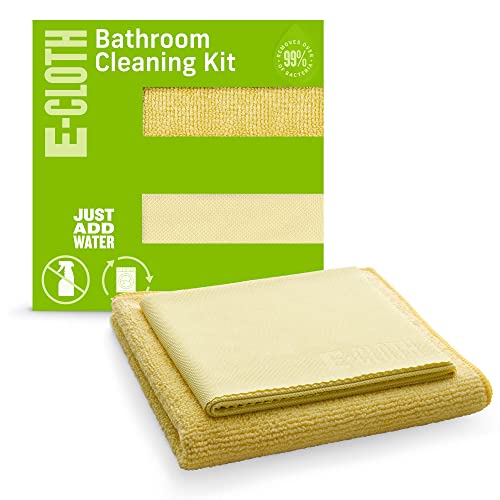
- Microfiber tub cleaning cloth kit

Before You Start
Prepare the area by removing all bath items and ensuring good ventilation. Don gloves to protect skin from cleaners and avoid mixing harsh chemicals. Test any cleaner on a small, inconspicuous area first to prevent surface damage. Time estimates vary: plan about 20–40 minutes for routine stains, longer for heavy buildup. Do not mix bleach with ammonia or acidic cleaners, as dangerous fumes can form.
Step-By-Step: How To Clean Stained Tub
- Rinse the tub with hot water to loosen grime and create a clean working surface.
- Apply a non-abrasive cleaner or a paste made from baking soda and water to stained areas.
- Let the cleaner sit for 5–10 minutes to break down mineral deposits and soap scum.
- Use the bath tub scrub brush with a long handle to scrub circularly over stains, applying steady pressure.
- For stubborn stains, switch to an abrasive scrub pad for porcelain or the stain removal sponge for enamel, using gentle but firm motions.
- Rinse thoroughly with warm water, then inspect for remaining staining. Repeat as needed on tough spots.
- Dry the tub with a microfiber cloth to prevent water spots and to reveal remaining dull areas.
- Finish with a light wipe using a clean microfiber cloth to maintain a glossy surface and deter future buildup.
Troubleshooting
| Symptom | Likely Cause | Fix | Prevention |
|---|---|---|---|
| Stains persist after cleaning | Deep-set mineral deposits | Reapply cleaner and use an abrasive pad or sponge; consider a specialized bathtub stain remover | Regular maintenance cleaning |
| Surface scratches or dull spots | Overly aggressive scrubbing | Switch to gentler pads and non-abrasive cleaners | Avoid harsh scrubbers on delicate enamel |
| Faint color or edge discoloration | Soap scum buildup | Deep clean with a dedicated soap scum remover | Wipe dry after each use |
| Fumes or irritation during cleaning | Mixed chemicals | Discontinue and ventilate; use only one type of cleaner at a time | Follow label directions |
Common Mistakes
- Using highly abrasive pads on enamel or porcelain surfaces
- Over-mixing cleaners or combining bleach with ammonia or acidic products
- Skipping pre-rinse and letting grime harden again
- Neglecting to dry the tub after cleaning, inviting new stains
Tips For Best Results
- Spot-clean regularly to prevent heavy buildup and staining
- Use long-handled tools to reach corners and under ledges without crouching
- Pair a microfiber cloth with a gentle cleaner for a streak-free finish
- Let cleaners sit for a few minutes to maximize effectiveness before scrubbing
- Rinse thoroughly after each cleaning session to remove residue
Call A Professional
Seek professional help if stains are extensive, the tub shows evident cracks, or existing coatings appear worn. Stop signs include persistent staining after multiple cleanings, visible surface damage, or if chemical exposure risks are a concern for household members, especially children or pets.
FAQ
Can I use bleach on enamel tubs?
Yes, but only with proper ventilation and in a well-diluted form, avoiding mixing with ammonia or acids.
What cleaning tools work best for hard-to-reach areas?
A long-handle bath tub scrub brush combined with an electric tub scrubber attachment can dramatically improve access.
Are abrasive pads safe for porcelain tubs?
Yes, but use them sparingly and only on areas with tough mineral deposits to prevent scratches.
How often should I deep clean my tub?
Deep cleaning every 1–2 weeks is recommended for high-use bathrooms to prevent heavy buildup.
Buying Guide
Choosing the right tools and supplies helps maintain a clean tub with minimal effort. Consider factors such as tub material, stain severity, and user preference for manual versus powered cleaning.
Size and reach: A long-handled brush extends to hard-to-reach areas like corners and under rims, reducing strain and improving coverage.
Noise level: Electric tub scrubber attachments can speed cleaning but may be noisier. Look for models with adjustable speeds and vibration dampening if the bathroom is shared.
Energy efficiency: Manual tools require no electricity, while electric attachments use power sparingly. Choose efficient battery-powered options when available.
Controls: Simple, intuitive controls help reduce set-up time and mistakes, especially when handling caustic cleaners.
Placement: Store brushes and cloths in a wet-area safe tray to prevent mildew. Keep cleaners in a cool, dry cabinet away from children.