Pillows endure daily use, and stains from sweat, oils, spills, and facial products can build up over time. Proper cleaning not only improves appearance but also helps extend pillow life and maintain hygiene. This guide provides practical steps using common stain removers and pillow-cleaning tools available in the U.S. market.
Below you will find a straightforward process that suits most pillow fabrics. Always check care labels before washing and spot-test any cleaning product on a hidden area.
Quick Answer
For most pillow stains, start with blotting, apply a fabric-safe stain remover, then wash according to care labels. Use a pillow cleaner brush set to work in the stain remover, and air dry completely. For stubborn spots, reapply stain remover and repeat if necessary.
What You’ll Need
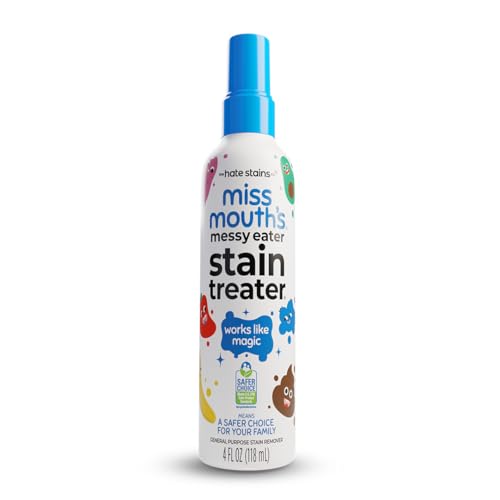
- Stain remover spray for pillows
- Fabric-safe pillow stain remover gel
- Pillow cleaning kit with stain remover
- Pillow cleaner brush set
- Fabric stain treatment for pillows


Before You Start
Prepare a clean workspace and gather materials. Check pillow care labels; some down or specialty fills require different handling. Do a quick fabric test on a small, inconspicuous area to ensure colorfastness. Time estimates: 20–60 minutes for spot treatment plus washing, plus drying time which varies by method and fabric.
Cautions: Avoid hot water on protein-based stains (like blood) and never dry a pillow in direct heat if the fabric isn’t tumble-safe. If allergies or skin sensitivities exist, consider hypoallergenic cleaners and ensure thorough rinsing.
Step-By-Step: How To Clean Stained Pillows
- Remove pillowcases and pre-inspect stains. Note color-bleeding risks and identify stain types (oil, blood, sweat, coffee).
- Blot excess moisture. Use a clean cloth or paper towels to blot; avoid rubbing which can spread the stain.
- Apply stain remover spray for pillows. Lightly mist stained areas and let sit for 5–10 minutes to penetrate soils.
- Work in the stain remover with a soft brush or pad. Use the pillow cleaner brush set to gently agitate the fabric without abrasion.
- Apply fabric-safe pillow stain remover gel as needed. For tougher spots, apply gel and rub gently in circular motions.
- Check a small area and rinse or launder as directed. If the fabric allows, launder according to care label using a mild detergent; otherwise, wipe with a clean damp cloth.
- Air or tumble dry appropriately. Dry on low heat if the pillow filling permits, or air dry completely in a well-ventilated area to prevent musty odors.
- Repeat if stains persist. For stubborn stains, reapply stain remover and repeat the cleaning cycle.
- Re-fluff and protect. Once dry, fluff the pillow and reinsert into the cover; consider a fabric protector spray if compatible with the fabric.
- Assess for odor and freshness. If any odor remains, a brief wash or airing session may help.
Troubleshooting
| Symptom | Likely Cause | Fix | Prevention |
|---|---|---|---|
| Stain reappears after washing | Incomplete removal or set-in stain | Repeat stain treatment with a fresh application | Treat stains promptly and test products first |
| Stain spreading during cleaning | Rubbing too hard or using wrong product | Switch to gentler brush and compatible gel | Blot, not rub; follow care label |
| Fabric color fading | Harsh cleaner or heat exposure | Use milder products and air-dry | Spot-test and follow label directions |
| Moisture retained after wash | Aggie filling or poor drainage | Spin cycle longer or pad with towels to wick moisture | Ensure proper drainage and drying space |
Common Mistakes
- Applying too much cleaner at once, causing saturation and spreading stains
- Using hot water on protein-based stains like sweat or blood
- Skip rinsing when detergents remain on fabric, leading to residue and odors
- Over-drying, which can degrade pillow filling
Tips For Best Results
- Test cleaners on hidden fabric areas before full application to avoid color loss
- Use a dedicated pillow cleaning kit to keep all tools in one place
- For delicate fabrics, prefer gel-based treatments that are gentle yet effective
- Regularly rotate and air out pillows to reduce lasting stains and odors
- Combine stain removal with routine pillow washing schedules for best hygiene
Call A Professional
Consider a professional cleaner if the pillow is vintage, unusually delicate, or the stain remains after multiple cleaning attempts. Warning signs include persistent mold, strong mildew odors, or visible fabric damage. If you notice this, consult a specialist to avoid further damage.
FAQ
Can I use any stain remover on all pillow fabrics?
Not always. Always check the care label and test on a hidden area first to avoid color loss or fabric damage.
Is it safe to machine wash all pillows?
No. Down and certain foam or specialty fills require specific washing methods or spot cleaning only.
How long does it take for pillows to dry completely?
Drying time varies by filling and method; plan for several hours to overnight in a well-ventilated area.
Which tools help with stain removal the most?
A combination of stain remover spray, fabric-safe gel, and a pillow cleaning kit with a soft brush yields good results.
Should I repeat cleaning if stains persist?
Yes. Reapply stain remover and rewash as necessary, following the care instructions on the label.
Buying Guide
Choosing the right products to clean stained pillows depends on fabric type, stain severity, and household needs. Consider size and fill type, noise level if you’re using electrical tools, energy-efficient washing options, control features, and placement within the home.
Key buying factors include:
- Stain remover options: Look for spray and gel formulations designed for fabrics and pillows, with clear instructions and fabric-safe ingredients.
- Pillow cleaning kit: A comprehensive kit with brushes, stain removers, and wipe-down cloths can streamline cleaning.
- Brush set quality: A gentle, non-abrasive pillow cleaner brush helps lift stains without damaging fabric.
- Fabric compatibility: Check that products are suitable for your pillow fabric (cotton, microfiber, synthetic blends, or down).
- Care label compliance: Some pillows require dry cleaning or spot cleaning only; respect labels to avoid voiding warranties.
- Maintenance needs: Consider how often you clean and whether you prefer low-odor products or fragrance-free options for sensitive households.
When comparing options, think about how often you clean, the severity of stains, and the time you can dedicate to drying. Do you want a single, versatile product, or a multi-tool kit that covers every stain scenario? With the right combination, stained pillows can look almost new again.