Snow buildup on a vehicle can be safety hazards and damage when removed improperly. The following guide provides practical, field-tested steps for Americans facing winter conditions, using common tools such as snow brushes, scrapers, and powered options. It emphasizes safe techniques to protect your windshield, paint, and wipers while clearing snow efficiently.
Quick Answer
Best practice in minutes: Start with a lightweight snow brush to remove loose snow, then use a plastic ice scraper to lift ice from the windshield. If ice adheres firmly, switch to a heated windshield scraper or a premium snow brush with an extendable handle to reach all areas without scraping damage.
What You’ll Need
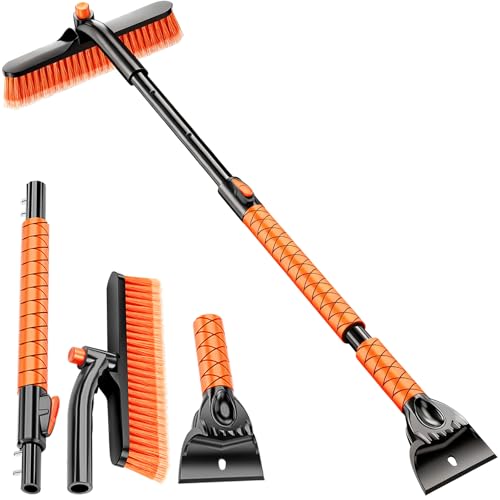
- telescoping snow brush ice scraper car with extendable handle
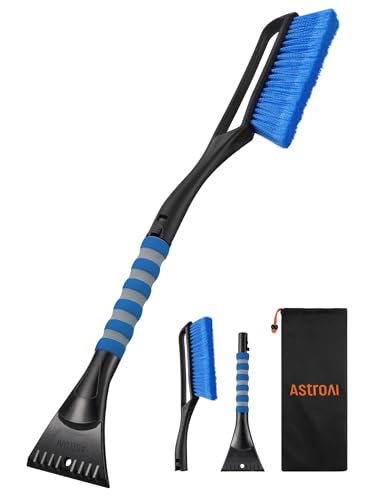
- car snow brush and ice scraper set with soft foam bristles
- heated windshield snow scraper for car 12V cordless
- aluminum snow broom with ice scraper for car windows
- car snow removal toolkit silicone blade ice scraper for windshield

Before You Start
Clear a safe perimeter around your vehicle before starting. Park on a flat, dry surface and turn on the heater to defrost if available, but never use hot water on cold glass. Wear gloves to protect your hands from cold and sharp ice edges. Avoid rushing when scraping; aggressive force can scratch glass or dent panels. Plan for a 5–15 minute session depending on snow depth.
Step-By-Step: How To Clean Snow Off A Car
- Begin with a lightweight snow brush and sweep from the top of the vehicle down, removing loose snow from the roof, hood, trunk, and windows.
- Use a soft foam bristle tool to break up compacted snow near the edges without scratching the finish.
- Move to the windshield and rear window, brushing outward in straight lines to minimize ice contact with edges and seals.
- If ice is present, switch to a ice scraper with a flexible blade and gently lift ice in small sections; avoid heavy pressure that can crack glass.
- For hard-to-reach areas, extend your tool with a telescoping handle to access roof gutters and under the wipers.
- At the wipers, lift the blade away from the glass before clearing ice to prevent damage to the motor or rubber.
- Clear the hood and radiator intake to ensure proper engine temperature management and airflow.
- Wax or treat windows with an anti-ice spray once dry to reduce buildup on future snows.
- Check mirrors, door seals, and bumper areas for any remaining snow or ice before driving.
- Dispose of removed snow into an appropriate area; avoid piling snow into traffic lanes or onto the windshield after removal.
- If heavy ice remains, consider using a heater-assisted device (12V cordless) for quicker melt, following safety guidelines.
Troubleshooting
| Symptom | Likely Cause | Fix | Prevention |
|---|---|---|---|
| Ice remains on windshield after brushing | Ice is bonded to glass | Use a plastic ice scraper with light, steady pressure; warm the glass with defrost | Apply anti-ice coating before snowfall |
| Scraper sticks or scratches paint | Using metal scraper or blade on painted surfaces | Switch to plastic blade tools; avoid metal edges | Keep tools dry and free of grit |
| Wipers get clogged or damaged | Ice around wiper blades | Lift blades before clearing; clean blades afterward | Use wiper-safe winter blades |
| Snow falls back onto windshield during removal | Inadequate path or technique | Work in a systematic pattern from top down; keep clear space | Use a wider brush to cover more area |
Common Mistakes
- Scraping glass when the glass is frosted; this causes micro-scratches
- Using metal tools on glass or painted surfaces
- Removing snow in the early morning when the snow is icy-hard
- Rushing around the car and injuring yourself or damaging seals
Tips For Best Results
- Choose a tool with extendable handle to reach the roof without climbing or overreaching
- Prioritize a soft foam bristle brush for delicate surfaces and a plastic ice scraper for ice
- Keep blades and brushes free of grit to prevent scratching
- Defrost the windshield with the car’s heater or remote start if available to soften ice safely
- Store tools in an easily accessible location for quick retrieval during storms
Call A Professional
Seek professional assistance if you notice cracked glass, bent wiper arms, or compromised seals after removing heavy ice. Do not drive with significant ice buildup on the roof or hood; it can detach and create road hazards.
FAQ
What is the best tool for removing snow from a car?
The most effective setup combines a telescoping snow brush ice scraper car with extendable handle and a car snow brush and ice scraper set with soft foam bristles for safe, comprehensive coverage.
How do you prevent ice from forming again on your windshield?
Apply an anti-ice treatment after cleaning and use a heated windshield scraper if available to minimize future buildup.
Can I use hot water to melt snow quickly?
No. Sudden temperature changes can crack glass or warp components; use defrost settings or a heated scraper instead.
When should I replace winter tools?
Replace if blades become chipped, brushes lose stiffness, or tools show signs of cracking to avoid damage during use.
Buying Guide
Choosing the right snow-removal gear involves several factors. Consider the size of your vehicle and typical snow depth to decide between a standard 24-inch brush or a telescoping model with extra reach. Noise level is generally not a major concern, but try to pick tools with sturdy, ergonomic handles for comfortable use in cold weather. Energy efficiency matters if you opt for battery-powered/focused heated tools; choose models with quick charging and safe, low-heat operation. Controls should be intuitive—look for extendable handles that lock in place. Placement matters too: store tools in an accessible trunk organizer or back seat pocket for fast retrieval. Finally, evaluate the compatibility of tools with your vehicle’s windows and mirrors to ensure safe, effective cleaning in a range of winter conditions.