Smelt are small, delicate fish that benefit from careful cleaning to preserve their flavor and texture. This guide covers practical steps for cleaning smelt at home, using common kitchen tools, and avoiding common pitfalls for best results.
Quick Answer
Rinse smelt, remove guts, scale if desired, remove heads, and pat dry. Use a sharp fillet knife or gutting knife, kitchen shears for tough bits, and a plastic cutting board to keep prep clean and safe.
What You’ll Need
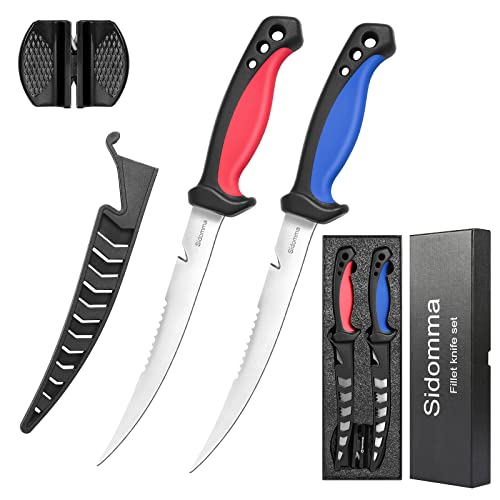
- fillet knife for small fish stainless steel
- fish scaler for small fish
- plastic cutting board for fish fillet prep
- gutting knife for fish
- kitchen shears for fish cleaning


Before You Start
Prepare a clean workspace and have a bowl of cold water nearby. Rinse smelt under cold running water to remove any slime or debris. Keep surfaces and tools sanitized to prevent cross-contamination. Time estimate: 10–20 minutes for a small batch. Important cautions: keep fingers away from blade edges, and discard guts and scales in a sealed bin to minimize odor.
Step-By-Step: How To Clean Smelt
- Rinse the smelt under cold water to remove surface slime and debris.
- Lay the fish on a plastic cutting board to protect counters and simplify cleanup.
- If you prefer skin-on fillets, skip gutting for now and proceed to rinsing; otherwise, use a gutting knife to remove the belly contents from the vent to the head end.
- Make a shallow cut along the belly from the head toward the tail, then remove internal organs with gloved fingers or a spoon.
- Rinse the cavity quickly under cold water to remove blood and residual organs.
- If scaling is desired, use a fish scaler or the back of the knife and gently scrape from tail to head.
- Trim off any fins or dark membranes with kitchen shears for cleaner fillets.
- Remove heads if preferred: make a clean cut just behind the gills, then rinse again.
- Pat the fish dry with a clean paper towel or cloth; proceed to filleting or pan-prepping as desired.
- If freezing, portion the cleaned smelt in airtight bags and label with date for best quality.
- Dispose of waste promptly and wash all tools and surfaces with warm, soapy water.
Troubleshooting
| Symptom | Likely Cause | Fix | Prevention |
|---|---|---|---|
| Guts cling to flesh | Improper gut removal | Flush cavity thoroughly; trim any remaining tissue | Take time with the belly cutting step |
| Slippery fish, difficult to grip | Fish freshness or handling | Keep fish cold, dry hands, use paper towels | Work quickly but carefully |
| Poorly cleaned fins or scales | Incomplete scaling | Re-scrape with scaler or knife | Inspect each fish before proceeding |
| Odor lingering after cleaning | Guts not fully removed | Reopen cavity and rinse thoroughly | Clean as you go and dispose promptly |
Common Mistakes
- Trying to clean smelt with dull knives, which tears flesh
- Rinsing in warm water, which speeds bacterial growth
- Leaving the belly cavity unopened, resulting in residual innards
- Over-scaling, which can strip delicate skin and meat
Keeping tools sharp and maintaining cold temps during prep helps prevent these issues.
Tips For Best Results
- Chill smelt briefly before cleaning to reduce slime and improve grip
- Clean in batches to avoid crowding and cross-contamination
- Use a dedicated plastic cutting board to minimize odors and staining
- Gently pat dry after washing to preserve skin texture
- Label and date frozen portions to maintain quality
Call A Professional
Consider a professional if you’re unsure about handling very small or delicate fish, or if you need customized cleaning for larger batches. Stop and seek help if you notice strong fishy odors that don’t fade with cleaning, or if you have concerns about safety or sanitation beyond routine prep.
FAQ
Can smelt be cleaned with the skin on?
Yes, but many cooks prefer skinning or filleting after cleaning for easier cooking and a cleaner presentation.
Should I scale smelt before frying?
Scaling is optional; it can help with certain dishes, but many recipes fry with skin intact for flavor and texture.
What’s the best knife for cleaning smelt?
A small fillet knife or gutting knife provides precise cuts without crushing the fish.
How should cleaned smelt be stored?
Store rinsed and dried smelt in airtight containers or bags in the refrigerator for up to 1–2 days, or freeze for longer storage.
Buying Guide
When selecting tools for cleaning smelt, consider size, material, and ease of use. A fillet knife for small fish stainless steel should be sharp and maneuverable for delicate flesh. A fish scaler for small fish helps remove scales without tearing skin. A plastic cutting board for fish fillet prep minimizes odor absorption and is easy to sanitize. A gutting knife for fish offers precise belly work, and kitchen shears for fish cleaning simplify trimming fins and tough bits. Look for compact sets that fit a standard kitchen drawer and are easy to clean. Consider storage space, dishwasher safety, and whether you prefer lightweight, non-slip handles for extended prep sessions.