Maintaining clean ski boot liners helps extend their life, reduces odor, and keeps feet comfortable on the slopes. This guide walks through practical steps using common cleaning tools and safe practices for most ski boot systems found in American gear closets.
cleanliness matters because liners absorb sweat, moisture, and odor over time. The following approach combines simple brushing, targeted sprays, and gentle drying to restore freshness without damaging the liner materials.
Quick Answer
Best quick method: brush away loose debris, apply a boot liner cleaning spray lightly, deodorize with a specialized spray, and finish with a dedicated ski boot dryer to completely dry the interior. Repeat as needed between trips to maintain hygiene and comfort.
What You’ll Need
- ski boot liner cleaning brush kit
- boot liner cleaning spray for ski boots
- ski boot dryer indoor hot air
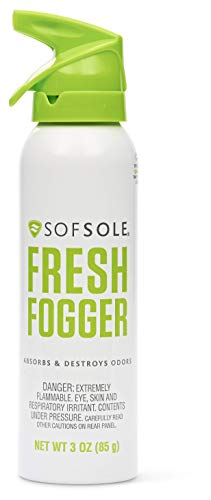
- boot deodorizer spray for ski boots
- boot cleaning brush and lint remover kit


Before You Start
Before cleaning, remove liners from the shells and let them air out for a few minutes if they’re damp. Use cool, not hot water to rinse any persistent residue. Read boot manufacturer care notes when available, as some materials require specific cleaners. Allow ample time for drying to prevent mold growth. Working in a well-ventilated area helps control fumes from sprays.
Safety note: avoid harsh solvents on foam liners, and never place liners in a standard clothes dryer. Always use a dedicated ski boot dryer or air-dry on a flat surface. Plan for a cleaning window of 30–60 minutes per session.
Step-By-Step: How To Clean Ski Boot Liners
- Remove liners from the ski boot shell and shake out loose debris.
- Brush the liner surface with the boot cleaning brush and lint remover kit to lift dust and fibers.
- Lightly mist the liner with boot liner cleaning spray for ski boots, focusing on the foot bed and heel areas.
- Gently wipe with a clean cloth to remove moisture and soil without saturating the foam.
- Apply boot deodorizer spray for ski boots to neutralize odor-causing bacteria; let sit for the recommended dwell time.
- Place liners in front of a ski boot dryer indoor hot air unit or a low-heat drying setup until fully dry.
- Inspect seams and edges for wear; address any loose threads or damage before reinstalling.
- Reinsert liners into boots, ensuring even padding and correct alignment with the shell.
- Optional refresh: lightly deodorize after wear, and air out liners between sessions to keep odor in check.
- Store boots in a dry, ventilated area to prevent moisture buildup and odor reaccumulation.
- Schedule routine cleanings after heavy use or muddy conditions to maintain hygiene and comfort.
- Record a cleaning note on the liner care calendar to track maintenance intervals.
Troubleshooting
| Symptom | Likely Cause | Fix | Prevention |
|---|---|---|---|
| Persistent odor after cleaning | Bacteria trapped in foam | Re-clean using gentle spray with longer drying time | Regular deodorizing after use; air out liners between wears |
| Liners feel stiff or crunchy | Over-drying or harsh products | Switch to milder spray and ensure complete but not excessive drying | Use quick-dry cycles and avoid heat hotspots |
| Water spots or damp zones | Uneven drying | Run dryer evenly for longer, rotate liners | Pre-dry before final air-dry stage |
| Foam separation near the heel | Wear and tear | Consult manufacturer guidelines; replace liner if necessary | Handle gently during cleaning; avoid aggressive scrubbing |
Common Mistakes
- Using hot water or high heat on foam liners, which can deform the foam structure.
- Over-soaking liners with cleaners, leading to residual moisture and odor traps.
- Ignoring drying steps, which invites mold and mildew growth.
- Skipping manufacturer care recommendations for specific liner materials.
Tips For Best Results
- Schedule routine cleanings between trips to prevent odor buildup.
- Rotate liners if you have more than one pair to extend longevity.
- Store boots with liners slightly ajar to improve air circulation and drying.
- Combine deodorizing sprays with a thorough brush-out for optimal freshness.
- Keep the cleaning area ventilated to minimize inhalation of spray scents.
Call A Professional
Seek professional help if liners show persistent mold, significant water damage, or structural deformities. Stop using liners if you notice unusual discoloration, persistent odors after multiple cleanings, or any material breakdown that compromises support or fit.
FAQ
How often should ski boot liners be cleaned?
Clean liners after heavy use or exposure to moisture, with a light deodorizing treatment between wears.
Can I machine-wash ski boot liners?
No. Most liners are foam-based and can be damaged by machines. Stick to brushing, spraying, and air-drying methods.
Is it safe to use any deodorizer spray on liners?
Use products labeled for ski boots or foam liners and follow dwell-time guidelines to avoid residue buildup.
What type of dryer is recommended for drying liners?
Use a dedicated ski boot dryer or a low-heat indoor hot air dryer designed for footwear components.
Should I remove liners every time I store my boots?
Yes, if possible, to reduce moisture buildup. Air both components separately before storing.
What if liners still feel damp after drying?
Increase drying time and ensure airflow is unobstructed; consider a second drying cycle.
Are there any materials to avoid when cleaning liners?
Avoid harsh solvents that can degrade foam or adhesives; always test a small area first if unsure.
Buying Guide
When selecting products for cleaning ski boot liners, consider size and compatibility with your liner type. Look for tools that fit your boot size and liner construction, such as brush sets that reach heel pockets and forefoot areas. Noise level may matter if you use a dryer indoors, so choose a quiet model suitable for shared spaces. Energy efficiency is practical for frequent use, so prefer compact, purpose-built boot dryers with efficient airflow.
Controls should be simple: a few heat settings, timer options, and a clear instruction label. Placement matters: position the dryer away from direct heat sources and in a well-ventilated area to prevent moisture buildup in the room. Compare products based on the combination of a cleaning brush kit, dedicated sprays, and a reliable dryer. If you own multiple pairs, consider a kit that includes lint removal features to keep liners clean between seasons.
Multiple perspectives help: some skiers favor all-in-one kits for convenience, while others prefer separate sprays and brushes for precise cleaning. Evaluate the durability of a liner cleaning spray against its scent and residue. For frequent campers or athletes, a compact, fast-drying setup may be worth the investment, especially when boot care becomes a daily routine during peak season.