Silicone plates and bakeware are prized for their nonstick surface and durability, but they still collect grease, batter, and baked-on residue. With the right approach, cleaning silicone plates becomes quick and effective without damaging the material. This guide walks American homes through practical steps, tools, and quick tips to restore silicone bakeware to its best condition.
Quick Answer
For routine cleaning, wash silicone plates in warm, soapy water using a soft brush or sponge. For stubborn stains, soak in a solution of warm water and a mild detergent, then scrub with a silicone sponge for cleaning bakeware or a silicone dish scrubber brush non-scratch. Rinse well, dry thoroughly, and store flat to prevent warping.
What You’ll Need
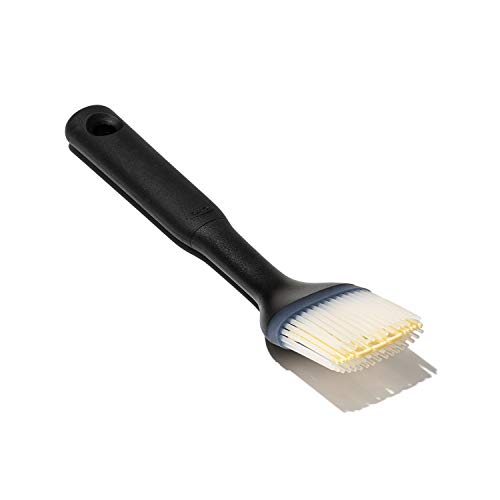
- silicone bakeware cleaning brush
- silicone dish scrubber brush non-scratch
- non-scratch silicone scrub pad for bakeware
- silicone sponge for cleaning bakeware
- silicone spatula cleaning brush combo


Before You Start
Clear the area and remove any loose food from the silicone plates. Rinse under warm water to loosen debris. Use warm water and mild dish soap; avoid harsh cleaners that can degrade silicone over time. Do not use abrasive pads on the nonstick surface, as they can scratch and reduce coated performance. Allow plates to cool before washing if they’re hot right after baking.
Time estimate: 5–15 minutes for routine cleaning; 20–40 minutes for heavy residue. Space and ventilation matter for lingering odors; consider a dedicated storage solution to keep silicone plates clean and dry between uses.
Step-By-Step: How To Clean Silicone Plates
- Rinse the silicone plate under warm running water to remove loose crumbs and oil.
- Fill a sink or basin with warm soapy water using a mild dish detergent.
- Submerge the plate and let it soak for 5–10 minutes to loosen baked-on residue.
- Use a silicone sponge for cleaning bakeware or a silicone dish scrubber brush non-scratch to gently scrub all surfaces, including crevices and edges.
- For stubborn stains, sprinkle a small amount of baking soda on the scrub pad and continue to scrub; avoid steel wool.
- Rinse thoroughly with warm water to remove all soap and residue.
- Dry with a soft cloth or let air-dry on a rack; ensure both sides are completely dry before storing.
- Inspect for any remaining residue; repeat steps if needed, focusing on the base and any ridges.
- Store flat or hanging to prevent deformation; keep away from direct sunlight to preserve elasticity.
- Occasional deep cleaning: soak in a 1:1 white vinegar to water solution for 10–15 minutes, then rinse and dry.
- For heavy oil buildup, a brief boil in water mixed with a small amount of dish soap can help, then rinse well.
- After each cycle, consider a quick wipe with a silicone spatula cleaning brush combo to keep edges clear of residue.
Troubleshooting
| Symptom | Likely Cause | Fix | Prevention |
|---|---|---|---|
| Persistent white film | Hard water minerals | Rinse with distilled water and dry completely | Use soft water or a vinegar rinse periodically |
| Discoloration after use | Deep stains from foods like turmeric or tomato | Soak in warm soapy water; scrub with a non-scratch pad | Pre-grease surfaces before use |
| Sticky surface after washing | Soap residue | Rinse thoroughly; run a second rinse with clean water | Use a mild detergent and avoid overuse |
| Scratches or pitting | Abusive scrubbing or abrasive cleaners | Switch to non-scratch tools; stop using metal brushes | Gentle cleaning routine |
| Odors lingering | Trapped grease | Warm water soak with a drop of mild dish soap, then rinse | Clean promptly after use to prevent buildup |
Common Mistakes
-
Using abrasive pads or metal scrubbers on silicone plates, which can scratch and degrade nonstick surfaces.
-
Letting residues sit for long periods; quick cleaning after use reduces stains and odors.
-
Using strong solvents or harsh cleaners that can break down silicone over time.
-
Washing in very hot water right after baking; thermal shock can warp thin silicone components.
Tips For Best Results
- Routine maintenance keeps silicone plates in top shape; wash soon after use when possible.
- Use non-scratch silicone scrub pad for bakeware for delicate edges to prevent micro-scratches.
- Place plates on a dry rack after washing to ensure complete air-drying and prevent moisture buildup.
- For oily residues, a brief soak followed by a targeted scrub yields best results without harsh chemicals.
- Label storage areas to avoid cross-contamination with metal bakeware or other plastics that might stain silicone.
Call A Professional
Typically, cleaning silicone plates does not require professional help. Contact a pro if you notice deep cracking, persistent odors despite thorough cleaning, or visible warping that affects fit or nonstick performance. If a plate develops severe tears or stubborn, unresponsive staining after multiple cleanings, seek guidance from a cookware specialist or manufacturer support.
FAQ
Can I put silicone plates in the dishwasher?
Most silicone plates are dishwasher-safe on a gentle cycle, but hand washing is often gentler and helps preserve coating and flexibility.
Will heat affect silicone plates during cleaning?
Warm water is sufficient for routine cleaning; avoid prolonged hot water or high heat exposure that could warp thin components.
What if there is a strong odor after baking?
Soak in a mild vinegar solution or run through a warm water rinse with a touch of baking soda, then rinse thoroughly.
How do I remove tough stains like turmeric?
Soak, scrub with a non-scratch pad, and repeat as needed; consider a short vinegar or baking soda treatment if stain persists.
Buying Guide
Choosing the right silicone plates and cleaning accessories depends on several factors. Consider size and shape to fit your typical bakeware collection, ensuring a proper seal and easy storage. Noise level is rarely a concern for silicone, but if you use brushes, choose soft bristles to minimize squeaking. Energy efficiency isn’t a direct metric for cleaning tools, but quick, effective cleaning saves water and time. Look for controls on brushes that are easy to grip and rinse, and plan placement near your sink for convenient access. For best results, pair a silicone sponge with a non-scratch scrub pad to cover all cleaning needs without damaging surfaces. Compare sets that include a silicone spatula cleaning brush combo to keep tools organized and ready for the next bake. If you have limited storage, choose compact, stackable designs that dry quickly and resist odors. Reading user reviews can reveal how well tools hold up under frequent use. Remember to match accessories to your silicone plates and bakeware for a seamless cleaning routine.