Keeping sneakers clean without a full wash cycle is often possible with the right techniques and tools. This guide outlines practical steps to refresh leather, fabric, and synthetic surfaces while protecting materials and color.
By using quick spot-clean methods and gentle tools, American users can extend the life of their footwear and maintain a sharp look between deeper cleanings.
Quick Answer
Spot clean with a no-rinse sneaker spray for most surfaces, followed by a soft-bristle brush to lift grime. Finish with a microfiber cloth to wipe away residue. For stubborn marks on white sneakers, a stain remover pen can help without dunking the shoe in water.
What You’ll Need
- Microfiber shoe cleaning cloth for sneakers
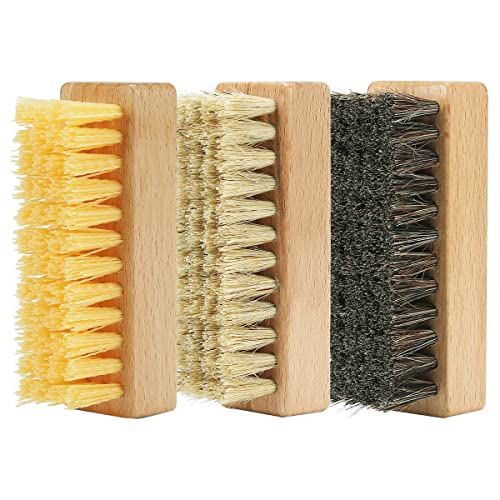
- Soft bristle shoe cleaning brush set
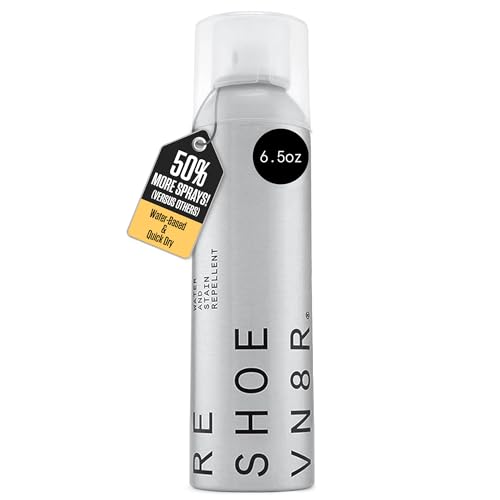
- No-rinse sneaker cleaning spray for leather and fabric
- Stain remover pen for white sneakers
- Sneaker cleaning kit with brush and microfiber cloth

Before You Start
Test products on a small, inconspicuous area to check colorfastness. Remove loose dirt and laces to access all surfaces. Work in a well-ventilated area to avoid inhaling cleaning spray fumes. Allow shoes to dry completely between touch-ups. Avoid soaking leather or suede materials as excess moisture can cause damage or staining.
Estimated time for a typical refresh: 15–30 minutes, depending on the shoe material and soil level.
Step-By-Step: How To Clean Shoes Without Washing
- Remove laces to prevent staining and to reach tongue seams during cleaning.
- Dust the surface with a dry microfiber cloth to lift loose debris.
- Apply the no-rinse sneaker cleaning spray for leather and fabric to a small area and let it sit for 15–20 seconds.
- Gently scrub with a soft bristle shoe cleaning brush set, using circular motions to lift dirt from seams and soles.
- Wipe away residue with a clean microfiber cloth. Use a second cloth dampened with a light spray if needed.
- For white sneakers, use the stain remover pen for white sneakers on marks or scuffs. Gently dab—don’t rub aggressively—to avoid fabric damage.
- Clean the tongue and interior edges with a damp cloth to remove smudges and odors.
- Allow shoes to air-dry away from direct heat or sunlight. Reinsert dry laces when fully dry.
Troubleshooting
| Symptom | Likely Cause | Fix | Prevention |
|---|---|---|---|
| Residue after spray | Over-application | Wipe with clean microfiber cloth; repeat with lighter spray | Apply sparingly, test first |
| Streaks on leather | Excess moisture | Use a barely damp cloth and wipe evenly | Go slow; use no-rinse spray as intended |
| White sneakers turning gray | Firm stains or dirt embedded in fabric | Spot with stain remover pen, then brush and wipe | Address stains promptly |
| Color transfer to white soles | Color from upper material | Use gentle cleaner and a dedicated cloth for soles | Spot-clean regularly to prevent buildup |
Common Mistakes
- Over-wetting leather or suede devices, which can cause texture changes or staining.
- Rubbing aggressively, which can abrade fabric or lift logos.
- Using household cleaners not designed for shoes, leading to color loss or damage.
- Neglecting to air-dry thoroughly, which can trap odors or promote mold.
Tips For Best Results
- Keep a dedicated microfiber cloth for shoes to prevent cross-contamination with other fabrics.
- Label laces and wash them separately if they’re heavily soiled.
- Test any cleaner on a hidden patch before full application to gauge colorfastness.
- Store cleaned shoes in a dry, ventilated area to preserve shape and materials.
- Schedule regular touch-up cleanings to reduce the need for deeper cleans.
Call A Professional
Consider professional help if shoes have delicate materials like suede or patent leather with deep stains, or if the color is uneven after home cleaning. Seek a pro for persistent odors that won’t fade with at-home methods, or when restoring antique sneakers with sentimental value.
FAQ
Can I clean sneakers without water for all materials?
Yes, most surfaces respond well to a no-rinse spray and microfiber cloth. Leather, fabric, and synthetic uppers are commonly safe when used as directed.
Will cleaning sprays damage color or logos?
Most sprays are formulated to minimize color bleed, but always test on a hidden area first.
How often should I perform a no-wash refresh?
Spot-clean as soon as dirt appears, with a deeper refresh every few weeks or after heavy use.
Are there materials I should avoid cleaning with sprays?
Avoid aggressive sprays on suede and nubuck unless the product explicitly supports those textures.
Is a brush essential for every shoe?
A soft-bristle brush helps lift grime without abrasion and is the most versatile tool for quick cleans.
What about odor control?
Fresh cloths, airing out, and occasional deodorizing sprays can help, especially for gym sneakers.
Buying Guide
When selecting items to clean shoes without washing, consider key factors to ensure effective maintenance and material safety.
- Size and compatibility: Choose brushes and cloths sized to reach toe boxes and midfoot without damaging seams.
- Noise level: Brush sets with soft bristles are quiet and ideal for indoor use.
- Energy efficiency: Not applicable; manual tools consume no power, which is a plus for sustainability.
- Controls: No-rinse sprays should have controlled spray heads to avoid over-application.
- Placement: Store tools in a dry, accessible spot near laundry or entryway for quick touch-ups.
For many users, a well-rounded kit that combines a microfiber cloth, a soft-bristle brush, a no-rinse spray, and a stain remover pen provides the most versatile, low-effort approach to keeping shoes looking fresh between full washes.