Clean, sharp scissors are essential tools in kitchens, offices, and workshops. Proper cleaning extends blade life, prevents rust, and keeps cuts precise. This guide provides practical steps and safe practices to clean various types of scissors using common supplies.
Following best practices helps maintain hygiene and performance. The instructions below balance thoroughness with practicality, so users can achieve reliable results without specialized equipment.
Quick Answer
For most household scissors, wipe away debris with isopropyl alcohol, then use a scissor oil lubricant on the pivot and blades. If blades feel sticky or corroded, wipe with a scissor blade cleaner solvent, dry thoroughly, and re-oil. For disinfecting, apply a disinfectant spray for scissors and allow to air-dry completely before storing.
What You’ll Need
- Scissor cleaning brush
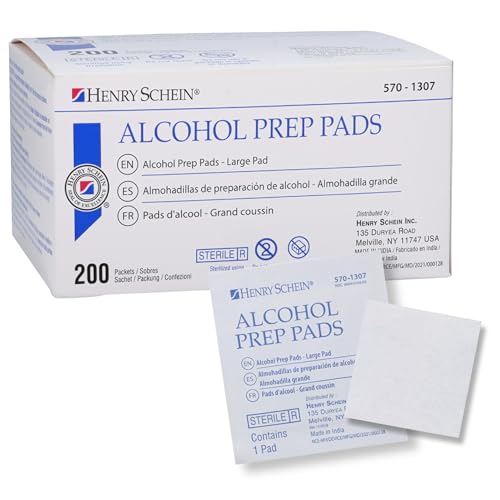
- Isopropyl alcohol wipes for tools
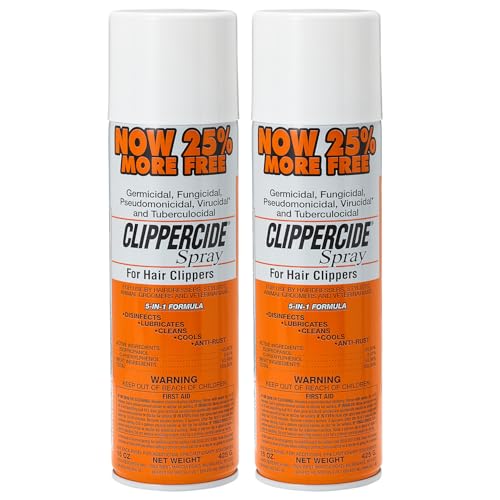
- Disinfectant spray for scissors
- Scissor oil lubricant
- Scissor blade cleaner solvent

Before You Start
Ensure the scissors are not in use and the blades are open before cleaning. Work in a well-ventilated area and avoid inhaling fumes from solvents. If the scissors have rust or corrosion, address it with a dedicated blade cleaner solvent before oiling. Keep blades away from children and wear eye protection if splashes are possible. Allow the tools to dry completely between steps to prevent moisture buildup.
Step-By-Step: How To Clean Scissors
- Inspect the scissors for dirt, residue, or rust. Open and close the blades to check for stiffness.
- Dip or wipe the blades with a isopropyl alcohol wipe for tools to remove oils and debris.
- Use the scissor cleaning brush to scrub along the blades and around the pivot, removing any stubborn grime.
- If residue persists, apply a small amount of scissor blade cleaner solvent to a cloth and wipe the blade surfaces, avoiding the tip near the cutting edge where possible.
- Wipe the pivot area with alcohol, then move the blades back and forth to distribute the solvent and dislodge hidden debris.
- Dry all surfaces completely with a clean cloth. Moisture can cause rust, especially on high-carbon steel blades.
- Apply a thin line of scissor oil lubricant to the pivot or between the blades where they meet. Open and close to spread the oil evenly.
- Wipe away any excess oil to prevent it from attracting dust or staining fabrics.
- If disinfection is needed, spray a light mist of disinfectant spray for scissors and let air-dry fully before storage.
- Store in a dry, clean container or on a dedicated hook to minimize moisture exposure.
- For regularly used kitchen shears, repeat cleaning weekly; for occasional tools, perform cleaning when blades feel dull or sticky.
- For stubborn rust, repeat the cleaning cycle or consider replacing the blades if performance deteriorates.
Troubleshooting
| Symptom | Likely Cause | Fix | Prevention |
|---|---|---|---|
| Stiff movement after cleaning | Residual solvent or corrosion | Wipe dry, re-apply a light oil | Dry thoroughly after cleaning; avoid moisture buildup |
| Blade sticking or rust | Moisture exposure | Scrub with blade cleaner solvent, dry, oil | Store in a dry place; wipe blades after use in humid environments |
| Edge dullness after cleaning | Excessive pressure or improper cleaning | Clean with soft brush; avoid aggressive scrubbing on the edge | Use proper blades for the task; maintain regular sharpening |
| Lubricant film residue | Too much oil | Wipe excess oil with lint-free cloth | Use small amounts of lubricant only |
Common Mistakes
- Using harsh solvents directly on the cutting edge
- Omitting drying steps after cleaning, leading to rust
- Over-lubricating the pivot, attracting dust
- Cleaning with abrasive materials that scratch blades
Tips For Best Results
- Perform cleaning on a soft mat to catch small parts and prevent loss of fasteners.
- Test a small blade area with solvent before full cleaning to gauge reaction.
- Maintain a routine: light cleaning after heavy use to extend blade life.
- Choose a scissor oil lubricant that matches blade material and usage to avoid buildup.
- If blades are color-labeled (non-stick coatings), follow manufacturer guidelines for cleaners.
Call A Professional
Seek professional help if you notice cracks in the blade, severe rust that cannot be buffered, or if the pivot is damaged and affects alignment. Do not attempt aggressive repairs that may compromise safety or blade integrity.
FAQ
Can I clean scissors with water?
Water can promote rust on metallic blades. Use isopropyl alcohol wipes and a dry cloth, followed by lubrication.
How often should I clean kitchen scissors?
Clean after heavy use or when residues become noticeable. For regular cooks, a quick wipe and oil every few uses helps.
Is disinfectant safe for all scissors?
Most household scissors tolerate mild disinfectants; always follow product directions and avoid soaking.
What’s the best way to store cleaned scissors?
Store dry, in a sheath or on a dedicated hook, away from moisture and contaminants.
Buying Guide
When choosing cleaning supplies and lubricants for scissors, consider size, material, and intended use. A compact scissor cleaning brush works well for small blades, while larger models benefit from a sturdier brush and a solvent-friendly cloth. For frequently used scissors, a long-lasting scissor oil lubricant can reduce maintenance intervals. Look for isopropyl alcohol wipes for tools that are lint-free and safe on metal. Ensure compatibility of cleaners with blade coatings, if present. A simple disinfectant spray adds hygiene without requiring disassembly. Finally, store tools in a dry, organized space to minimize corrosion and damage over time.