Keeping the scalp clean supports healthier hair growth and can reduce oiliness, itchiness, and buildup from styling products. This guide outlines simple steps, recommended tools, and best practices to effectively cleanse the scalp without over-washing or causing irritation.
Whether you prefer a manual brush, a silicone-based tool, or a powered massager, choosing the right method depends on hair type, scalp sensitivity, and daily routine. The following sections translate common questions into a clear, actionable plan that works for most American households.
Quick Answer
Choose a cleansing method based on your scalp needs: for oily or flaky scalps, a silicone bristle brush or wooden-handled brush can help exfoliate and remove buildup; for a gentler approach or sensitive skin, a waterproof electric scalp massager offers a soothing cleanse; always follow with a thorough rinse and light conditioner only on the hair tips.
What You’ll Need
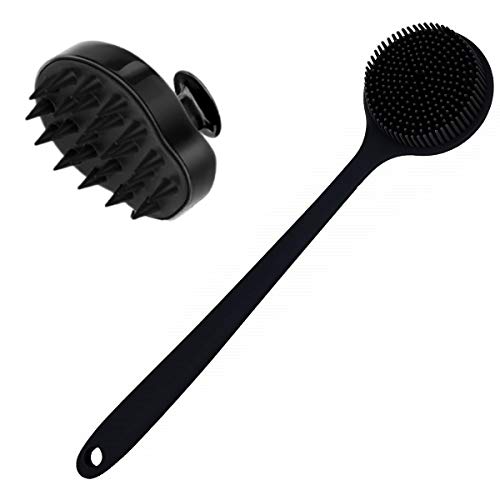
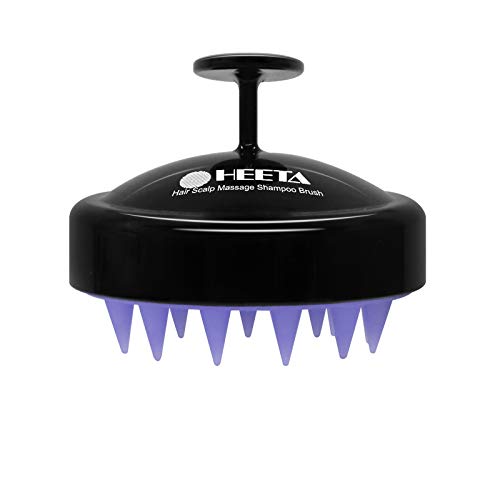
- Silicone scalp scrub brush with soft bristles for cleansing scalp
- Waterproof electric scalp massager device
- Scalp exfoliating brush with silicone bristles and long handle
- Wooden-handled scalp cleansing brush for oily scalp
- Detangling scalp brush with silicone bristles for scalp cleansing

Before You Start
Assess your scalp condition: avoid aggressive scrubbing if you have open sores, severe dermatitis, or a recent chemical treatment. Test any new tool on a small area first to check for irritation. Time estimate: 5–15 minutes per cleanse session, depending on method and hair length. Prepare a mild shampoo, lukewarm water, and a towel-dried workspace to prevent slips.
Step-By-Step: How To Clean Your Scalp
- Wet hair thoroughly with lukewarm water to open the pores and loosen buildup.
- Apply a small amount of shampoo and work it into the scalp using gentle circular motions with your chosen brush or massager.
- If using a silicone-bristle brush, avoid over-scrubbing and target the crown, back, and sides in separate passes.
- For electric scalp massagers, follow the manufacturer’s guidance on speed and duration, usually keeping sessions under 5–10 minutes.
- Rinse thoroughly, ensuring all shampoo residue is removed from the scalp and hair strands.
- Repeat if you notice lingering buildup or oiliness, then rinse again with clean water.
- Apply a light conditioner to the hair ends only; avoid applying conditioner to the scalp to prevent buildup.
- Gently blot excess water with a towel and let hair air-dry or use a low-heat dryer if needed.
- Store brushes in a dry area after drying to prevent microbial growth.
- Observe changes in scalp feel over the next few days; adjust brushing frequency if irritation occurs.
- For oily scalps, consider a weekly exfoliating brush routine; for sensitive scalps, reduce pressure and frequency.
- Pair cleansing with a healthy skincare routine to minimize oil transfer from the face to the scalp.
Troubleshooting
| Symptom | Likely Cause | Fix | Prevention |
|---|---|---|---|
| Redness after brushing | Too much pressure or harsh bristles | Use lighter pressure; switch to softer bristles | Test new brushes on forearm first |
| Persistent oiliness | Over-washing or scalp overproduction | Wash with cooler water and reduce wash frequency | Alternate with dry shampoo between washes |
| Itching or irritation | Allergic reaction or residue | Rinse thoroughly; switch to fragrance-free products | Patch-test products |
| Product buildup after use | Heavy styling products | Clarifying wash every 2–4 weeks | Choose lighter formulas |
Common Mistakes
- Using hot water that irritates the scalp
- Applying conditioner to the scalp and roots
- Over-brushing or aggressive scrubbing, especially with stiff bristles
- Not letting tools fully dry between uses
Tips For Best Results
- Rotate tools to match scalp needs: soft silicone bristles for daily cleansing, longer-handled tools for hard-to-reach areas
- Prioritize scalp-focused cleansing rather than hair-only washing
- Rinse with lukewarm water to maintain scalp moisture balance
- Clean brushes weekly with mild soap and water; air-dry completely
- For stubborn buildup, use a clarifying wash once a month
Call A Professional
Seek professional advice if you notice persistent redness, severe flaking, sores, or hair loss. Stop using any tool that causes persistent pain or irritation and consult a dermatologist or licensed trichologist for a personalized scalp care plan.
FAQ
How often should I clean my scalp?
Most people benefit from cleansing 2–3 times per week, adjusting based on oiliness, activity level, and hair type.
Can I use a scalp massager on wet or dry hair?
Typically use on wet hair with shampoo for best exfoliation; some models are designed for dry use but follow the manufacturer’s instructions.
Are silicone bristles better than natural bristles?
Silicone bristles are generally gentler and easier to clean, making them a popular choice for daily cleansing.
Is it normal to feel a tingling sensation?
A mild tingling can occur as the scalp responds to cleansing; if it becomes painful or persistent, discontinue use and consult a professional.
Should I exfoliate every time I wash?
Exfoliation frequency depends on scalp needs; 1–2 times per week is common for exfoliating brushes, while daily use may irritate sensitive scalps.
What if I have dandruff?
Consult a dermatologist for an appropriate treatment plan; consider medicated shampoos and gentle exfoliation if advised.
Buying Guide
When choosing a scalp-cleaning approach, consider size and grip, noise level for electric devices, energy efficiency, control options, and placement:
- Size and grip: Ensure the brush or massager fits comfortably in hand and reaches difficult areas without straining.
- Noise level: Waterproof electric scalp massagers vary; look for models with quiet operation if you prefer a discreet routine.
- Energy efficiency: Rechargeable devices with standby sleep modes save energy and extend usage between charges.
- Controls: Simple speed or intensity settings help tailor the cleanse to your scalp type.
- Placement: Long-handled tools help reach the crown and back of the head; consider storing options that keep tools dry between uses.
- Materials: Silicone bristles resist buildup and are easy to disinfect; wooden handles offer a traditional feel but require drying care.
- Compatibility with hair type: Oily scalps may benefit from stronger exfoliation tools; sensitive scalps require softer bristles and gentler pressure.
Additionally, compare models by how they pair with your current shampoo routine and whether they come with a water-resistant design for use in the shower. For many, a combination approach—manual silicone-bristle brush for daily cleansing and a waterproof massager for weekly deeper exfoliation—offers balanced results. If in doubt, start with a gentler option and monitor scalp response over a few weeks.