Rumpl blankets blend comfort with outdoor durability, but keeping them clean requires attention to fabric and care. This guide provides step-by-step instructions, gear recommendations, and common-sense tips to preserve color, texture, and warmth without damaging the nylon shell or insulation.
Whether you’re tackling a muddy campsite blanket or a dusty car-ride throw, following a thoughtful cleaning routine will extend the life of your Rumpl and keep it smelling fresh.
Quick Answer
Best practice is to spot-clean minor stains, wash only when needed, use a gentle cycle with cold water, and air-dry flat away from direct heat. For stubborn odors, a targeted odor eliminator spray can help between washes. Avoid bleach and high heat to protect the nylon and insulation.
What You’ll Need
- Outdoor gear wash detergent for nylon insulated blankets
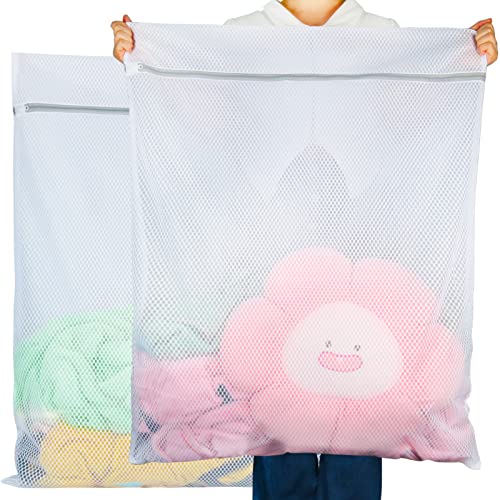
- Oversized laundry washing bag for blankets
- Nylon fabric clothes brush for outdoor blankets
- Microfiber cleaning cloth set for synthetic blankets
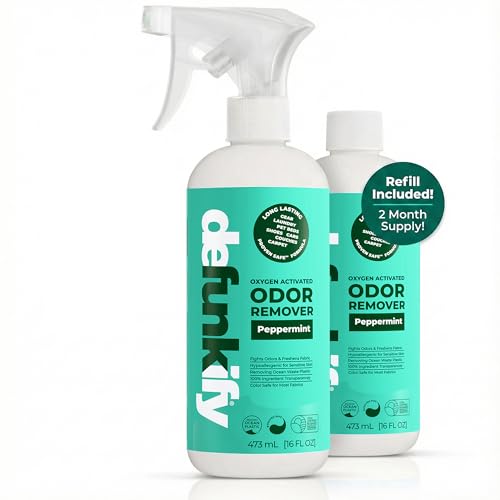
- Odor eliminator spray for performance fabric quilts

Before You Start
Prepare a clean workspace and decide between spot-cleaning or a full wash. Check care labels and test any cleaner on a hidden area before full application. Use cold water to protect the nylon shell and insulation. Time estimate: 1–2 hours including dry time. If the blanket is deeply soiled or heavily stained, consider a second wash cycle.
Safety note: keep cleaners away from skin and eyes, and avoid mixing products that aren’t compatible with synthetic fabrics.
Step-By-Step: How To Clean A Rumpl Blanket
- Inspect the blanket for loose seams, tears, or thinning spots before washing. Address repairs if needed to prevent further damage during cleaning.
- Perform a spot-clean for fresh stains using a small amount of outdoor gear wash detergent on a microfiber cloth, then rinse with a damp cloth. Repeat as necessary and blot dry with a clean microfiber cloth.
- If a full wash is required, place the Rumpl blanket in an oversized laundry washing bag for blankets to evenly distribute weight and reduce wear during the wash cycle.
- Set the washing machine to a gentle cycle with cold water and use a small amount of the recommended detergent designed for nylon insulated fabrics.
- Avoid fabric softeners, bleaches, or high heat as these can degrade the nylon and insulation over time.
- After washing, run a brief rinse cycle to remove any detergent residue that could irritate the fabric or affect performance on damp days.
- Remove the blanket promptly and press out excess water with a clean towel. Do not wring or twist the fabric, which can distort the insulation.
- Air-dry the blanket flat or on a clean surface away from direct sunlight or heat sources. If possible, use a low-heat setting on a dryer for a short, monitored tumble-free dry, stopping when the blanket is still slightly damp to prevent overheating.
Troubleshooting
| Symptom | Likely Cause | Fix | Prevention |
|---|---|---|---|
| Persistent odor after washing | Odor trapped in insulation | Apply odor eliminator spray for performance fabric quilts to targeted areas, then air out | Wash at least every 3–6 months, dry completely |
| Stiff fabric or feel after wash | Detergent residue or over-drying | Run extra rinse cycle; avoid over-drying; consider a quick re-wash with minimal detergent | Use recommended amount of detergent |
| Color fading on edges | Sun exposure or harsh detergents | Clean in shade, use cold water, report wear | Store away from prolonged sun exposure |
| Insulation bunching or clumping | Uneven distribution during wash | Re-distribute by hand during drying; shake gently | Avoid overloading the washing bag |
Common Mistakes
- Using hot water or high heat in the dryer, which damages nylon and insulation
- Using bleach or harsh detergents that degrade fabric integrity
- Washing without a protective bag on large blankets, which increases wear
- Skipping the extra rinse cycle, leaving detergent residues behind
Tips For Best Results
- Spot-clean promptly after outdoor use to limit deep stains
- Store clean blankets in a breathable container or bag to prevent musty odors
- Test any odor eliminator spray on a hidden corner before broad use
- Brush off loose dirt with a nylon fabric clothes brush before washing to reduce grime
- Rotate washing with care to prevent repeated exposure to heat and friction
Call A Professional
Consider professional cleaning if the blanket has significant staining, persistent odors, or if care instructions indicate specialized cleaning. Stop and contact a professional if you notice: visible fabric damage, stitched seams opening, or insulation leakage that could worsen with washing.
FAQ
Can I wash my Rumpl blanket in a standard washing machine?
Yes, on a gentle cycle with cold water and a detergent formulated for nylon insulated fabrics.
Should I use fabric softener on my Rumpl blanket?
No. Fabric softeners can affect the fabric’s performance and breathability.
How do I remove tough stains from nylon insulation?
Spot-clean with a targeted cleaner and repeat as needed; avoid vigorous scrubbing that can fray fibers.
Is it okay to tumble dry Rumpl blankets?
Air-drying is preferred, but a low-heat, short tumble can be used if monitored closely and the blanket remains mostly damp.
How often should I clean my Rumpl blanket?
Clean as needed based on use; a light wash every few months is typical for outdoor use, with spot-cleaning between wash cycles.
Buying Guide
When shopping for a cleaner routine and accessories for Rumpl blankets, consider size, noise level, energy efficiency, controls, and placement. For size, ensure the washing bag is large enough to accommodate the blanket without compression. Noise considerations matter if you wash in a shared space; choose low-noise detergents and gentle cycles. Energy efficiency relates to water temperature and duration of cycles—cold water saves energy and protects fabric. Controls should be simple: clear cycle options, temperature control, and a reliable rinse option. Finally, plan placement for drying: a well-ventilated area away from direct sunlight helps preserve color and insulation. Do you need a complete washing system or a minimal, travel-friendly kit? The right setup depends on how often you clean and where you store your Rumpl between uses.