Rubber slippers are a practical, easy-to-clean footwear option for daily wear. This guide walks through simple, safe methods to remove dirt, stains, and odors while protecting the material. Readers will learn step-by-step techniques and gauge when to use specific cleaning tools to extend the life of rubber footwear.
Quick Answer
For quick cleaning, rinse with warm water, scrub gently with a nylon-bristle brush, wipe dry with a microfiber cloth, and air-dry completely. For stubborn grime, soak briefly in soapy water and repeat. Avoid harsh chemicals that can degrade rubber over time.
What You’ll Need
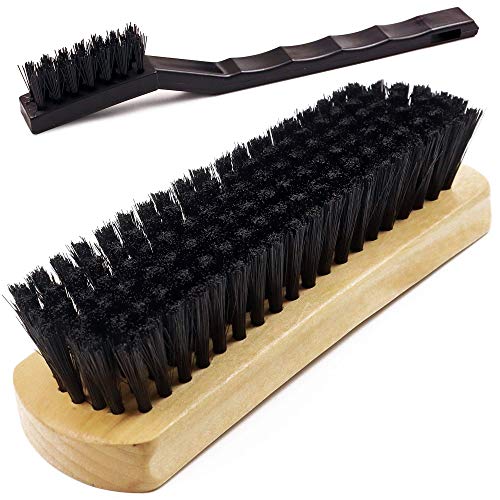
- Rubber slipper cleaning brush nylon bristles
- Electric shoe cleaner brush for slippers
- Microfiber shoe cleaning cloth for rubber slippers
- Scrub brush for rubber footwear nylon bristles
- Slipper cleaning kit with brush and wipe


Before You Start
Check for any cracked soles or loose components before cleaning. Use lukewarm water and mild soap to avoid damaging the rubber. Protect surrounding surfaces from splashes, and allow slippers to dry completely in a well-ventilated area. Keep away from direct heat sources to prevent warping. Time estimate: 10–20 minutes typically, longer for heavily soiled pairs.
Step-By-Step: How To Clean Rubber Slippers
- Remove loose dirt by tapping or brushing the slippers with a dry brush.
- Rinse under lukewarm water to loosen surface grime and prep for cleaning.
- Mix a small amount of mild soap with water in a basin.
- Dip the nylon-bristle brush into the soapy solution and scrub the upper, sides, and footbed gently.
- For stubborn stains, let the slippers soak for 5–10 minutes, then re-scrub.
- Rinse thoroughly with clean water to remove all soap residue.
- Pat dry with a microfiber shoe cleaning cloth and remove excess moisture.
- Air-dry completely in a ventilated area away from heat or sunlight.
- Check for remaining odors; repeat cleaning if needed.
- Lightly buff the surface with a dry microfiber cloth to restore texture.
- Store in a cool, dry place once fully dry.
Troubleshooting
| Symptom | Likely Cause | Fix | Prevention |
|---|---|---|---|
| Persistent odor | Moisture or trapped bacteria | Re-clean with soap and warm water; dry completely | Allow full air-dry after each wear |
| Discoloration on sole | Stains from outdoor grime | Gently scrub with mild soap; repeat | Rinse after outdoor use |
| Rubber feels tacky | Soap residue or heat exposure | Rinse thoroughly; wipe dry | Avoid leaving in direct sun |
| Worn-out tread areas | Extensive wear | Inspect for replacement or repair options | Rotate footwear to minimize wear |
Common Mistakes
- Using harsh solvents or ammonia on rubber, which can degrade elasticity.
- Washing in hot water that can warp the shape of slippers.
- Neglecting to dry completely, leading to mold or odor.
- Scrubbing too aggressively, causing surface scuffs.
Tips For Best Results
- Use a dedicated nylon-bristle brush to avoid scratching delicate areas.
- Pair a microfiber cloth with a gentle soap solution for quick touch-ups.
- For everyday cleaning, a quick rinse and wipe will suffice between wears.
- If slippers are laboratory-tested or food-service safe, follow specific product guidelines for cleaning.
Call A Professional
Consider a professional cleaning if slippers have deep embedded stains, persistent odors after multiple cleanings, or visible damage to the rubber. Seek help if seams or soles separate or if water cannot be absorbed or drained correctly.
FAQ
Can I machine wash rubber slippers?
Machine washing is generally not recommended as it may deform the rubber or loosen construction.
What soap is best for cleaning rubber slippers?
Use mild dish soap or a gentle laundry detergent diluted in water to avoid harsh residues.
How long should slippers air-dry?
Allow full air-drying for at least several hours, preferably overnight in a shaded area.
Will cleaning restore slipper grip?
Cleaning helps remove grime that reduces grip; if tread is worn, consider renewal or replacement.
Buying Guide
When choosing tools and accessories to clean rubber slippers, consider size and design, noise level, and ease of use. The focus is on safe, effective cleaning methods that preserve elasticity and color of rubber without harsh chemicals. Readers may compare different brush types, cloth textures, and cleaning kits to find a setup that fits daily routines and storage space. A compact kit with a brush and wipe set is convenient for travel, while a larger nylon-bristle brush can handle heavier grime at home. Look for components that are durable, washable, and safe for rubber materials.
Additional Buying Considerations
- Size and ergonomics: Choose a brush with a comfortable grip to reduce fatigue during cleaning.
- Materials: Nylon bristles are effective for rubber without scratching; avoid stiff or metal brushes.
- Ease of maintenance: Opt for tools that are easy to rinse and quick-dry.
- Portability: A compact slipper cleaning kit is ideal for travel or small spaces.
- Compatibility: Ensure cloths and wipes are suitable for rubber footwear and won’t leave residues.
- Durability: Reusable brushes and cloths last longer and reduce waste.