Pyrex glass bakeware is prized for its durability and non-porous surface, which makes cleaning relatively straightforward. This guide provides practical steps, safe cleaning methods, and maintenance tips to keep Pyrex looking like new without scratches or dulling of the finish.
Quick Answer
For routine cleaning, rinse with warm water, wash with a mild dish soap, scrub gently, and dry thoroughly. For stubborn stains or residue, use a gentle scrubber and a baking soda paste. Avoid abrasive cleaners or metal scrubbers that can scratch the glass.
What You’ll Need
- non-scratch silicone scrubber for Pyrex glass bakeware
- nylon dish brush soft bristles for glass bakeware cleaning
- microfiber cleaning cloth for Pyrex glass bakeware
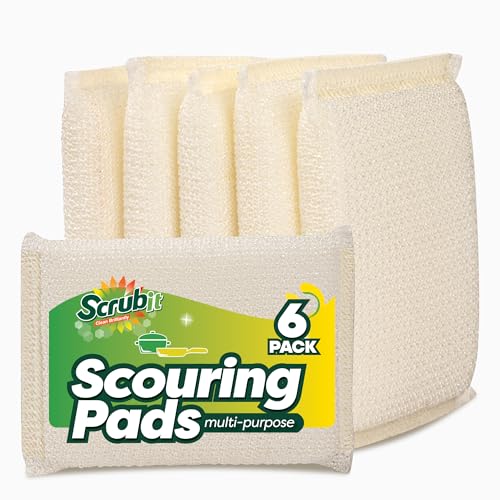
- scrubbing sponge with soft pad for glass bakeware Pyrex
- baking soda paste cleaning kit for Pyrex glassware


Before You Start
Before cleaning, ensure the bakeware is cool to touch. Sudden temperature changes can cause glass to crack. If there are baked-on residues, soak the piece in warm, soapy water for 15–30 minutes to soften. Never place hot Pyrex directly into cold water, and avoid using abrasive cleaners or metal scrubbers that could scratch the surface. Plan for about 10–20 minutes for routine cleaning, and up to 30–40 minutes for heavy residue removal.
Step-By-Step: How To Clean Pyrex Glass Bakeware
- Rinse the dish under warm running water to remove loose debris and reduce friction during washing.
- Apply a small amount of mild dish soap to a nylon dish brush soft bristles for glass bakeware cleaning or a non-scratch silicone scrubber for Pyrex glass bakeware.
- Gently scrub the interior and exterior surfaces in circular motions, focusing on stained or greasy areas.
- If food remains cling to the glass, fill the dish with warm water and a splash of dish soap, then let it soak for 10–15 minutes.
- For stubborn stains, create a paste with baking soda and a small amount of water, apply to the stain, and scrub with a soft pad sponge or silicone scrubber.
- Rinse thoroughly with warm water until all soap and residue are removed.
- Dry with a microfiber cleaning cloth for Pyrex glass bakeware or air-dry completely on a rack before storing.
- Inspect for any remaining residue; repeat the gentle scrub if necessary, avoiding aggressive tools that can scratch the glass.
- Store clean bakeware in a dry, well-ventilated area to prevent moisture buildup and odors.
Troubleshooting
| Symptom | Likely Cause | Fix | Prevention |
|---|---|---|---|
| Opaque streaks or cloudiness | Soap residue or hard water minerals | Re-wash with warm water and a small amount of white vinegar, then rinse well | Rinse thoroughly after washing; dry promptly |
| Stubborn baked-on grease | Heavy residue accumulated over time | Soak longer, use baking soda paste with a soft pad | Soak after large meals to reduce buildup |
| Scratches after washing | Abrasive tools or harsh cleaners | Switch to non-scratch silicone or nylon brushes | Avoid metal scouring pads |
| Discoloration from food dyes | Deep staining from colorful sauces | Apply baking soda paste, let sit, then scrub gently | Rinse promptly after use of highly pigmented foods |
Common Mistakes
- Using abrasive cleaners or metal scrubbers on Pyrex
- Rapid temperature changes, such as placing hot bakeware into cold water
- Leaving residues to dry on the surface, which can cause staining
- Overlooking soaking time for heavily baked-on foods
By avoiding these missteps, Pyrex surfaces stay clear and glossy with minimal effort.
Tips For Best Results
- Gently pre-soak to loosen stuck-on food before scrubbing
- Use a soft-bristle brush or silicone scrubber to protect the glass
- A microfiber cloth dries faster and reduces water spots
- For long-term maintenance, occasional baking soda paste provides mild whitening and stain removal
Call A Professional
Professional cleaning is rarely necessary for Pyrex. Seek help if the piece shows cracks, chips, or if resale value is a concern due to visible damage. Do not use repaired or compromised bakeware for cooking or serving food, as structural flaws can worsen with heat.
FAQ
Can I put Pyrex in the dishwasher?
Most Pyrex glass bakeware is dishwasher safe, but hand washing is gentler and helps prevent rough handling that can cause chips over time.
What should I do about stubborn stains?
Apply a baking soda paste and let it sit briefly before scrubbing with a soft sponge or brush, then rinse thoroughly.
Is it safe to soak Pyrex overnight?
Soaking overnight is generally safe for tough residues, but avoid leaving for extended periods with acidic cleaners that could affect the surface over time.
Can high heat cause Pyrex to crack during cleaning?
Rapid temperature changes pose the risk; always let hot dishes cool before washing with warm or room-temperature water.
What cleaning method protects the finish best?
Use mild soap, warm water, and soft tools; avoid abrasive pads and harsh chemicals to preserve clarity.
Buying Guide
Choosing the right Pyrex cleaning setup involves several factors that impact performance and ease of maintenance. This guide covers size, noise level, energy efficiency, controls, and placement considerations to help selecting compatible tools and routines.
Size And Fit
Pyrex bakeware comes in various sizes, from small casserole dishes to large baking pans. When pairing cleaning tools, larger pieces benefit from longer-handled brushes or sponges, while small bowls require compact scrubbers to reach corners.
Surface Care And Material Compatibility
Stick to non-scratch silicone scrubbers, nylon soft-bristled brushes, microfiber cloths, and baking soda pastes for safe cleaning. Avoid metal scouring pads that can scratch glass and void warranties.
Noise And Handling
Soft-bristle tools tend to be quieter and gentler on glass surfaces. If nighttime cleaning is common, select quiet cleaning tools and a microfiber cloth for quick wipe-downs to minimize noise.
Energy And Water Use
Efficient cleaning uses warm water and minimal soap. A soaking step reduces elbow grease, saving both time and water. Reusing a lightly damp microfiber cloth can cut down on running water needs during routine cleanups.
Controls And Convenience
Simple, well-made brushes with ergonomic handles improve control and reduce effort. Consider storage options that keep tools dry and organized near the sink to speed up routine cleanups.
Placement And Storage
Store Pyrex pieces in a dry cabinet or on a shelf with space between items to prevent chipping during air-drying. Keep cleaning tools within arm’s reach for faster cleanups after use.
With careful handling and the right tools, Pyrex glass bakeware remains clear, bright, and reliable for many meals. The combination of gentle cleaning methods, appropriate tools, and preventive care helps maintain clarity and extend the life of each piece.