Keeping a puffer jacket clean extends its life and preserves the loft that insulates warmth. This guide provides practical, step-by-step instructions for American households, focusing on common materials, safe detergents, and simple tools that help maintain a like-new appearance without damaging the fabric or insulation.
Quick Answer
For most down or synthetic-filled puffers, wash on a gentle cycle with a dedicated down jacket detergent, use a washing bag to protect the shell, and air dry flat or tumble dry on low with clean tennis balls to restore fluff. Spot-clean stains with a puffer jacket stain remover pen, and touch up wrinkles with a fabric steamer. A lint roller helps keep the outer look neat between washes.
What You’ll Need
Before you start, gather these items. They’re the core tools that make the process effective and safe for the jacket’s insulation.
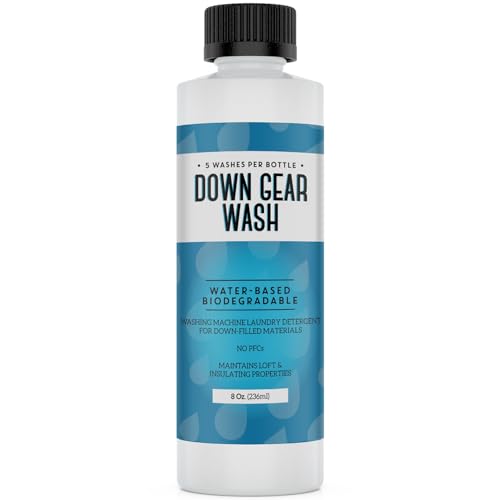
- Down jacket detergent gentle formula for washing machine
- Washing bag for puffer jacket
- Puffer jacket stain remover pen
- Lint roller for down jacket care
- Fabric steamer for puffer jacket


Before You Start
Check the care label on your jacket for specific instructions, as some puffers have water-repellent coatings or mixed fills. Test any stain remover on a hidden area first. Use cold or warm water as recommended; hot water can damage natural down and synthetic fills. Safety notes: avoid chlorine bleach, and never iron directly on the fabric. Plan for a few hours of air drying time, as heat sources can clump or damage the filling.
Cautions: Do not overload the washing machine; use a gentle cycle with a low spin. Ensure zippers and buttons are closed and pockets emptied to prevent snags. If the jacket is heavily soiled or has mold or musty odors, consider a professional cleaning option.
Step-By-Step: How To Clean A Puffer Jacket
- Inspect and spot-clean: Check for spots and remove loose dirt with a lint roller, then use the puffer jacket stain remover pen on stained areas following the product directions.
- Prepare for washing: Close all zippers and fasteners, turn the jacket inside out, and place it in the washing bag for protection.
- Choose the right detergent: Use a down jacket detergent gentle formula for washing machine. Avoid regular detergents that can strip oils from the insulation.
- Run a gentle wash: Wash on a delicate or gentle cycle with cold water, using a small amount of detergent. If your machine has a “extra rinse” option, enable it.
- Rinse and check: After the cycle, run an additional rinse to ensure all soap is removed, which helps prevent stiffness and static.
- Drying preparation: Remove the jacket from the machine and gently press out excess water. Do not wring or twist.
- Drying method: Tumble dry on low heat with clean tennis balls or dryer balls to redistributed loft. Periodically check and break up clumps to maintain even insulation.
- Fluff and finish: Once fully dry, use a fabric steamer for light wrinkles and to refresh the fabric surface without applying heat directly to any saturated areas.
- Guard against new stains: After drying, wipe the exterior with a damp cloth if needed and use the lint roller for a quick clean-up between wears.
- Storage tips: Store the jacket in a breathable garment bag or loosely on a hanger to maintain loft and prevent moisture buildup.
- Maintenance routine: Regular spot-cleaning and periodic washing, following the label, helps keep the jacket looking and performing well without compromising insulation.
Troubleshooting
| Symptom | Likely Cause | Fix | Prevention |
|---|---|---|---|
| Clumped insulation after wash | Moisture trapped in filling | Run extra rinse cycle and dry with dryer on low heat with tennis balls | Don’t overload washer; use proper detergent |
| Stubborn stains persist | Insufficient pre-treatment | Reapply puffer jacket stain remover pen and rewash | Pre-treat stains promptly |
| Fabric feels stiff or crunchy | Soap residue | Extra rinse and a second wash cycle | Use minimal detergent; avoid overdosing |
| Odor remains | Moisture retention or mold risk | Air dry thoroughly; consider a wash with a touch of detergent designed for odor control | Store dry and ventilated |
Common Mistakes
- Using hot water or high heat during washing or drying, which damages insulation.
- Overloading the washing machine, leading to poor cleaning and clumping of fill.
- Skipping the extra rinse, leaving detergent residues that attract dirt.
- Neglecting to use a washing bag or protective layer for delicate shells.
- Ignoring label directions; different fills may require special care.
Tips For Best Results
- Choose a detergent labeled specifically for down or synthetic insulation. This helps preserve loft and warmth.
- Use a washing bag for added protection during machine cycles, especially for delicate shell fabrics.
- Dry with tennis balls or dryer balls to restore fluff and discourage clumping.
- Spot clean frequently with a lint roller to reduce the need for frequent full washes.
- Store in a breathable cover and avoid compressed shelving that can crush the insulation over time.
Call A Professional
Seek professional cleaning if the jacket has persistent odors, staining that resists home treatments, or visible water staining after cleaning. Stop and contact a pro if the fabric shows signs of tearing, seam separation, or unusual shrinking after initial attempts.
FAQ
Can I wash a puffer jacket in a standard washing machine?
Yes, with a gentle cycle and a down-specific detergent, inside a washing bag to protect the jacket.
How do I dry a puffer jacket without damaging the loft?
Use a low heat setting and add dryer balls to help redistribute the filling evenly as it dries.
What is the best way to remove oil or sweat stains?
Apply a stain remover pen to the affected area, then wash as recommended for down jackets.
How often should I clean a puffer jacket?
How often you clean depends on use and staining; spot-clean regularly and wash when needed to maintain loft and insulation.
Is it safe to iron a puffer jacket?
No, avoid direct heat from irons; use a fabric steamer to refresh wrinkles without risking heat damage.
Should I dry-clean my puffer jacket?
Dry cleaning is an alternative if the jacket has tough stains or delicate waterproofing, but read the care label first.
Buying Guide
When selecting a puffer jacket, consider several factors that influence cleaning ease, longevity, and performance. Size matters in terms of layering and movement, while insulation type and fill power determine warmth and loft retention after cleaning. Noise level and energy efficiency are less relevant for jackets but reflect overall design quality in some models with integrated features or hoods. For cleaning, assess fabric care compatibility and whether the jacket supports machine washing with a gentle detergent. Consider placement: a breathable closet with ample air flow helps prevent musty odors after cleaning. Finally, review warranty terms, care instructions, and whether the jacket can tolerate regular washing without losing insulation or shell integrity.