Maintaining a clean toilet is essential for bathroom hygiene and overall home freshness. This guide walks American users through a practical, step-by-step approach using common cleaning tools and products. The goal is to make the process straightforward, safe, and fast, so a sparkling toilet becomes part of the regular cleaning routine.
Quick Answer
Fast method: Clear the bowl, apply a gel cleaner, scrub with a toilet brush, wipe the exterior, and flush. For stubborn stains, let the cleaner sit longer or use a toilet cleaning wand with refills for targeted application. Always finish with disposable wipes for a thorough, sanitary surface.
What You’ll Need
- Toilet brush with holder
- Toilet cleaning wand refill packs
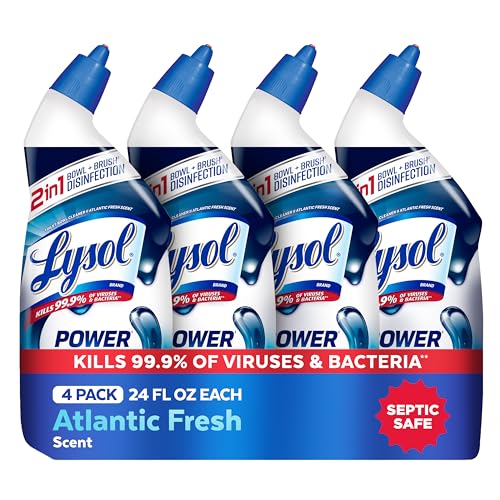
- Toilet bowl cleaner gel spray
- Toilet plunger with flange
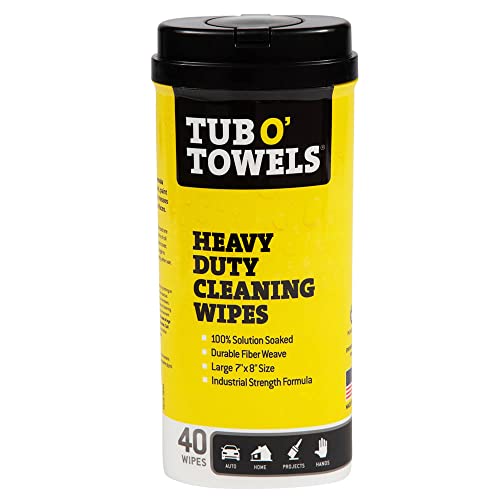
- Disposable toilet cleaning wipes canister

Before You Start
Before cleaning, ensure the bathroom is well ventilated. Wear gloves to protect skin and consider turning off the water supply if performing a deeper clean. Clear items from the floor around the toilet to avoid splashes. Time estimate: 10–20 minutes for a standard clean, longer for stubborn stains or heavy use. Critical cautions: Do not mix cleaners with bleach or ammonia, and never use abrasive tools on delicate porcelain surfaces.
Step-By-Step: How To Clean A Toilet Effectively
- Remove the bathroom rug or lay a protective mat to catch drips and keep nearby surfaces dry.
- Apply toilet bowl cleaner gel spray inside the bowl, aiming under the rim. Let it sit for 5–10 minutes to loosen mineral deposits and grime.
- While the cleaner works, wipe the exterior surfaces with disposable toilet cleaning wipes canister to remove dust and fingerprints from the tank, handle, and lid.
- Use the toilet brush with holder to scrub the bowl thoroughly, focusing on stains below the waterline and around the siphon jets. Scrub in a circular motion with steady pressure.
- Flush once to rinse the interior. For persistent stains, reapply cleaner and repeat the scrubbing, letting it sit a bit longer if needed.
- Clean the rim and under the rim’s edge, where bacteria and lime buildup often accumulate. A second pass with cleaner can improve results.
- Wipe the exterior again with a fresh disposable wipe, paying attention to the handle, flush lever, and base to remove splashes and splatter.
- If the toilet is clogged or slow to flush, use the toilet plunger with flange to clear the drain, following manufacturer guidance for proper technique.
- Rinse and dry surrounding surfaces with a clean cloth or wipe to prevent water spots on the floor and nearby walls.
- Return items to their places, and store cleaning products safely out of reach of children and pets.
- For ongoing maintenance, schedule a quick weekly wipe-down and a deeper clean every two weeks or as needed.
- Dispose of used wipes properly in the trash and not in the toilet to avoid clogs.
Troubleshooting
| Symptom | Likely Cause | Fix | Prevention |
|---|---|---|---|
| Stains persist after cleaning | Mineral deposits or hard water buildup | Reapply gel cleaner and let sit longer; use a toilet cleaning wand refill for targeted spots | Regular weekly cleaning | Consider a descaling product if water is very hard |
| Unpleasant odor after cleaning | Residual residue or mold around the base | Wipe thoroughly with disinfecting wipes; clean floor around base | Keep the area dry; rinse spills promptly |
| Clog or slow flush | Partial blockage | Use toilet plunger with flange; if unresolved, call a professional | Avoid flushing non-flushable items |
| Scratches on porcelain | Harsh scrubbing or abrasive tools | Switch to softer brushes; use gentler scrubbing motions | Use mild cleaners and avoid steel wool |
Common Mistakes
- Using bleach with ammonia or mixing different cleaners, which can create harmful fumes
- Scrubbing too aggressively and scratching the porcelain surface
- Neglecting the exterior surfaces, which harbor germs and odors
- Skipping the flush after applying cleaner, reducing cleaning effectiveness
- Forgetting to replace refill packs and using worn brushes that harbor bacteria
Tips For Best Results
- Let cleaner sit longer on tough stains for a deeper clean, especially in areas with mineral buildup
- Coordinate cleaning with bathroom maintenance to minimize disruption and ensure you have fresh wipes and refills
- Store cleaning products in a cool, dry place away from children and pets
- Use a dedicated toilet cleaning wand with compatible refill packs for quick touch-ups
- Sanitize the brush holder periodically to prevent odor buildup
Call A Professional
Stop and seek professional help if any of the following occur: persistent clogs despite plunger use, frequent overflows, unusual odors even after cleaning, or visible leakage around the base. A plumber can assess supply lines, wax ring integrity, and drainage issues that DIY steps cannot safely resolve.
FAQ
How often should I clean the toilet?
Most households benefit from a full clean once a week, with quick exterior wipes daily and targeted deep cleaning every two weeks.
Can I use dish soap to clean the toilet?
Dish soap is not ideal for toilet bowls. Use products designed for toilet cleaning to avoid residue and ensure proper disinfection.
Is it necessary to wear gloves?
Gloves protect skin from cleaners and bacteria and are recommended for most cleaning sessions.
What if I have hard water stains?
Use a gel bowl cleaner that targets mineral buildup and let it sit longer. A descaling rinse can help over time.
Buying Guide
When selecting toilet cleaning tools and products, consider size, noise, energy efficiency, and placement to fit your bathroom layout and cleaning routine.
- Toilet brush with holder: Choose a model with a secure lid, sturdy bristles, and a compact footprint that fits under the sink or in a corner.
- Toilet cleaning wand refill packs: Look for compatible refills that deliver even coverage and are easy to swap. Consider a wand with a quick-release cartridge.
- Toilet bowl cleaner gel spray: Opt for gels that cling to surfaces for longer contact time and effective stain removal. Fragrance is optional but can help with odor control.
- Toilet plunger with flange: A flange improves seal and effectiveness on typical American toilets. Ensure the handle is comfortable for solo use.
- Disposable toilet cleaning wipes canister: Choose towelettes that are strong, disposable, and formulated for bathroom surfaces. Keep a canister where you clean for quick touch-ups.
How loud is cleaning equipment? Consider models labeled as quiet or designed for residential use if noise is a concern. For energy efficiency, most cleaning products do not consume energy, but powered devices like electric wands or vacuums around the bathroom may.
Placement matters: store supplies within reach but away from children. A mounted holder near the toilet keeps brushes clean and accessible, while a small cabinet or shelf works well for cleaners and wipes.