Keeping pool table felt clean helps maintain ball roll accuracy, extends the felt’s life, and preserves the table’s appearance. This guide walks through practical cleaning methods using common pool table care tools and dedicated felt cleaners. It focuses on safe techniques that minimize wear while removing dust, chalk, and spills.
Quick Answer
Best quick method: run a soft-bristled brush or a dedicated pool table cleaning brush over the felt in a single direction, then use a vacuum designed for billiard tables or a lint roller for stubborn debris. For deeper cleansing, employ a billiard table felt cleaner kit according to the manufacturer instructions, and follow with a light brush to restore nap.
What You’ll Need
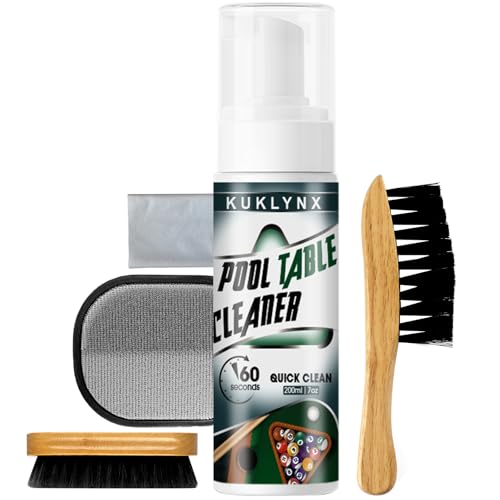
- Billiard pool table cleaning brush set
- Pool table felt vacuum cleaner
- Billiard table felt cleaner kit
- Pool table cleaning brush with soft bristles
- Electric vacuum for billiard table felt


Before You Start
Before cleaning, remove objects from the table and disconnect any vacuum tools if they are not designed for delicate felt. Place a soft protective cloth around nearby surfaces to catch dust. Time estimate: 10–30 minutes for routine cleaning; longer for deep upkeep. Caution: avoid soaking the felt or applying liquids directly to the surface, as moisture can cause staining and warping. If the table is in a humid environment, allow it to acclimate and dry completely before play.
Step-By-Step: How To Clean Pool Felt
- Dust the surface with a pool table cleaning brush with soft bristles in even, overlapping strokes from one end to the other.
- Gently lift embedded chalk dust with the brush, working along the felt nap rather than across it to preserve nap direction.
- If using a vacuum, set it to the lowest suction suitable for delicate textiles and use a electric vacuum for billiard table felt with a brush attachment.
- For stubborn debris, use a billiard pool table cleaning brush set to comb the nap upward and loosen particles before vacuuming again.
- Apply a minimal amount of cleaner from a billiard table felt cleaner kit only as directed by the product, testing on a small inconspicuous area first.
- Wipe away any liquid residue with a dry cloth and allow the felt to air dry completely before reseating the felt or playing again.
- Re-brush the nap in the same direction after cleaning to restore uniform texture and roll consistency.
- Inspect edges and pockets for trapped debris; remove gently with a soft brush or cloth to prevent buildup.
- Schedule routine cleanings after every few plays or as dust accumulates, performing a deeper clean monthly or quarterly for heavy use rooms.
- Store cleaning tools in a dry, dust-free area to maintain their effectiveness for the next session.
- For performance problems tied to dirt, verify the table’s level and contact a professional if you notice persistent irregular ball movement.
Troubleshooting
| Symptom | Likely Cause | Fix | Prevention |
|---|---|---|---|
| Nap looks matted after cleaning | Missed debris or over-brushing | Gently brush in the same direction with a softer stroke | Regular light cleanings |
| Stains after cleaning | Moisture or liquid contact | Dry thoroughly; avoid liquids directly on felt | Keep drinks away from table |
| Dust quickly returns | Ambient dust and fibers near the table | Vacuum with low suction and keep room humidity steady | Air purifier or humidifier as needed |
| Edged felt frays | Rough handling or aggressive brushing | Use soft bristles and minimal pressure | Proper storage of brushes and kits |
Common Mistakes
- Using heavy liquids or soaking the felt during cleaning.
- Brushing against the nap direction, which can damage texture.
- Over-suction with a vacuum, causing fiber pull and thinning.
- Neglecting pockets and rail corners where chalk dust gathers.
Tips For Best Results
- Clean in a well-ventilated area to minimize crowding dust back onto the felt.
- Work in consistent patterns and maintain nap direction for uniform rolls.
- Choose tools with soft bristles and avoid stiff brushes that abrade the fabric.
- Rotate cleaning tools between sessions to prevent wear on a single area of the felt.
- Use a dedicated pool table vacuum or electric vacuum designed for felt to reduce fiber damage.
Call A Professional
Hire a professional billiard table technician if you notice persistent staining, warping, or nap damage after routine cleaning. Stop cleaning if the felt shows visible tears, puckering, or looseness around rails. Seek expert assessment when moving parts of the table or if you suspect structural issues affecting play quality.
FAQ
What is the best tool to clean pool felt?
The best approach combines a soft-bristle brush and a vacuum designed for billiard tables to remove dust without damaging nap.
Can I use water on pool table felt?
Water should generally be avoided directly on felt; use only manufacturer-approved cleaners and test on a small area first.
How often should pool felt be cleaned?
Light, frequent cleaning after play is recommended; more thorough cleans monthly or quarterly depending on usage and environment.
Why does felt wear out quickly?
Excessive brushing, harsh cleaning products, or spills can accelerate wear; use gentle tools and proper cleaners.
Buying Guide
When selecting cleaning tools for pool felt, consider size and reach to cover large tables, the softness of bristles to protect nap, and compatibility with your vacuum. Face considerations like noise level for quiet environments and energy efficiency for running vacuums during longer sessions. Look for sets that include multiple brushes, a dedicated felt cleaner, and a compatible vacuum attachment. Placement matters too: store tools in a dry closet away from direct sunlight to prevent fabric drying or discoloration. Compare different bundle options to cover routine maintenance and occasional deep cleans without duplicating tools.