Maintaining a clean pool deck protects the surface, improves safety, and extends the life of the area around the pool. This guide covers practical steps, tools, and best practices for American homeowners seeking effective results on concrete pool decks.
With the right approach, cleaning becomes straightforward whether you are dealing with everyday dirt, mold, or staining. The methods below emphasize safety, efficiency, and durability so the deck remains inviting and slip resistant.
Quick Answer
Best overall approach: Use a concrete cleaner for pool deck with a pressure washer and a rigid scrub brush for stubborn spots. Rinse thoroughly, dry, and finish with a squeegee or mop to remove standing water. Regular maintenance prevents buildup and keeps the surface looking fresh.
What You’ll Need
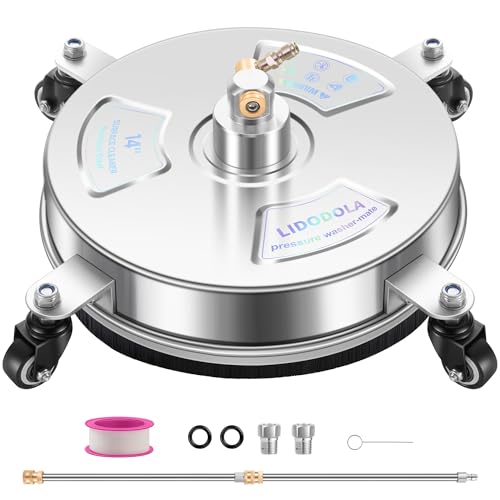
- pool deck pressure washer 2000-2500 PSI concrete surface cleaner
- stiff nylon deck scrub brush for concrete pool patio
- concrete cleaner for pool deck non-bleach spray bottle
- telescoping extension pole for pressure washer cleaning
- pool deck squeegee and mop set non-slip broom


Before You Start
Prepare the area by removing all furniture, toys, and loose debris. Cover nearby plants or landscaping if using cleaners. Test a small, inconspicuous area first to ensure the cleaner does not discolor the surface. Allow for adequate drying time between spraying and scrubbing. Typical projects take about 1–3 hours depending on deck size and soil buildup.
Safety cautions: wear eye protection and gloves, keep children and pets away, and follow manufacturer instructions for the pressure washer and cleaner. Never mix cleaners with bleach unless explicitly approved by the product label.
Step-By-Step: How To Clean Pool Deck
- Clear the deck of all items and sweep away loose dirt and debris to prevent scratching during scrubbing.
- Rinse the surface with a garden hose to wet the concrete and loosen initial grime.
- Apply a non-bleach concrete cleaner for pool deck using the spray bottle, focusing on shaded, high-traffic areas.
- Attach a concrete surface cleaner to the pool deck pressure washer, or use the spray wand for tight spots, maintaining a steady, overlapping pattern.
- Scrub with a stiff nylon deck brush, moving in consistent, circular or back and forth motions to lift embedded dirt.
- Rinse thoroughly with the pressure washer, starting from the far end and moving toward the exit to avoid rewetting cleaned sections.
- Inspect for missed spots; reapply cleaner if needed and repeat scrubbing in those areas.
- Use a telescoping extension pole to reach higher or distant sections without leaning on the edge, reducing slip risk.
- Use a pool deck squeegee and mop set to push excess water toward the drain or off the deck, leaving a dry, safe surface.
- Allow the deck to dry completely before replacing furniture and resuming normal use.
- For maintenance, consider a light weekly rinse and a monthly deep clean to prevent algae and staining buildup.
- Store cleaning tools properly and rinse spray bottles after use to extend their life and prevent residue.
Troubleshooting
| Symptom | Likely Cause | Fix | Prevention |
|---|---|---|---|
| Streaks or dull patches | Improper rinsing or residue from cleaner | Re-rinse with clean water; consider a whitening or brightening rinse | Rinse thoroughly after cleaning; follow product directions |
| Algae growth after cleaning | Shaded areas and high moisture | Apply cleaner formulated for algae, scrub, and rinse; ensure sun exposure to dry | Regular maintenance and spot treating shaded zones |
| Surface feels rough or pitted | Overaggressive scrubbing or weathering | Switch to gentler pad on next clean; avoid metal brushes | Periodic light cleaning to prevent heavy buildup |
| Color change or staining | Cleaner reaction with sealants or pigments | Test a small area; use non bleach options if concerns arise | Use cleaners matching surface type and sealer compatibility |
Common Mistakes
- Using overly strong cleaners or bleach on sealed concrete
- Skipping a test area and abrupt application of products
- Not pre-rinsing before applying cleaner, reducing effectiveness
- Neglecting to dry the surface, promoting mold growth
Tips For Best Results
- Work in shade to slow drying and improve cleaner effectiveness
- Use overlapping passes with the pressure washer for uniform cleaning
- Keep a consistent distance from the surface to avoid etching or damage
- Regularly inspect and replace worn brushes to maintain cleaning power
- Consider sealing the deck after cleaning and drying to reduce future staining
Call A Professional
Call a pro if the deck shows large cracks, loose tiles, or structural damage that would require repair before cleaning. Seek professional help for mold infestations that reappear after cleaning or if the surface is excessively delicate. If the cleaning task requires specialized equipment beyond a standard consumer setup, a professional can deliver safer, efficient results.
FAQ
How often should I clean a concrete pool deck?
Clean the deck seasonally or more frequently if heavy use, proximity to trees, or frequent staining occurs.
Is it safe to use a pressure washer on a pool deck?
Yes, with the right PSI and a surface cleaner, but avoid excessive pressure on damaged surfaces and follow manufacturer guidelines.
What type of cleaner is best for concrete pool decks?
Non-bleach concrete cleaners designed for exterior concrete are typically best for pool decks.
Can I seal my pool deck after cleaning?
Yes, sealing after the surface is fully dry can help resist stains and algae, but verify the cleaner compatibility with the sealant.
What should I do about algae growth on the deck?
Use an algae-fighting cleaner and scrub with a stiff brush; ensure good sun exposure and drying to prevent regrowth.
Do I need to protect plants and furniture during cleaning?
Yes, cover or remove nearby plants and furniture to avoid chemical exposure and water runoff.
What maintenance steps keep the deck looking fresh long-term?
Rinse after heavy use, treat stains promptly, and perform a light cleaning monthly during warm seasons.
Buying Guide
When choosing equipment for cleaning a pool deck, consider size, power, and surface compatibility. A pool deck pressure washer in the 2000-2500 PSI range offers strong cleaning without excessive risk to concrete. Look for a versatile concrete surface cleaner attachment to evenly clean broad areas.
Noise level and energy efficiency matter for residential use, so check manufacturer specs for motor type and decibel ratings. A stiff nylon deck brush provides robust scrubbing without damaging concrete, while a telescoping extension pole helps reach high or distant areas safely. A non-slip squeegee and mop set helps remove standing water quickly, reducing slip hazards after cleaning. Finally, ensure the non-bleach concrete cleaner is easy to spray, effective on stains, and leaves minimal residue.
How you place and store equipment also affects results. Keep hoses neatly coiled, brushes dry, and spray bottles labeled. Consider a routine that combines pressure washing with targeted brushing for best results, especially on heavily stained or moldy sections. If in doubt, consult a cleaning professional for a tailored plan that matches your deck’s concrete type and climate conditions.