A polyester couch offers durability and a soft, low-maintenance feel, but it still benefits from a thoughtful cleaning routine. This guide provides practical steps, tools, and products commonly used in American homes to keep polyester sofa upholstery looking fresh and comfortable.
From everyday spot treatment to deep cleaning, readers will find a clear, step-by-step approach, plus troubleshooting tips and a buying guide to help choose the right supplies for polyester fabric care.
Quick Answer
What to do now: blot spills immediately, treat stains with a dedicated polyester upholstery stain remover spray, and use a handheld fabric steamer or vacuum with a sofa attachment for gentle cleaning. Finish with microfiber cloths for quick wipe-downs and a soft brush attachment for lifting fibers.
What You’ll Need
To clean a polyester couch effectively, gather the following tools and supplies. The list below prioritizes items that work well on polyester upholstery and are commonly available in U.S. households.
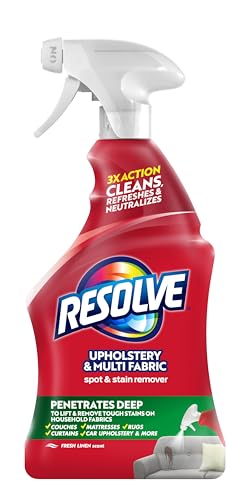
- Polyester sofa upholstery stain remover spray 16 oz
- Handheld fabric steamer for sofa upholstery
- Upholstery vacuum attachment set for sofa
- Microfiber cleaning cloth for polyester sofa 12×12
- Sofa upholstery cleaning kit with brush attachments


Before You Start
Before cleaning, check the sofa’s care label for fabric code and recommended cleaners. Perform a spot test on a hidden area with a damp microfiber cloth and the cleaner to ensure colorfastness. Clear the area of cushions and small items to create a clean workspace. Time estimate: 20–60 minutes for a full-clean, plus drying time. Important: avoid saturating fabric, and never use hot water on certain blends that could cause shrinkage or color bleed.
Step-By-Step: How To Clean A Polyester Couch
- Vacuum first — Use the upholstery vacuum attachment set to remove loose dirt, dust, and pet hair from cushions, seams, and under the edges.
- Blot spills promptly — If a spill occurs, blot with a clean microfiber cloth to absorb liquid. Do not rub, which can push the stain deeper.
- Spot-treat stains — Apply a small amount of polyester sofa upholstery stain remover spray to a cloth, test on a hidden area, then gently blot the stain from the outside in.
- Gentle agitation — For stubborn stains, use a sofa upholstery cleaning kit with brush attachments to softly agitate the fabric in a circular motion.
- Steam for freshening — Lightly steam the fabric from a safe distance to lift fibers and release odors. Avoid soaking the fabric; allow a short pause for the surface to dry.
- Rinse if recommended — If the cleaner requires rinsing, use a clean damp cloth to remove any residue, then blot dry.
- Dry thoroughly — Let cushions dry fully before use. Increase airflow with a fan or open windows if possible to speed up drying.
- Brush fibers — Once dry, use a soft brush or microfiber cloth to restore the fabric’s nap and texture.
- Deep-clean periodically — Schedule a deeper cleaning every 6–12 months, depending on wear, and more often in homes with kids or pets.
- Protective measures — Consider a fabric protector spray after cleaning, following manufacturer directions, to help resist future stains.
- Reassemble — Replace cushions and move furniture back to its place once the fabric is fully dry.
Troubleshooting
| Symptom | Likely Cause | Fix | Prevention |
|---|---|---|---|
| Stubborn stain remains after cleaning | Deep-set stain or wrong cleaner | Re-treat with stain remover spray and brush; repeat once if needed | Spot-test cleaners; address spills immediately |
| Fabric appears water-stained or bleached | Over-wetting; improper product | Use a damp cloth to rinse; blot dry; avoid excess moisture | Use light sprays; follow label directions |
| Fibers look matted after cleaning | Over-brushing or too much moisture | Gently brush with soft tool when dry | Limit moisture; dry thoroughly |
| Color transfer to cloths | Non-colorfast dye or heavy cleaners | Rinse immediately and blot; avoid aggressive products | Test in secret corner first |
Common Mistakes
- Over-wetting the fabric, which can lead to mildew or odor
- Using harsh solvents or bleach on polyester blends
- Rubbing stains aggressively, causing fiber distortion
- Skipping a spot test, risking color damage
- Neglecting full drying, which invites odors
Tips For Best Results
Regular maintenance helps keep polyester furniture looking new. Vacuum weekly to remove debris and pet hair. Use microfiber cloths for efficient pickup of oils and soils. When choosing cleaners, stick to products designed for upholstery and compatible with polyester fabrics. If you’re unsure about a stain, start with a light application and test in a discreet area. Consider protective treatments after each thorough cleaning to extend the interval between deep cleans.
Call A Professional
Reach out to a professional upholstery cleaner if any of the following apply: persistent stains that resist home treatment, visible water damage, strong odors that won’t dissipate, or fabric that shows color loss after cleaning. If the sofa is valuable, antique, or has delicate finishes, professional service can prevent accidental damage.
FAQ
Can I use a steam iron on polyester couch fabric?
Steam irons should not be applied directly to sofa fabric. A handheld fabric steamer used at a safe distance is preferable for refreshing and lifting fibers.
Is polyester couch fabric easy to clean?
Yes, polyester is generally easy to clean with mild cleaners and spot treatment, though heavy or set-in stains may require specialized products.
How often should I deep-clean a polyester sofa?
Threats like spills, pets, and high-traffic areas may require cleaning every 6–12 months, with more frequent touch-ups for busy households.
What should I avoid on polyester upholstery?
Avoid bleach, strong solvents, and saturating with water; test all cleaners first and follow fabric care instructions.
Buying Guide
When choosing cleaning tools and products for a polyester couch, consider several factors to balance performance and safety. Size and weight of the cleaning tools matter for maneuverability around a sofa. Noise level can affect household comfort during routine cleaning. Energy efficiency is a plus for steamers and vacuum units with efficient motors. Controls should be simple and intuitive. Placement considerations include access to electrical outlets and ventilation during cleaning. Compare options across these dimensions to find a kit or set that fits your sofa size, stain types, and cleaning frequency.
Key buying factors to weigh:
- <bSize and compatibility — Match tools to your sofa dimensions and fabric type to avoid over-treatment or missed areas.
- <bNoise level — Choose quieter vacuum attachments and steamers for everyday use without disruption.
- <bEnergy efficiency — Look for devices with efficient motors and short heat-up times to save energy and time.
- <bControls and ease of use — Simple spray-on products, adjustable brush heads, and clear guidance in product packaging help beginners.
- <bPlacement and storage — Ensure there’s space to store cleaning supplies and room to maneuver the device around furniture.
- <bValue and coverage — A larger spray bottle or multi-tool cleaning kit may reduce repeated purchases for multiple cleaning sessions.
Choosing a complete upholstery cleaning kit with brush attachments can simplify the process by providing every attachment needed for different stains and fabric features. For daily maintenance, microfiber cloths and a compact handheld steamer offer quick refreshes between deeper cleans, while a dedicated stain remover spray is essential for spill response. Think about your household’s needs—pets, kids, and frequent entertaining often justify a slightly more robust toolkit).