Plastic retainers require regular cleaning to maintain clarity and prevent odor, discoloration, and buildup. This guide provides a straightforward, safe method for most plastic clear retainers, combining everyday hygiene practices with proven cleaning tools.
A quick, practical approach helps maintain transparency and fit without damaging the material. The steps below are designed for at-home use and emphasize gentle cleaning techniques along with recommended tools.
Quick Answer
For fast results, soak the retainer in a cleaning solution, use a soft-bristle brush to scrub away deposits, and rinse thoroughly. Ultrasonic cleaners can offer deeper cleaning for persistent buildup, while cleaning tablets provide a convenient, effective alternative.
What You’ll Need
- retainer cleaning ultrasonic cleaner for plastic retainers
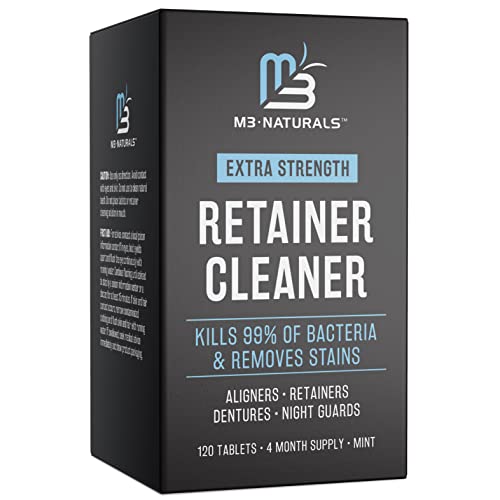
- retainer cleaning tablets for plastic clear retainers
- retainer cleaning case with soft brush
- retainer cleaning brush soft bristle for plastic retainers
- ultrasonic cleaner for dental retainers


Before You Start
Before cleaning, remove the retainer with clean hands and rinse under lukewarm water to remove loose food particles. Do not use hot water, as heat can warp plastic. Always read the device and tablet instructions before use. Avoid harsh chemicals, bleaching agents, and abrasive cleaners, which can scratch or weaken the plastic. Plan cleaning sessions a couple of times per week, or as recommended by your dentist.
Step-By-Step: How To Clean Plastic Retainers
- Rinse: Rinse the retainer under lukewarm running water to dislodge loose debris.
- Soak: Place the retainer in a dedicated cleaning solution or tablet as directed. If using tablets, drop one tablet into a glass of water and submerge the retainer fully.
- Gentle cleaning: Let the retainer soak for the recommended time, usually 5–15 minutes, then use a soft bristle brush to gently scrub all surfaces, including nooks and edges.
- Rinse again: Thoroughly rinse under lukewarm water to remove all cleaning agents.
- Inspect: Check for residues or cloudy areas. If needed, repeat the soak and brush steps.
- Dry: Gently shake off excess water and place the retainer in its cleaning case with the lid open to air-dry, or use a clean cloth.
- Deep cleaning (optional): For stubborn buildup, use an ultrasonic cleaner for dental retainers according to the device instructions, ensuring the item is fully submerged and the cleaning cycle completes.
- Reinsert: After drying, reinsert the retainer or store it in the provided case with proper ventilation to prevent odor buildup.
- Maintenance rhythm: Repeat cleaning as part of a regular routine—2–3 times weekly, or more often if you notice buildup.
- Alternate method: If you do not have a tablet, a mild soap and water solution can serve for quick cleanings, but avoid household cleaners that may corrode or affect the plastic.
- Odor control: If odor persists, consider a longer soak with a specialized cleaner and verify that the storage case stays dry between uses.
Troubleshooting
| Symptom | Likely Cause | Fix | Prevention |
|---|---|---|---|
| Cloudy or dull appearance | Mineral deposits or film | Soak with cleaning tablet; brush gently | Rinse after meals; regular cleaning |
| Foul odor | Residual saliva and biofilm | Thorough cleaning and dry storage | Daily rinse and weekly deep clean |
| Discoloration | Staining from drinks or food | Soak with appropriate tablet; avoid staining agents | Limit dye-heavy beverages while wearing |
| Plastic feel tacky or warped | Excess heat or harsh cleaners | Stop using hot water; use only recommended cleaners | Store away from heat sources |
| Piece loosens or cracks | Impact or dropped retainer | Avoid bending and handle with care | Keep in case when not wearing |
Common Mistakes
- Using hot water which can warp the plastic
- Using abrasive brushes or strong cleaners that scratch the surface
- Overcleaning with aggressive chemicals that can degrade material
- Skipping drying and storing the retainer in a closed, damp environment
Tips For Best Results
- Choose a dedicated retainer cleaning routine that fits your schedule to prevent buildup
- Use the soft-bristle brush to reach small crevices without scratching the plastic
- Regularly disinfect the cleaning case to avoid cross-contamination
- Follow the tablet instructions for dosage and soak time to maximize effectiveness
- Rinse thoroughly after each cleaning to remove any cleaning residue
Call A Professional
Seek professional help if the retainer shows signs of deep cracks, persistent odors despite cleaning, or discomfort during wear. Stop using the device if a professional flags structural damage or if the retainer no longer fits properly after cleaning.
FAQ
Can I clean plastic retainers with regular toothpaste?
No. Toothpaste can be abrasive and may scratch the plastic, creating areas where plaque can accumulate.
How long should a cleaning soak last?
Follow the manufacturer’s instructions, typically 5–15 minutes for cleaning tablets or ultrasonic units.
Is ultrasonic cleaning safe for plastic retainers?
Yes, when used according to the device instructions and with the appropriate cleaning solution.
How often should I replace a plastic retainer?
Consult your dentist; signs for replacement include warping, cracks, or persistent poor fit despite cleaning.
Buying Guide
When choosing cleaning tools and accessories for plastic retainers, consider several factors that influence performance and convenience. How often will you clean, and where do you prefer to clean?
- Size and fit: Ensure the cleaning case accommodates the specific retainer size and shape, with a snug lid to prevent contamination.
- Noise level: Ultrasonic cleaners vary in noise. If the device will sit near a bedroom or study, a quieter model improves comfort.
- Energy efficiency: Look for energy-efficient ultrasonic units and timers to minimize power use during regular cleanings.
- Controls and ease of use: Simple presets and clear instructions help avoid incorrect soaking times.
- Placement: Choose a waterproof surface in a dry area; ensure ventilation to help the retainer dry after cleaning.
- Compatibility: Verify the cleaner and tablets are suitable for plastic clear retainers and won’t degrade the material.
- Maintenance: Consider a kit that includes a soft brush and storage case to streamline routine care.
To maximize results, pair an ultrasonic cleaner for dental retainers with retainer cleaning tablets for plastic clear retainers and a retainer cleaning case with soft brush. This combination covers deep cleaning, gentle scrubbing, and safe storage, helping maintain clarity and fit.