Plastic folding tables are versatile workhorses in homes, schools, event spaces, and offices. Regular cleaning keeps them sanitary, extends their life, and prevents staining from spills. This guide provides practical steps, safe products, and pro tips to maintain a clean, glossy surface without scratching or dulling the plastic.
Whether you’re tackling daily tidying or prepping for a larger gathering, following a simple routine can make table care quick and effective. The methods here emphasize gentle cleaners and non-abrasive tools to protect the table’s finish while removing dirt, grime, and odors.
Quick Answer
For quick cleaning, spray a non-abrasive cleaner onto a microfiber cloth and wipe the surface in circular motions. For tougher spots, use a non-scratch scrubbing pad with a non-abrasive cleaner. Finish with a disinfectant spray on high-touch areas and allow to air dry. Always rinse if the cleaner requires it and dry thoroughly to prevent water spots.
What You’ll Need
- Plastic folding table cleaner spray
- Microfiber cleaning cloth for plastic tables
- Non-abrasive cleaner for plastic furniture
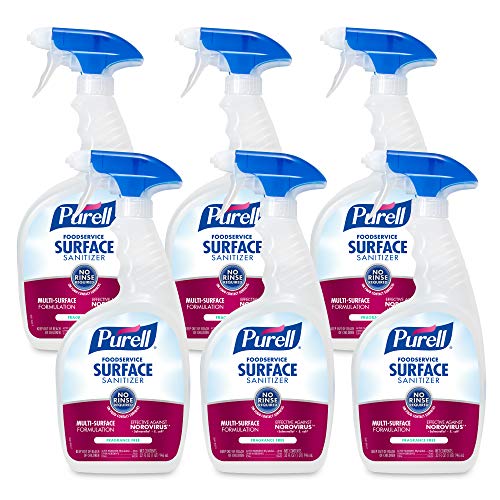
- Disinfectant spray for plastic table surfaces
- Non-scratch scrubbing pad for plastic table cleaning


Before You Start
Prepare a clean, well-lit work area. Move the table to a level surface and remove excess debris with a dry cloth or a soft brush. Check the table’s surface for scratches or cracks; avoid harsh scrubbing that could worsen damage. If your table folds, ensure the hinges are clean and free of grime that could interfere with operation. Keep cleaners away from skin and eyes; wear gloves if you have sensitive skin. Typical cleaning time ranges from 5 to 20 minutes depending on the size and dirt buildup.
Step-By-Step: How To Clean Plastic Folding Tables
- Clear the table and dust the surface to remove loose dirt.
- Lightly mist the surface with the plastic table cleaner spray.
- Wipe with a microfiber cleaning cloth, moving in a consistent pattern from left to right.
- For sticky or faded spots, apply a small amount of non-abrasive cleaner to a non-scratch scrubbing pad and gently rub in a circular motion.
- Rinse the cloth with clean water and wipe the surface again to remove any cleaner residue (if required by the product).
- Dry the table with a dry microfiber cloth to prevent water spots and streaks.
- Disinfect high-touch areas (edge rims, corners, and seam lines) with a disinfectant spray and let it air dry per product directions.
- Inspect for remaining stains and repeat as needed, focusing on problem areas like ink marks or food residue.
- For stubborn stains, repeat steps 2–4 using a slightly more elbow grease but still within gentle, non-abrasive methods.
- Return the table to its position and close any folded sections, ensuring hinges are clean and functioning smoothly.
- Store cleaning tools nearby, ready for the next use, and consider a quick wipe-down after each event to maintain cleanliness.
Troubleshooting
| Symptom | Likely Cause | Fix | Prevention |
|---|---|---|---|
| Streaks or dull appearance | Residue from cleaner or hard water | Wipe with a clean, damp cloth and dry thoroughly | Use a microfiber cloth and follow product directions |
| Soap residue after cleaning | Rinsing step skipped | Rinse surface with a damp cloth and dry | Follow manufacturer instructions for rinse if required |
| Scratches visible | Rough scrubbing pad or abrasive cleaner | Switch to non-scratch pad and non-abrasive cleaner | Avoid metal or stiff bristle brushes |
| Stains that resurface | Oil-based or dye stains | Apply non-abrasive cleaner and gently buff; repeat as needed | Wipe spills promptly to prevent set-in stains |
Common Mistakes
- Using abrasive pads or harsh cleaners on plastic surfaces
- Letting cleaner sit too long before wiping off
- Skipping the drying step, which can cause streaks or water rings
- Neglecting the edges and hinge areas where grime accumulates
- Using the same cloth for dirty and clean areas, spreading grime
Tips For Best Results
- Test cleaners on a hidden area before full application to ensure no discoloration.
- Use a dedicated microfiber cloth for plastics to maximize lint-free cleaning.
- Keep a small spray bottle of diluted cleaner for quick touch-ups between events.
- Store cleaning supplies in a labeled container to prevent mix-ups.
- Lay a protective mat or drop cloth under the table during messy tasks to minimize floor staining.
Call A Professional
Consider a professional if the table shows deep staining, warping, or cracks that affect stability. Do not attempt complex repairs on structural components, such as hinges or legs, if there is movement, wobbling, or visible damage. Seek expert help when cleaning large commercial or industrial-grade plastic tables, or when a table is part of a rental inventory with strict maintenance standards.
FAQ
Can I use ordinary dish soap to clean plastic folding tables?
Yes, a mild dish soap diluted in water can work for everyday cleaning, followed by a thorough rinse and dry. For disinfecting, use a product formulated for plastic surfaces as needed.
Is it safe to disinfect plastic table surfaces?
Yes, using a disinfectant spray designed for plastics is generally safe when used as directed. Allow surfaces to air dry for full effectiveness.
How do I remove tough stains on plastic tables?
Apply a non-abrasive cleaner to a non-scratch pad and gently buff the stain. Repeat as needed, then wipe clean and dry completely.
Should I wipe down the underside of the table?
Yes, wipe the underside and hinges periodically to prevent grime from transferring to others and to maintain overall cleanliness.
Buying Guide
When choosing cleaning supplies for plastic folding tables, consider factors such as surface compatibility, effectiveness on stains, and ease of use. Look for non-abrasive cleaners labeled safe for plastic and disinfectants appropriate for shared surfaces. A good microfiber cloth offers lint-free, scratch-free cleaning. For frequent or commercial use, select a spray cleaner with quick-drying properties to speed up turnover. Consider storage and portability of cleaning supplies to match how often and where you’ll clean tables, whether at home, in classrooms, or for events.
Size matters too: ensure the cleaner bottle is easy to handle and that the cloth size fits the table surface efficiently. Noise levels and energy efficiency aren’t typically concerns for cleaning products, but you’ll want spray bottles and pads that are lightweight and comfortable to use for extended periods. Finally, assess placement and access in your cleaning kit—keep sprays upright, store pads dry, and label each item to avoid cross-contamination.