Plastic water storage barrels offer a reliable way to keep a reserve of clean water. Regular cleaning removes residue, slime, and biofilm that can compromise water quality. This guide outlines a practical, step-by-step approach using common tools to sanitize and restore drum cleanliness for American households and small businesses.
Quick Answer
Rinse the barrel with clean water, scrub the interior with a non-abrasive brush, sanitize with an approved solution, and allow thorough drying before refilling. Use dedicated drum cleaning tools to reach tight corners and maintain odor-free results.
What You’ll Need
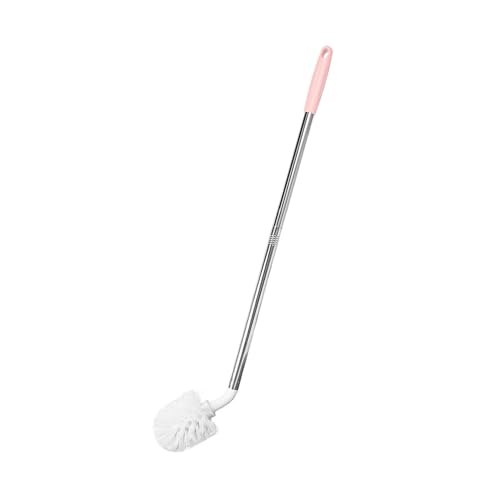
- 55 gallon drum cleaning brush plastic handle
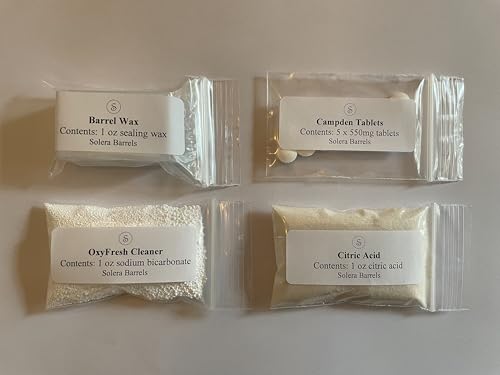
- drum cleaning kit for water storage barrels
- HDPE barrel cleaning brush wide mouth
- plastic drum scraper and scrubber set
- water storage barrel sanitation kit

Before You Start
Inspect the barrel for cracks or leaks and verify the type of plastic (HDPE is common for water barrels). Ensure the workspace is well-ventilated. Wear gloves and eye protection, especially when handling chemical sanitizers. Time estimate: 45–90 minutes depending on barrel size and initial cleanliness. Do not mix cleaning agents unless instructed by the product label and never store drinking water in a previously used non-food-grade container without proper cleaning.
Step-By-Step: How To Clean Plastic Barrels For Water Storage
- Rinse the barrel thoroughly with clean water to remove loose debris.
- Remove all accessories and seals; use the wide-mouth brush to scrub the interior cap and neck.
- Use the plastic drum scraper and scrubber set to loosen stuck residue along the barrel walls without scratching the surface.
- Prepare a cleaning solution appropriate for potable water (follow label directions). Common options include dilute household bleach or vinegar-based cleaners, ensuring compatibility with HDPE plastic.
- Fill the barrel partially with the cleaning solution and agitate by rolling or shaking to coat all interior surfaces.
- Let the solution sit for the recommended contact time, then scrub again with the drum cleaning kit and brushes to remove persistent stains.
- Rinse repeatedly with clean water until odor-free and free of cleaning residue. Use the scrubber set to reach corners and seams.
- Sanitize the interior with a recommended potable-water-safe sanitizer, then rinse one final time if required by the sanitizer’s directions.
- Air-dry the barrel completely with the open end down or in a well-ventilated area before refilling.
Troubleshooting
| Symptom | Likely Cause | Fix | Prevention |
|---|---|---|---|
| Persistent odor after cleaning | Residual cleaning agents or biofilm | Repeat rinse and sanitize step; consider a longer contact time for sanitizer | Rinse thoroughly after each cleaning; use fresh sanitizing solution |
| Scratches or dull interior surface | Harsh scrubbing tools | Switch to non-abrasive brushes from the plastic drum scraper set | Use brushes with soft fibers and avoid metal tools |
| Stubborn staining near seams | Residue trapped in joints | Apply targeted brushing with narrow tools; repeat with sanitizer | Regular maintenance to prevent buildup |
| Barrel leaks after cleaning | Cracked or weakened plastic from agitation | Inspect for damage; replace barrel if necessary | Handle with care; avoid excessive force during scrubbing |
Common Mistakes
- Using harsh chemicals that aren’t approved for potable water
- Skipping thorough rinsing, leaving residues that affect taste or safety
- Not drying completely, which invites mold growth
- Using incompatible brushes that can scratch the interior walls
- Forgetting to clean the cap, bung, and external surfaces
Tips For Best Results
- Mark a dedicated cleaning schedule based on usage frequency or water source changes.
- Always pre-clean hands and tools to minimize introducing new contaminants.
- Label barrels after cleaning with the date to track sanitation cycles.
- Store cleaned barrels in a dry, shaded area to minimize microbial growth between uses.
- Keep a small kit of the recommended brushes for quick, routine touch-ups.
Call A Professional
Call a professional if the barrel shows signs of widespread cracking, persistent odor despite repeated cleaning cycles, or if you suspect chemical contamination or non-potable residues. Do not reuse a damaged barrel for drinking water until it’s assessed and repaired or replaced by a qualified technician.
FAQ
Can I reuse the same sanitation kit for different barrels?
Yes, provided the kit is dedicated to potable water cleaning and thoroughly cleaned between uses.
Is bleach safe for plastic water barrels?
Yes, when diluted properly and rinsed thoroughly according to label directions; ensure barrels are rated for chlorine contact.
How long should the cleaning solution sit inside the barrel?
Follow the product label, typically several minutes to a few hours for effective disinfection.
How do I prevent mold after cleaning?
Completely dry the barrel, store with a vented cap if possible, and sanitize before refilling.
What if the barrel is used for non-drinking water previously?
Do not reuse for potable water without a thorough, verified sanitation process and, if necessary, replacement.
Buying Guide
When selecting tools to clean plastic water storage barrels, consider size, compatibility, and ease of use. The right gear makes cleaning faster, safer, and more reliable.
Key Buying Factors
- Size and reach: Choose brushes and scrubbers that reach interior walls and tight corners in typical 55-gallon drums.
- Material compatibility: Ensure brushes and scrapers are non-scratch, food-grade-safe, and designed for HDPE plastics.
- Cleaning kit completeness: Look for a drum cleaning kit that includes brushes, scrapers, and an interior brush for the neck.
- Sanitation options: A water storage barrel sanitation kit should include approved sanitizers and clear usage instructions.
- Ergonomics: Handle design and weight affect ease of cleaning, especially for large barrels.
Placement and Usage Considerations
- Store cleaning tools in a dedicated area to avoid cross-contamination with drinking water gear.
- Rinse and dry tools completely after each use to prevent mold growth.
- Label each barrel with last-cleaning date and recommended next cleaning interval.