Plastic Adirondack chairs are a staple for easy outdoor seating, but they can collect dirt, mildew, and grime over time. A simple cleaning routine can restore brightness and extend their life without harsh scrubbing. This guide walks through practical steps for a thorough clean using common tools and appliances.
Whether you’re refreshing a set on the deck or brightening chairs by the pool, following a consistent method helps maintain color and texture while preventing brittle plastic from damage. The method below emphasizes safe products and repeatable steps suitable for most outdoor environments.
Quick Answer
Basic clean: Remove loose debris, apply a gentle cleaner, scrub with a non-scratch brush, rinse, and air-dry. For tough stains, a portable pressure washer can help, but use a low setting to avoid damage.
What You’ll Need
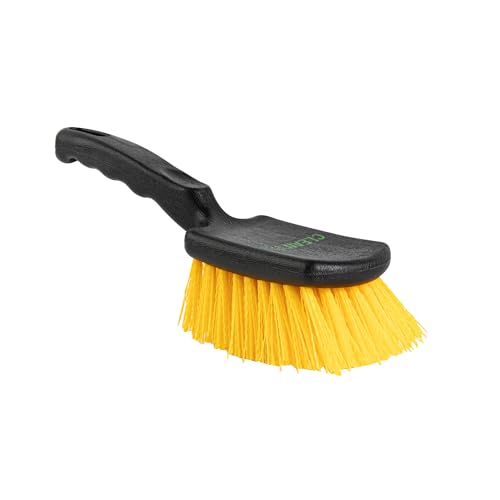
- Plastic Adirondack chair cleaning brush with nylon bristles
- Outdoor furniture cleaner spray for plastic chairs
- Non-scratch scrub brush for plastic outdoor chairs
- Microfiber cleaning cloth for plastic Adirondack chairs
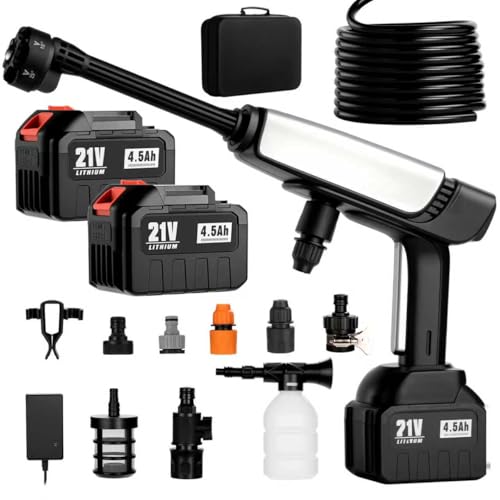
- Portable pressure washer for outdoor furniture cleaning

Before You Start
Clear the area around the chairs and remove cushions or fabric accessories. Test cleaners on a hidden spot to ensure color fastness. Protect nearby plants by rinsing away suds promptly. Time estimate: 20–40 minutes for a standard single chair; allow longer for a set.
Important cautions: Do not use high-pressure settings that can crack joints or bend slats. Avoid harsh bleach concentrates that may fade colors. Wear gloves to protect skin from cleaners.
Step-By-Step: How To Clean Plastic Adirondack Chairs
- Remove loose dirt and debris with a dry brush or microfiber cloth to prevent rubbing grime into the surface.
- Prepare a cleaning solution by mixing a mild outdoor furniture cleaner with water according to the product’s directions.
- Apply the cleaner generously across all chair surfaces, paying attention to armrests and the underside where grime collects.
- Let the solution dwell for a few minutes, then begin scrubbing with a non-scratch scrub brush to lift dirt without scratching the plastic.
- For stubborn stains, switch to a plastic Adirondack chair cleaning brush with nylon bristles to reach recesses and corners.
- Rinse thoroughly with clean water, using a gentle stream to avoid forcing water into joints.
- Inspect for any remaining stains; repeat cleaning on areas that still look dull or discolored.
- Dry the chairs with a microfiber cleaning cloth, or allow them to air-dry in a shaded area to prevent water spots.
- If you notice mildew, treat with a diluted solution of the cleaner or a dedicated mildew remover suitable for outdoor plastics, then rinse again.
- Optionally, for large sets or persistent grime, use a portable pressure washer on a low setting from a safe distance, keeping the nozzle at an angle to avoid direct contact with joints.
- Reassemble any removed cushions and inspect the chairs periodically to maintain their fresh appearance.
Troubleshooting
| Symptom | Likely Cause | Fix | Prevention |
|---|---|---|---|
| Faded color or chalky film | Overexposure to sun or harsh cleaners | Use a mild cleaner and protect with shade after cleaning | Regular light cleaning; avoid abrasive products |
| Stubborn mildew after cleaning | Residual moisture and organic growth | Apply mildew-safe cleaner, rewash, and dry thoroughly | Ensure chairs dry completely before storage |
| Scratches appearing after scrubbing | Rough brush or aggressive scrubbing | Switch to a non-scratch brush and lighter touch | Use nylon-bristle brushes and soft cloths |
| Water spots or streaks | Hard water during rinse | Rinse with distilled water or wipe dry promptly | Rinse in shaded areas to minimize quick drying |
Common Mistakes To Avoid
- Using bleach or ammonia-based cleaners on colored plastic, which can fade or warp the surface.
- Using metal tools or stiff brushes that scratch or gouge the plastic.
- Letting cleaners sit too long, which may cause residue or discoloration.
Tips For Best Results
- Clean in a shaded area to prevent quick drying and streaking.
- Test any cleaner on a hidden spot before full application.
- Regular, light maintenance reduces the need for heavy scrubs later.
- Store chairs undercover or cover them during extreme weather to extend lifespan.
Call A Professional
Consider professional help if chairs have extensive mildew, deep-set staining, or structural issues like cracks near joints. Signs to seek expertise include persistent color fade after cleaning attempts, warped plastic, or loose hardware that affects safety.
FAQ
Can I use a pressure washer on plastic Adirondack chairs?
A low-pressure setting is acceptable for large, dirty areas, but avoid high pressure near joints to prevent damage.
What cleaners are safe for plastic Adirondack chairs?
Use mild outdoor furniture cleaners formulated for plastic; avoid bleach-heavy or abrasive products.
How often should I clean plastic Adirondack chairs?
Light cleaning every 1–2 weeks during hot seasons; deep clean every 1–3 months, depending on exposure.
Should I store chairs indoors after cleaning?
Allow full drying before storage; store in a shaded, dry area to prevent fading and warping.
Buying Guide
When choosing plastic Adirondack chairs for cleaning and maintenance, consider several buying factors to optimize longevity and ease of care.
- Size and fit: Ensure the chairs fit your outdoor space and align with surrounding furniture for a cohesive look.
- Material quality: Recycled or UV-resistant plastics resist fading and cracking; check manufacturer details for outdoor durability.
- Color stability: Look for colorfast formulations that resist sun exposure without chalking.
- Finish and texture: Smooth finishes are easier to clean; textured surfaces hide minor scratches.
- Controls and maintenance needs: Some chairs require simple cleaning routines; verify any maintenance recommendations from the manufacturer.
- Placement: Position away from extreme heat sources and ensure level ground to prevent tipping.
For best results, compare sets based on cleaning ease, weight, and stackability if storage is a concern. Curious about how a particular chair holds up to cleaning products? Check product labels for compatibility with outdoor cleaners and any care instructions. A well-chosen set not only looks good but stays practical after seasonal cleanups.