Clean, vibrant pavers can dramatically improve curb appeal and outdoor usability. This guide explains a safe, effective method to clean pavers using common tools and specifically chosen equipment. Readers will learn step-by-step actions, common pitfalls, and tips to maintain stain-free surfaces.
Whether you’re restoring a quiet walkway or reviving a busy patio, the right approach keeps the joints intact and the surface evenly clean. The plan below emphasizes efficiency, safety, and results you can trust for American outdoor spaces.
Quick Answer
Best quick method: start with a dry sweep, use a pressure washer set to a gentle setting, and follow with a masonry scrub brush to lift embedded grime. Finish with a rinse and seal if desired. For concrete or stone pavers, a rotary surface cleaner speeds the job and reduces streaks.
What You’ll Need
Gather tools and materials designed to clean pavers effectively while protecting the surface.
- Pressure washer for pavers 2000 psi or similar unit
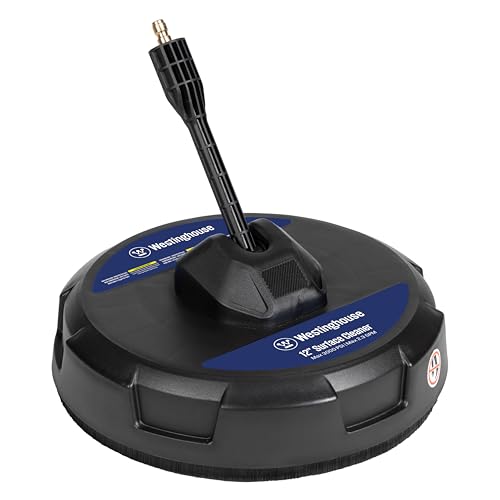
- Rotary surface cleaner for concrete and pavers for even cleaning
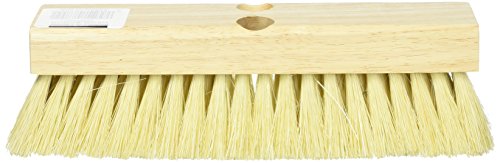
- Stiff bristle patio brush for pavers for tough grime
- Adjustable spray nozzle for pressure washer to control flow
- Masonry scrub brush with long handle for hard-to-reach areas

Before You Start
Prepare the area by removing furniture, planters, and debris. Protect nearby plants with plastic sheets and consider sealing power-off zones. Test a small, inconspicuous area to ensure no surface damage occurs. Time estimate: 60–120 minutes for a typical patio, plus 1–2 hours if sealing afterward. Important cautions: never aim a high-pressure stream at joints, edges, or loose mortar; use a wide spray and keep the wand moving to avoid pitting. Wear eye protection and gloves, and follow manufacturer safety guidelines for your equipment.
Step-By-Step: How To Clean Pavers
- Clear the area and sweep away loose dirt and leaves to expose the surface.
- Pre-wet the pavers to reduce absorption and help release grime.
- Attach the pressure washer for pavers 2000 psi with an adjustable spray nozzle for flexibility.
- Use a **wide, even sweep** with the pressure washer to break up surface dirt, starting at one edge and moving in lines.
- When the grout lines show embedded staining, switch to the rotary surface cleaner for concrete and pavers for a uniform finish.
- For stubborn stains, switch to the stiff bristle patio brush for pavers and scrub in a consistent pattern along the joints.
- Rinse thoroughly with the pressure washer, ensuring all cleaning solution and debris are washed away.
- Inspect for remaining stains and repeat the scrubbing step if necessary.
- Allow surfaces to dry completely, then consider applying a sealant if recommended for your paver type.
- Clean the equipment and store away safely after use.
- Optional maintenance: schedule periodic cleanings to prevent buildup and extend color clarity.
Troubleshooting
| Symptom | Likely Cause | Fix | Prevention |
|---|---|---|---|
| Streaks or patchy cleaning | Inconsistent spray or insufficient contact | Reposition wand, use rotary cleaner on heavier grime | Keep wand moving and maintain consistent pressure |
| Pitting or surface damage | High pressure on soft mortar or edges | Lower pressure, keep nozzle at safe distance | Test area first; avoid concentrating force on joints |
| Soapy film after rinse | Cleaning solution residue | Rinse with clean water thoroughly | Use minimal cleaning solution; rinse fully |
| Stains persist in joints | Deep-set staining in grout lines | Target with stiff brush and, if needed, specialized paver cleaner | Address stains early; avoid long neglect |
Common Mistakes
- Using too high a pressure on delicate pavers or mortar.
- Skipping a test area and applying aggressive cleaning evenly everywhere.
- Neglecting to pre-wet the surface, which can increase cleaning time and uneven results.
- Over-wetting or saturating joints, which can cause shifting or mildew if moisture is trapped.
Tips For Best Results
- Work in shaded areas when possible to prevent rapid drying that can leave water spots.
- Use the rotary surface cleaner for larger areas to avoid streaks and reduce cleanup time.
- Combine a dry brush pass with wet cleaning for deeply embedded grime.
- Consider a sealant after cleaning to protect against stains; follow manufacturer directions and cure times.
Call A Professional
Consider a pro if pavers are heavily stained, severely sealed, or if there is extensive weed growth between joints. Stop signs include visible cracks, settling, or dislodged pavers after cleaning. If you lack the proper equipment or safety gear, a professional service can deliver consistent results with proper protection for your surfaces.
FAQ
What is the best pressure for cleaning pavers?
A mid-range setting around 1200–2000 psi is effective for most pavers while protecting joints and mortar.
Can I restore color after cleaning?
Yes, a light cleaning followed by a sealant can help restore color and protect against future staining.
Should I seal pavers after cleaning?
Sealing helps prevent stains and makes future cleanups easier, but verify compatibility with your paver material and climate.
How often should I clean pavers?
Most residential patios benefit from an annual or biannual cleaning, with spot cleanings as needed after storms or heavy use.
Buying Guide
Choosing the right equipment and accessories for cleaning pavers involves several factors. Consider how large the area is, the types of stains typically encountered, and the level of maintenance you’re prepared to perform.
- <bSize and coverage: For small to medium patios, a portable setup is sufficient. Larger spaces benefit from a dedicated pressure washer with a larger spray footprint and a compatible rotary cleaner.
- <bNoise level: Gas-powered units tend to be louder; electric models may be quieter and adequate for typical backyards.
- <bEnergy efficiency: Look for energy-efficient motors and variable pressure control to minimize energy use while maintaining cleaning power.
- <bControls: An adjustable spray nozzle and a trigger lock improve control and reduce fatigue during longer jobs.
- <bPlacement and ease of use: A machine with stable wheels and a long hose reduces the need to move heavy equipment repeatedly.
When comparing options, consider the combination of a pressure washer for pavers 2000 psi, a rotary surface cleaner for concrete and pavers, and a stiff bristle patio brush for pavers to cover both large surfaces and stubborn stains. The adjustable spray nozzle for pressure washer adds versatility, while the masonry scrub brush with long handle helps reach corners and along edges. Balance these features with budget, maintenance expectations, and the climate where the pavers reside.