Patios endure exposure to sun, rain, and seasonal debris, making regular cleaning essential for a fresh, inviting outdoor space. This guide outlines practical steps to tackle grime, mildew, and stubborn stains using common pressure washers and patio cleaning tools.
With the right approach, homeowners can restore brick, concrete, or stone patios and extend their lifespan without professional help. The methods below emphasize safety, efficiency, and selecting the right attachments for different surfaces.
Quick Answer
Best overall method: Combine a pressure washer with a 15-inch patio surface cleaner attachment and a rotating deck brush for tough spots. Start on low pressure to test surfaces, then ramp up as needed to avoid damage. Use a masonry cleaner scrub brush for ingrained stains and broad sweep motions for even coverage.
What You’ll Need
- Gas pressure washer 3000 PSI patio cleaning surface cleaner
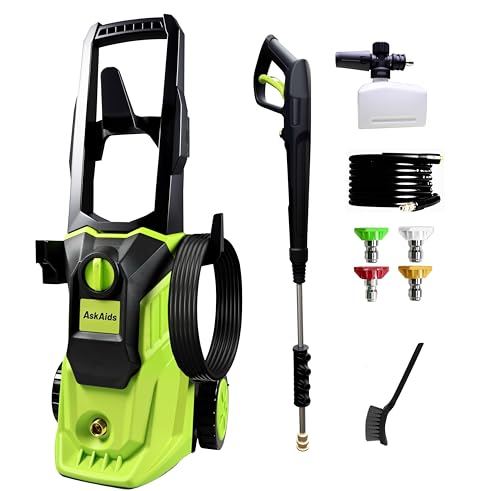
- Electric pressure washer 1800 PSI with patio cleaning nozzle
- Patio surface cleaner attachment for pressure washer 15 inch
- Rotating deck brush for concrete patio cleaning
- Masonry cleaner scrub brush for outdoor patio concrete


Before You Start
Assess the patio surface for cracks, loose stones, or delicate joints. Clear furniture and contents, sealable grills, and remove debris. Protect nearby plants with barriers or plastic sheeting. Work in shaded parts of the day to prevent quick drying that can leave streaks. Time estimates vary by area: small patios may take 1–2 hours, larger spaces 3–5 hours including dry time. Wear eye protection, gloves, and closed-toe shoes to guard against flying debris.
Step-By-Step: How To Clean A Patio
- Choose the appropriate cleaning tool based on surface type (concrete, pavers, or stone) and select a surface cleaner attachment for broad sweeping coverage.
- Connect the patio surface cleaner attachment for pressure washer 15 inch to the chosen pressure washer and verify fittings are secure.
- Apply a mild cleaning solution suitable for outdoor surfaces, such as a masonry cleaner, following the product’s instructions.
- Begin at a dry edge and move the wand in steady, overlapping motions to avoid streaks and missed spots.
- Use the rotating deck brush for concrete patio cleaning for stubborn stains, working in circular motions to lift embedded grime.
- Rinse thoroughly, keeping a consistent distance from the surface to prevent etching or gouging.
- For persistent mildew, reapply the cleaner to affected areas and allow a brief dwell time before scrubbing and rinsing again.
- When finished, dry the area completely before moving furniture back to prevent water damage or mold growth.
- If the surface shows stubborn stains or damage, switch to a masonry cleaner scrub brush for outdoor patio concrete and spot-treat the area.
- Store equipment dry and inspect hoses and fittings for wear before the next use.
- Document any surface changes or cracks discovered during cleaning for maintenance planning.
Troubleshooting
| Symptom | Likely Cause | Fix | Prevention |
|---|---|---|---|
| Surface still dirty after washing | Insufficient dwell time or detergent usage | Reapply cleaner and extend dwell time; use longer strokes | Test cleaner on a small area first |
| Patches appear streaky | Uneven water pressure or nozzle blockage | Check nozzle, clean or replace; adjust wand angle | Keep consistent distance and movement |
| Etching or color fading | Excessive pressure on soft surfaces | Lower pressure and use surface cleaner | Test on inconspicuous area first |
| Streaks after drying | Sun exposure causing quick drying | Water rinse longer, shade the area during cleaning | Clean during cooler parts of day |
| Brush bristles wear quickly | Using improper technique or aggressive scrubbing | Use broad strokes and proper pressure | Replace worn brushes as needed |
Common Mistakes
- Using high pressure on delicate pavers or masonry, causing chipping or cracking.
- Neglecting to test a small patch before full cleaning.
- Over-wetting joints and gaps, leading to water intrusion or mold.
- Rushing the rinse step, which leaves soap or cleaner residues.
- Disregarding safety gear and flammable water temperature safety when using gas-powered washers.
Tips For Best Results
- Work in shade to prevent rapid drying and streaking.
- Pre-wet surrounding plants and cover sensitive areas to avoid chemical exposure.
- Test low pressure first and gradually increase to the cleaning needs of the surface.
- Use a wide spray pattern and consistent motion for even coverage.
- Pair a surface cleaner attachment with a stiff-bristle brush for thorough cleaning of grout lines or joints.
Call A Professional
Consult a professional if the patio shows extensive structural damage, loose paving stones, or severe staining that does not respond to standard cleaning. Stop the project if there are crumbling materials, deep cracks, or signs of efflorescence that worsen with cleaning. A pro can assess drainage, sealants, and structural integrity to prevent future issues.
FAQ
What’s the best pressure for cleaning a concrete patio?
Begin with a lower psi and increase as needed, monitoring the surface for damage. A moderate range avoids etching while still removing grime.
Can I use a regular garden hose with a patio cleaner?
It depends on the equipment. Some electric or gas pressure washers require a high-pressure supply; a standard hose may not provide sufficient pressure.
How do I remove mildew from a patio?
Use a masonry cleaner with a scrub brush and rinse thoroughly. Consider a dedicated patio surface cleaner for even coverage.
Is it safe to clean colored bricks or natural stone?
Yes, but use lower pressure and a surface-appropriate cleaner to prevent color loss or surface damage.
How often should I clean my patio?
Most patios benefit from a thorough cleaning 1–2 times per year, with spot cleaning as needed after winter or heavy pollen seasons.
Should I seal my patio after cleaning?
Sealing is often recommended after a deep clean, once surfaces are fully dry to protect against staining and weathering.
Buying Guide
When choosing patio cleaning gear, consider size, noise, efficiency, and control options. A gas pressure washer 3000 PSI patio cleaning surface cleaner delivers strong cleaning power for large spaces but can be heavier and louder. An electric pressure washer 1800 PSI with patio cleaning nozzle offers quieter operation and lighter weight for smaller to medium patios. A 15-inch patio surface cleaner attachment helps cover wide areas with fewer passes, reducing streaks. A rotating deck brush provides targeted scrubbing for stubborn residues, especially in grout lines, while a masonry cleaner scrub brush is ideal for concrete and stone surfaces. Compatibility with your washer, hose length, and ease of attachment are practical considerations. For placement, ensure a stable, level surface nearby for equipment setup and a nearby water source and drainage are essential for efficient operation.
Size matters: larger decks or multi-surface patios benefit from higher PSI and robust surface cleaners, while small balconies may be cleaned effectively with lighter equipment. Noise level is a practical factor for shared spaces or early morning cleaning. Energy and water efficiency come into play with electric options and proper technique. Controls should be user-friendly, with adjustable pressure and straightforward nozzle options. Placement considerations include proximity to electrical outlets, a sheltered area to store equipment, and easy access to water supply. Compare equipment by surface compatibility, cleaning power, and attachment availability to ensure a versatile setup that fits your patio size and materials.