Keeping an OXO coffee maker clean ensures every cup tastes as good as the first. Regular cleaning removes mineral buildup, stale oils, and lingering odors that can affect extraction and flavor. This guide provides practical steps and safe products to use for a thorough clean that fits American households and daily routines.
Quick Answer
For routine cleaning, run a hot water cycle with a descaling product designed for automatic machines, then rinse more than once with clean water. Use a dedicated cleaning brush set to scrub removable parts and a microfiber cloth to wipe surfaces. Descale every 1–3 months depending on water hardness and usage.
What You’ll Need
- OXO Brew coffee maker descaler tablets
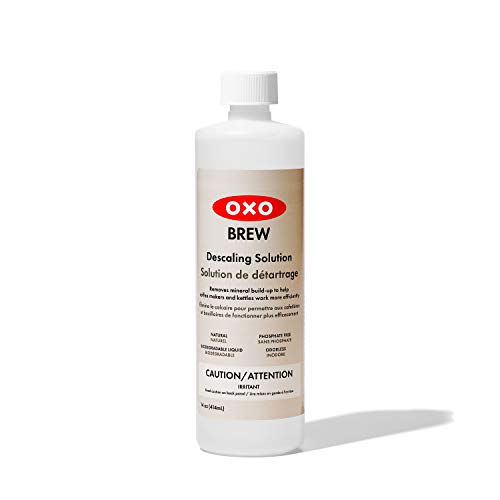
- coffee maker descaler solution for automatic machines
- coffee maker cleaning brush set
- carafe cleaning brush for coffee maker
- microfiber cloth for cleaning coffee maker surfaces


Before You Start
Unplug the machine and empty the carafe. Use warm, soapy water to rinse any removable parts before cleaning. Check the user manual for any model-specific cautions. Do not immerse the base in water. Allow all parts to dry completely before reassembly. Time estimate: 20–40 minutes for a full clean and rinse cycle.
Step-By-Step: How To Clean An OXO Coffee Maker
- Disassemble removable parts, including the carafe, filter basket, and lid, and rinse them with warm water.
- Prepare a descaling solution following the product’s directions or place an OXO Brew descaler tablet into the reservoir as instructed by the manufacturer.
- Run a cleaning brew cycle with just water to flush the system after adding the descaler solution. If the machine allows, start a normal brew cycle without coffee.
- Rinse the reservoir and carafe. Refill with clean water and run at least two more full cycles to remove any descaler residue.
- Use the carafe cleaning brush to scrub the inside of the carafe and the filter basket brush to scrub the basket.
- Wipe the exterior and the hot plate with a damp microfiber cloth to remove any splashes or fingerprints.
- Inspect seals and gaskets for wear. If you notice cracks or swelling, replace them according to the model’s guidelines.
- Reassemble the unit and run a final water-only cycle to ensure all parts are clean and odor-free.
- Dry each part thoroughly before storage to prevent mold or mildew growth.
- Regular maintenance: rinse daily, descale every 1–3 months, and deep-clean every 1–2 months depending on water hardness and usage.
Troubleshooting
| Symptom | Likely Cause | Fix | Prevention |
|---|---|---|---|
| Weak or off-tasting coffee | Mineral buildup or stale oils | Perform a complete descaling and thorough cleaning cycle | Descale regularly; use fresh water |
| Slow brewing or no brewing | Clogged filter or pump | Clean filter basket and run a cleaning cycle | Rinse after each use; avoid coffee grounds in the basket |
| Residue on carafe walls | Improper rinsing | Rinse and scrub with carafe brush; run extra water cycles | Rinse thoroughly after descaling |
| Unpleasant odor | Stale oils trapped in reservoir | Deep clean with descaler and wipe interior | Empty and rinse daily; air-dry components |
Common Mistakes
- Skipping the rinse cycles after descaling, leaving chemical residues
- Using abrasive cleaners that scratch plastic parts
- Using the base immersion method or submerging the whole unit
- Neglecting to clean the carafe and lid, which harbor oils
Tips For Best Results
- Use filtered water to reduce mineral buildup and improve flavor consistency
- Establish a cleaning schedule based on water hardness and usage
- Label cleaning cycles or set reminders to maintain routine maintenance
- Keep a dedicated microfiber cloth for the coffee maker surfaces to avoid cross-contamination with kitchen fabrics
Call A Professional
Contact a professional if the machine shows persistent leaks, strange noises during operation, or failure to heat correctly after cleaning. Stop use if the outer housing becomes excessively hot or if there are visible cracks in the reservoir or seals. Do not attempt internal repairs unless you are trained to avoid electrical hazards.
FAQ
How often should I descale an OXO Coffee Maker?
Descale every 1–3 months depending on water hardness and usage.
Can I use regular vinegar for descaling?
Vinegar can be used in some machines, but follow the manufacturer’s guidelines to avoid damage and ensure proper rinsing.
What parts should I clean regularly?
Clean the carafe, filter basket, lid, reservoir, and exterior surfaces on a regular basis.
Is it safe to submerge the base?
No. Submerging the base can damage electrical components and void warranties.
What if the filter basket is difficult to remove?
Gently twist and lift the basket according to the manual; do not force parts to avoid breakage.
Should I dry parts before reassembly?
Yes, drying prevents mold and ensures a secure fit when reassembling.
How can I prevent mineral buildup in the future?
Use fresh water, consider a water softener, and descale as part of routine maintenance.
Buying Guide
When selecting cleaning accessories for an OXO coffee maker, consider factors such as compatibility with your model, ease of use, and material quality. A dedicated descaler product designed for automatic machines helps maintain performance without harming components. A cleaning brush set and carafe brush improve surface cleaning, while a microfiber cloth protects finishes during wiping. Look for items that are dishwasher-safe or easy to hand-wwash for convenience. If you have hard water, pairing descaling solutions with frequent cycles may be beneficial.