Orthotic inserts help align feet, reduce fatigue, and improve comfort. Keeping them clean extends their life and keeps feet healthy. This guide explains practical, safe methods to clean orthotics and remove odor without damaging materials or reducing support.
Quick Answer
Clean regularly with a mild method: wipe down with a damp cloth or use a dedicated insole cleaning kit, let dry completely, and freshen with a designated deodorizer spray. For deeper cleaning, use a removable insole cleaner kit or disinfecting wipes designed for orthotics, and always ensure all moisture is fully evaporated before wearing again.
What You’ll Need
- orthotic insert cleaning brush
- insole cleaning kit for orthotics
- removable insole cleaner kit
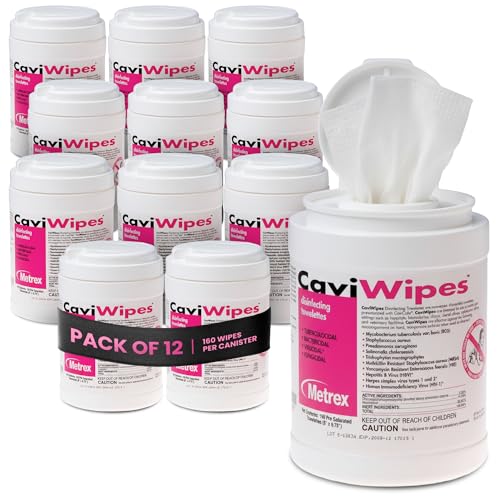
- disinfecting wipes for orthotic inserts
- orthotics deodorizer spray for insoles


Before You Start
Before cleaning, remove the inserts from footwear and check care labels or manufacturer guidance. Avoid soaking inserts or using hot water, which can warp materials or reduce support. Ventilate the area and allow thorough drying away from direct heat. Set aside time for each step to ensure complete evaporation. If the inserts are visibly worn or have persistent odor or staining, plan for a more intensive cleaning method or replacement.
Step-By-Step: How To Clean Orthotic Inserts
- Remove the inserts from your shoes and inspect for damage or thinning in high-pressure zones.
- Brush off loose debris using the orthotic insert cleaning brush to prevent embedding dirt during cleaning.
- Use a mild cleaning solution or the insole cleaning kit for orthotics, following product instructions. Apply to a soft cloth or sponge rather than soaking the inserts.
- Gently wipe both sides of each insert, paying attention to seams and edges where sweat and oils accumulate.
- For stubborn stains or odors, use disinfecting wipes for orthotic inserts on the surface, then wipe with a clean, damp cloth to remove residue.
- Allow the inserts to air-dry completely in a well-ventilated area, away from direct heat or sunlight. This can take several hours depending on humidity.
- After dry, spray a light mist of orthotics deodorizer spray for insoles to keep them fresh between cleanings.
- Reinsert into your footwear once fully dry. If odors recur quickly, repeat the cleaning cycle more frequently or consider odor-control inserts.
Troubleshooting
| Symptom | Likely Cause | Fix | Prevention |
|---|---|---|---|
| Persistent odor after cleaning | Residual moisture or oil buildup | Re-clean with a mild solution and ensure complete drying; use deodorizer spray | Clean weekly and dry thoroughly after each wear |
| Stiff or warped inserts after cleaning | Excessive moisture or heat exposure | Air-dry in shade, avoid heat sources; consider replacement if warped | Follow label directions; never soak |
| Discoloration or fading | Harsh cleaners or dye transfer from footwear | Use milder cleaners; test on inconspicuous area first | Stick to manufacturer-approved products |
| Odor returns within days | Sweat buildup or skin oils not fully removed | Increase cleaning frequency and use deodorizer between cleanings | Wear breathable socks and rotate shoes |
Common Mistakes
- Using hot water or soaking inserts
- Avoiding drying time, leaving moisture trapped inside
- Using household cleaning products with strong fragrances or bleach
- Cleaning while the inserts are still installed in shoes
Sticking to recommended methods helps preserve cushioning and support while keeping materials hygienic.
Tips For Best Results
- Schedule a regular cleaning routine, such as weekly or biweekly, depending on activity level.
- Use a dedicated deodorizer spray after cleaning to maintain freshness between washes.
- Store inserts in a cool, dry place away from sunlight when not in use.
- Consider a removable insole cleaner kit for a deeper cleanse without removing shoe interiors.
- Keep a spare set of insoles for quick swaps after cleaning or during intense activity weeks.
Call A Professional
If inserts are torn, severely deformed, or if you experience ongoing foot pain despite cleaning, consult a podiatrist or footwear specialist. Seek professional guidance if you notice persistent skin irritation, allergic reactions, or if the footwear no longer provides adequate support after cleaning.
FAQ
How often should I clean orthotic inserts?
Clean inserts at least weekly if you wear them daily, or more often during hot and sweaty conditions or strenuous activity.
Can I use regular disinfecting wipes on orthotics?
Yes, but choose wipes that are safe for the materials and avoid any wipes with harsh solvents that could degrade cushioning.
Is it okay to machine wash insoles?
Most orthotics are not machine washable; check manufacturer instructions. If allowed, use a gentle cycle with mild detergent and air dry.
What should I do if the odor returns after cleaning?
Consider more frequent cleaning, using a deodorizer spray, and ensuring proper drying. Also check for moisture pockets inside shoes.
Are there any materials that require special care?
Yes—gel, foam, or carbon-fiber inserts may have unique care requirements. Follow the care label or consult the maker.
Should I sanitize inserts between users?
For shared footwear, sanitize or replace inserts between users to prevent cross-contamination.
Can I use essential oils for odor control?
Avoid essential oils directly on inserts unless the manufacturer approves; some oils can degrade materials over time.
Buying Guide
When selecting tools and cleaners for orthotic inserts, consider size compatibility with your footwear, material safety, and ease of use. A well-crafted cleaning routine protects investments in comfort and foot health while extending the life of inserts.
Key buying factors include:
- <bCleaning tools: Choose a brush and cleaning kit designed for orthotics to avoid damage. The right tools help reach seams and edges effectively.
- <bDeodorizing options: A dedicated deodorizer spray designed for insoles can help control odor without harsh chemicals.
- <bDisinfection vs. deodorization: Disinfecting wipes provide quick sanitation, while deodorizer sprays address smell; many users benefit from both in combination.
- <bRemovability and ease of drying: Removable insoles simplify cleaning and ensure thorough drying after washing or decontamination.
- <bFootwear compatibility: Check that products are suitable for your shoe type, whether athletic, dress, or casual, to avoid material damage.
Consider your routine, climate, and activity level. If you have sensitive skin or allergies, verify product ingredients and opt for fragrance-free options. Always follow manufacturer instructions for best results.