Oil splashes and grease buildup on the stove can dull surfaces and create sticky residues. A practical cleaning routine using common kitchen tools and a few specialized products can restore shine and extend appliance life. This guide provides a step-by-step method tailored for American kitchens and optimized for quick results.
Quick Answer
Best first move: apply a degreaser spray to the stubborn areas, let it sit briefly, then wipe with microfiber cloths. For stubborn spots, use a non-scratch nylon scrub pad and a stovetop cleaning scraper tool to lift residue without scratching surfaces.
What You’ll Need
- Stovetop degreaser spray kitchen grease remover
- Stainless steel stove cleaning brush set
- Non-scratch nylon scrub pads for stove grease
- Stovetop cleaning scraper tool
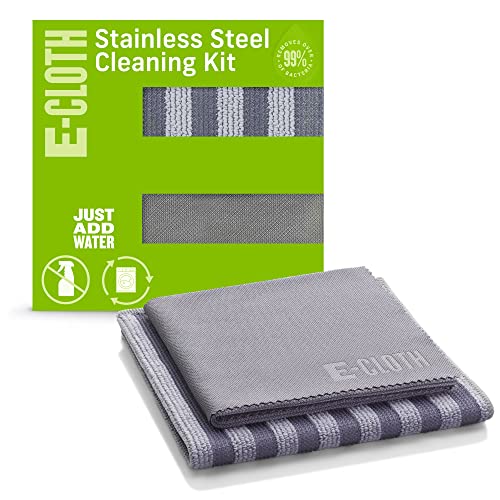
- Microfiber cloths for grease removal stove top


Before You Start
Clear the area and remove cookware from the stove. Unplug electric stoves or turn off gas supply if safe to do so. Allow the surface to cool completely before cleaning. Ventilate the area and wear gloves if skin sensitivity is a concern. Time estimate: 15–30 minutes for light cleaning, 30–60 minutes for heavy buildup.
Step-By-Step: How To Clean Oil Off Stove
- Remove loose debris from the stovetop with a dry cloth to prevent smearing during cleaning.
- Apply a stovetop degreaser spray kitchen grease remover liberally to oilier spots and let it sit for 1–2 minutes to break down stubborn film.
- Wipe with a damp microfiber cloth, rotating to pick up loosened grease. Rinse the cloth as needed to avoid spreading residue.
- For persistent buildup, use a non-scratch nylon scrub pad for stove grease in circular motions, applying light pressure to avoid scratches.
- Utilize the stovetop cleaning scraper tool to lift any stubborn film from flat surfaces and crevices along the edges.
- Wipe again with a clean microfiber cloth. If streaks remain, repeat degreasing and scrubbing steps on the affected area.
- Dry the surface with a lint-free cloth to prevent water marks and to reveal a uniform finish.
- Finish by cleaning surrounding knobs and control panels with a slightly damp cloth, then dry thoroughly before reusing the stove.
Troubleshooting
| Symptom | Likely Cause | Fix | Prevention |
|---|---|---|---|
| Streaks after cleaning | Residual cleaner or water spots | Wipe with a fresh microfiber cloth until dry | Wipe in a single direction for consistent results |
| Grease remains in crevices | Buildup in seams or around burners | Use scraper tool gently to lift; reapply degreaser | Clean weekly to prevent buildup |
| Scratches appear on stainless surface | Using rough pads or abrasive cleaners | Switch to non-scratch nylon scrub pads and a milder degreaser | Follow manufacturer care guidelines |
| Stubborn oil patches reappear | Incomplete removal or heat re-melting oil | Re-treat with degreaser and scrub more thoroughly | Clean after cooking to prevent hardening |
Common Mistakes
- Using harsh scrubs or metal tools on brushed stainless finishes
- Over-wetting the surface, which can seep into controls
- Neglecting the area around knobs and burner housings
- Rushing cleaning after heavy cooking without a break to cool
Tips For Best Results
- Apply cleaner to the cloth, not directly to the surface, to control contact and prevent overspray on edges
- Work in a well-ventilated area and use cold water for final wipe-down if heat is lingering
- Regular maintenance makes deep cleaning faster; aim for a quick wipe after each cooking session
- For stainless surfaces, dry properly to reduce water spots and maintain a polished look
Call A Professional
Consider professional help if the surface shows deep staining, pitting, or discoloration that does not respond to standard cleaning. Signs to seek a pro include persistent staining despite repeated cleaning, chipping of protective coatings, or damage around burners that affects safety or operation.
FAQ
What is the safest cleaner for stainless steel stove tops?
Use a mild degreaser designed for kitchen surfaces and follow with a microfiber cloth for a streak-free finish.
Can I use baking soda to clean an oily stove?
Baking soda can be effective when formed into a paste; apply sparingly and rinse well to avoid residue.
How often should I clean my stove to prevent oil buildup?
Light daily wipes after cooking plus a deeper clean weekly help prevent heavy buildup.
Is it OK to use a scraper tool on all stove tops?
Only use a scraper tool on flat, non-coated or appropriate surfaces; avoid glass and non-ceramic coatings unless recommended by the manufacturer.
Buying Guide
Key factors influence choosing cleaning tools and products for a stove:
- Size and layout: Ensure tools fit your stove’s surface and burner layout; consider brush sets with varied head sizes.
- Noise level: Scrubbing pads and brushes can be noisy; quiet options may be preferred in open kitchens or apartments.
- Energy efficiency: Not directly relevant to cleaning; choose products with minimal packaging waste and long-lasting performance.
- Controls: Simple spray degreasers and non-scratch pads reduce risk to control knobs and panels.
- Placement: Store degreasers and scrapers within easy reach of the stove for immediate cleaning after cooking.
When evaluating options, consider bundles that combine a stovetop degreaser spray, a stainless steel brush set, non-scratch pads, a scraper, and microfiber cloths. This combination covers the most common cleaning scenarios while minimizing tool swapping. If a specific product line is preferred, look for compatibility with your stove type (gas, electric coil, or glass-ceramic) and any manufacturer care recommendations.