Many people rely on a night guard to protect their teeth while sleeping, but proper cleaning is essential to maintain hygiene and extend the life of the device. This guide provides practical, step-by-step methods using common products and safe practices for American users.
Quick Answer
Daily rinse with water, weekly deep clean with night guard cleaning tablets or a dedicated cleaning spray, and periodic use of an ultrasonic cleaner for a thorough refresh. Always let the night guard dry completely before storing it in a clean container.
What You’ll Need
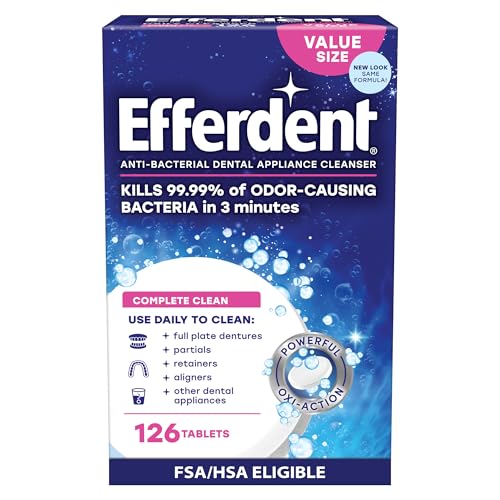
- Night guard cleaning tablets
- Mouthguard sanitizing spray
- Ultrasonic cleaner for night guard
- Night guard cleaning brush set
- Night guard case and cleaning cloth


Before You Start
Before cleaning, remove the night guard and rinse under lukewarm water to remove saliva and debris. Check for any signs of wear, such as cracks or rough edges, and discontinue use if damage is present. Avoid hot water, bleach, or abrasive cleaners as they can warp or degrade the material. Time estimates: quick rinse takes about 1–2 minutes; a full clean with tablets or spray takes 5–10 minutes; ultrasonic cleaning can take 3–5 minutes per cycle.
Step-By-Step: How To Clean Night Guard
- Rinse the night guard under lukewarm running water to remove saliva and loose debris.
- Place the guard in a glass or dedicated cleaning container with lukewarm water, following the product’s recommended water temperature.
- Drop in a night guard cleaning tablet and let it fizz for the time specified by the tablet’s instructions.
- Gently scrub with a night guard cleaning brush set to remove any stubborn buildup around crevices.
- Rinse thoroughly under cool running water to remove all cleaning agents.
- Spritz the night guard with a mouthguard sanitizing spray and let it air-dry for a few minutes.
- Dry the exterior and interior surfaces with a clean cleaning cloth to ensure complete dryness.
- Store the night guard in its ventilated case to prevent moisture buildup and odor.
- For periodic deep cleaning, run the night guard in an ultrasonic cleaner as directed by the manufacturer, then rinse and air-dry.
- Inspect for wear after cleaning; replace if there are cracks or rough spots that could hurt the mouth.
- Repeat this routine consistently to maintain hygiene and prolong the life of the guard.
- Keep a dedicated cleaning kit nearby to simplify the process and ensure all tools stay together.
Troubleshooting
| Symptom | Likely Cause | Fix | Prevention |
|---|---|---|---|
| Persistent odor after cleaning | Buildup or inadequate drying | Increase cleaning frequency and ensure complete drying | Dry store in a breathable case |
| White film or residue after cleaning | Soap or cleaner residue | Rinse thoroughly; skip harsh cleaners | Use only recommended products |
| Discoloration | Prolonged exposure to saliva and mouth bacteria | Use cleaning tablets consistently; consider ultrasonic cleaning | Rinse after each use and dry properly |
| Material feels sticky | Incomplete rinsing | Rinse again with cool water and brush lightly | Rinse immediately after use |
Common Mistakes
- Using hot water or high heat that warps the material.
- Skipping drying or storing in a damp case.
- Overusing cleaning sprays—some formulations can irritate the mouth if not rinsed well.
- Avoiding regular cleaning due to time constraints; consistency matters for hygiene.
- Neglecting to check for wear; damaged guards can fail to protect teeth.
Keeping a simple routine reduces buildup and extends the life of the night guard.
Tips For Best Results
- Schedule a weekly deep clean to prevent mineral deposits and odor build-up.
- Always rinse with cool or lukewarm water after cleaning to prevent warping.
- Use a dedicated night guard case that allows airflow to prevent moisture retention.
- If your guard is custom-made, follow the dentist’s cleaning guidance in addition to product directions.
- Label your cleaning supplies to avoid cross-contamination with other dental tools.
Call A Professional
Seek professional care if the night guard shows persistent warping, cracks, or if cleaning does not remove significant odors. Stop using a damaged guard and consult your dentist or the original provider for a replacement or re-fabrication.
FAQ
How often should I clean my night guard?
Rinse daily and perform a thorough cleaning 2–3 times per week, with deeper cleaning using tablets or ultrasonic cleaning as recommended.
Can I use regular toothpaste to clean a night guard?
Avoid toothpaste; it can be abrasive. Use dedicated night guard cleaners or mild cleaners specified for dental appliances.
Is ultrasonic cleaning safe for all night guards?
Ultrasonic cleaning is generally safe for most materials, but check manufacturer guidelines for your specific guard.
What should I do if the night guard smells after cleaning?
Enhance cleaning frequency, ensure complete drying, and consider a fresh cleaning tablet cycle or a brief ultrasonic clean.
Can I soak my night guard in mouthwash?
Use caution with mouthwash; some formulations can degrade materials. If using, rinse thoroughly afterward and confirm compatibility.
How long does a night guard last?
Most guards last 1–3 years with proper care, but daily wear, cleaning routines, and materials influence longevity.
Should I clean my night guard before or after wearing it?
Clean after wearing it; a quick rinse transfers saliva and debris away from teeth and gums.
Buying Guide
When choosing cleaning solutions and accessories for a night guard, consider size, compatibility, and ease of use. Factors to compare include:
- Night guard cleaning tablets for regular, convenient cleaning; ensure they are non-abrasive and enamel-safe.
- Mouthguard sanitizing spray for quick sanitization between uses; look for alcohol-free formulas if possible.
- Ultrasonic cleaner for night guard for a thorough deep clean; verify cycle time and material compatibility.
- Night guard cleaning brush set to reach crevices without damaging the material; choose soft-bristled brushes.
- Night guard case and cleaning cloth for storage and drying; ensure the case has vents and the cloth is lint-free.
Size and fit matter—larger guard variants may require longer cleaning cycles. Noise level is typically minimal for most ultrasonic devices, but some models may produce audible sounds. Energy efficiency is generally linked to activity duration; opt for shorter cycles when possible. Controls should be simple, with clearly labeled buttons and timers. For placement, choose a clean, dry, and accessible area in the bathroom or kitchen to encourage consistent cleaning.