Naugahyde, a durable vinyl upholstery material, combines the look of leather with easy maintenance. With the right tools and simple steps, keeping it clean and bright is straightforward for most households. This guide outlines practical methods, step-by-step instructions, and common-sense tips tailored to American homes and typical cleaning scenarios.
Quick Answer
Use a vinyl upholstery cleaner kit or a mild soap solution, apply with microfiber cloths, gently scrub with a soft bristle brush if needed, and wipe dry. For stubborn stains, use a vinyl stain remover formulated for Naugahyde and repeat as necessary.
What You’ll Need
- Vinyl upholstery cleaner kit vinyl furniture tool set
- Microfiber cloths for vinyl cleaning upholstery
- Soft bristle upholstery brush vinyl cleaning tool
- Spray bottle for vinyl cleaner
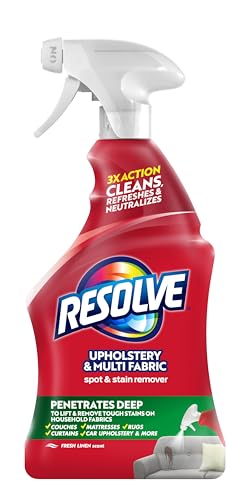
- Stain remover for vinyl furniture Naugahyde


Before You Start
Before cleaning, test a small inconspicuous area of the Naugahyde to ensure the cleaner does not discolor or dry out the material. Work in a well-ventilated space and protect nearby surfaces from splashes. Time estimate: 15–30 minutes for a single piece, plus additional time for treating stubborn stains.
Important cautions: Avoid harsh solvents, abrasive scrubbers, or ammonia-based cleaners that can damage the vinyl surface. Do not oversaturate the fabric; moisture should be limited to a light film. If the furniture has any loose seams or cracks, approach with extra care to prevent water intrusion.
Step-By-Step: How To Clean Naugahyde
- Prepare your workspace by laying down a protective cloth or old sheet to catch drips from cleaning solutions.
- Dust or vacuum the surface with a soft brush attachment to remove loose debris.
- Apply a light amount of vinyl cleaner to a microfiber cloth or use the spray bottle to mist the surface lightly.
- Gently wipe the surface in small, circular motions to lift dirt and oils from the top layer.
- For stubborn spots, use the soft bristle upholstery brush to softly agitate the area without scratching the vinyl.
- Wipe away residue with a clean, damp microfiber cloth, ensuring no cleaner remains on the surface.
- Dry the area immediately with a dry microfiber cloth to prevent streaks and moisture buildup.
- If stains persist, apply a dedicated stain remover for vinyl furniture Naugahyde to the affected area and repeat the cleaning steps.
- Finish with a final wipe using a clean cloth and allow the piece to air dry completely before use.
- Optionally, apply a vinyl conditioner after drying to maintain suppleness and shine.
- Store cleaning tools in a cool, dry place and label bottles for easy future use.
- For large or delicate pieces, consider repeating the process in sections to ensure even cleaning.
Troubleshooting
| Symptom | Likely Cause | Fix | Prevention |
|---|---|---|---|
| Streaks after cleaning | Excess cleaner or uneven wiping | Wipe with a damp cloth, then dry with a clean microfiber | Use minimal cleaner and wipe in consistent motions |
| Sticky residue | Leftover cleaner or soap film | Rinse with a damp cloth and dry thoroughly | Rinse twice if necessary and dry promptly |
| Discoloration after cleaning | Harsh cleaner or heat exposure | Spot-test next time; switch to milder products | Avoid strong chemicals and direct heat |
| Fading color | Sun exposure or harsh chemicals | Limit sun exposure and use proper vinyl cleaners | Protect from sunlight with covers or placement |
Common Mistakes
- Using abrasive brushes or pads that scratch vinyl surfaces
- Soaking the material with too much liquid
- Choosing cleaners not designed for vinyl or for Naugahyde specifically
- Ignoring test patches on hidden areas before full cleaning
Sticking to recommended products and gentle techniques minimizes wear over time and preserves the original look and feel of the vinyl upholstery.
Tips For Best Results
- Work in small sections to ensure consistent cleaning and drying.
- Always pat, don’t rub vigorously, to avoid removing surface oils essential for vinyl flexibility.
- Use a microfiber cloth for the initial wipe; switch to a clean cloth as it collects dirt.
- Rotate cleaning tools to prevent cross-contamination between areas of the furniture.
- Test new cleaners on a hidden area first to confirm compatibility with Naugahyde.
Call A Professional
Consider contacting a professional if the upholstery shows deep cracks, severe staining, or if cleaning does not restore appearance after multiple attempts. Stop and seek help if moisture penetration is suspected, if the furniture has structural damage, or if cleaning could void any warranty.
FAQ
Can I use household soap to clean Naugahyde?
Light dish soap mixed with water can work as a temporary cleaner, but for best results use products specifically designed for vinyl upholstery to avoid residue or damage.
Is it safe to use a spray bottle for vinyl cleaner on Naugahyde?
Yes, a spray bottle is convenient for controlled application. Mist lightly and wipe with microfiber to prevent oversaturation.
How often should I clean Naugahyde furniture?
Regular light cleaning is recommended every 1–2 months, with more thorough treatments as needed to address stains or wear.
Can I apply vinyl conditioner after cleaning?
Yes, after the surface is completely dry, applying a vinyl conditioner can help maintain suppleness and prevent cracking.
Buying Guide
When selecting cleaning supplies for Naugahyde, consider size, noise level, energy efficiency, controls, and placement factors. Below are essential buying considerations to help compare options:
Size and Coverage
Choose a vinyl upholstery cleaner kit that includes multiple brushes and pads for different surfaces, plus a spray bottle that fits comfortably in hand. Larger kits may offer better coverage for sofas and sectionals.
Stain Removal Effectiveness
Stain removers formulated for vinyl furniture are specifically designed to tackle common marks from food, oils, and ink. Look for products labeled safe for Naugahyde and tests demonstrating effective stain lifting.
Tools and Accessories
Microfiber cloths and a soft bristle brush are essential. A spray bottle helps with even application, while a dedicated vinyl cleaner kit provides integrated tool sets optimized for vinyl care.
Compatibility and Materials
Verify that cleaners are safe for vinyl and compatible with Naugahyde finishes. Avoid products containing ammonia or harsh solvents that can cause cracking or discoloration over time.
Storage and Convenience
Consider kits with organized storage cases and clearly labeled bottles. Compact, easy-to-store tools are advantageous for homes with limited space.
Environmental and Safety Considerations
Look for low-VOC formulas and non-toxic ingredients when cleaning upholstered furniture. Safer products reduce indoor air exposure and are gentler on sensitive skin and pets.
Placement and Usage Context
For frequent cleaning of high-traffic areas, a durable kit with quick-dry formulas can accelerate routine maintenance. Consider whether you need odor-neutralizing options for living rooms or dining areas.
Price vs. Value
While price is a factor, prioritize effectiveness, safety, and ease of use. A well-designed kit with proven results often saves time and preserves furniture longevity.