Keeping a Nalgene bottle clean is essential for safe hydration, especially for daily use and outdoor adventures. This guide covers practical, step-by-step cleaning methods that work with common Nalgene models and accessories.
Whether you’re tackling stubborn stains, odor, or routine maintenance, a clean bottle helps preserve the taste of your beverages and extends the life of the bottle. The steps below use standard kitchen supplies and dedicated cleaning tools designed for Nalgene products.
Quick Answer
Rinse with warm water, scrub with a long-handled brush, and sanitize when needed. For odors or tough stains, use gentle bottle scrubbing brushes, silicone-tipped soft-bristle brushes, and effervescent cleaning tablets. Finish with a thorough rinse and air dry completely.
A Quick List Of What You’ll Need
Gather these tools to clean a Nalgene bottle effectively. Each item corresponds to common Nalgene cleaning accessories:
- Nalgene wide mouth bottle cleaning brush long handle
- Nalgene bottle scrub brush soft bristles
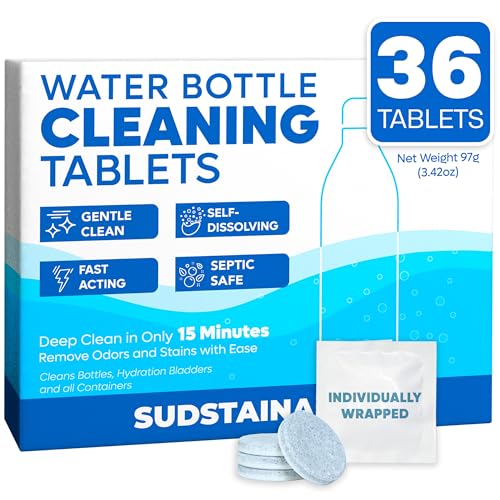
- Nalgene bottle cleaning tablets effervescent 8 count
- Nalgene straw cleaning brush set
- Nalgene bottle brush with silicone tip for soft bristles


Before You Start
Before cleaning, remove all contents, disassemble the cap and straw if applicable, and rinse in lukewarm water to loosen debris. Do not use boiling water or harsh abrasives, which can damage some bottle finishes. Allow the bottle to dry completely between cleanings to prevent mold growth. Time estimates: basic clean takes 5–7 minutes; deeper cleaning with tablets takes 10–15 minutes.
Step-By-Step: How To Clean A Nalgene Bottle
- Rinse the bottle with warm water to remove loose particles and residues.
- For wide-mouth bottles, insert the long-handled cleaning brush and scrub the interior walls in a circular motion. Focus on the bottom and any hard-to-reach nooks.
- Use the soft-bristle bottle scrub brush for the exterior and cap threads to remove grime without scratching the surface.
- If your bottle has a straw, detach and clean the straw with the dedicated straw cleaning brush set, ensuring the interior is free of buildup.
- Fill the bottle with warm water and add one tablet of Nalgene bottle cleaning tablets effervescent 8 count. Let it fizz and soak for 5–10 minutes for deeper sanitation.
- After soaking, rinse thoroughly with clean water. Shake out excess water and use the soft silicone-tipped brush to scrub the cap seal and any hidden crevices.
- Rinse once more to remove all cleaning solution residues. Reassemble components to ensure all parts fit securely.
- Air dry the bottle and cap with the mouthpiece facing down to promote complete drying and prevent mold.
- For routine maintenance, perform a quick rinse and scrub after each use, especially if you’ve stored juice, dairy, or flavored beverages.
- If odors persist, repeat the cleaning cycle or use a fresh soaking with tablets, followed by a thorough rinse and dry.
- Store with the cap off or loosely attached to promote airflow and prevent residual moisture buildup.
- Regularly inspect seals and threads for wear; replace as needed to maintain a tight seal and hygiene.
Troubleshooting
| Symptom | Likely Cause | Fix | Prevention |
|---|---|---|---|
| Persistent odor after cleaning | Residual residue or odor compounds | Soak with effervescent cleaning tablets again, scrub inside thoroughly | Clean promptly after use; avoid storing liquids overnight |
| Streaks or staining on interior | Light mineral deposits | Vinegar rinse (1:1 with water) briefly, then thorough rinse | Regular cleaning schedule to prevent buildup |
| Cap won’t seal properly | Gasket wear or debris | Inspect and clean gasket; replace if damaged | Rinse cap threads and gasket after each cleaning |
| Straw tube won’t thread or clean | Blockage or misalignment | Use straw cleaning brush to clear; ensure correct orientation | Dedicated straw brushing after beverages with particulates |
| Scratches appear on bottle surface | Harsh scrubbing or abrasive cleaners | Switch to soft-bristle brush; avoid abrasive pads | Use non-abrasive cleaners and brushes |
Common Mistakes
- Not disassembling parts fully, leaving hidden areas uncleaned
- Using hot or boiling water on sensitive plastic finishes
- Rinsing only with cold water and skipping proper drying
- Neglecting straw interiors, which can harbor mold
- Ignoring damaged gaskets or lids, risking leaks and contamination
Tips For Best Results
- Maintain a regular cleaning routine, especially after using opaque liquids like juice or protein shakes
- Keep separate brushes for interior cleaning and exterior scraping to avoid cross-contamination
- Consider a dedicated cleaning tablet routine monthly for a deeper sanitation cycle
- Store with the cap off or loosely closed to promote air circulation and quick drying
- Always finish with a thorough rinse to remove any residual cleaning agents
- Inspect the bottle’s threading and seals periodically to prevent leaks and contamination
Call A Professional
Seek professional help if the bottle shows persistent odor after repeated cleaning, visible mold growth that cannot be scrubbed away, or if the cap and gasket are damaged and cannot be replaced easily. In such cases, contacting the manufacturer or a certified service provider is advisable.
FAQ
How often should I clean my Nalgene bottle?
Clean after each use and perform a deeper clean every few days if you use the bottle daily or store beverages overnight.
Can I use bleach to clean a Nalgene bottle?
Avoid bleach on plastic bottles; use mild soap and NSF-approved cleaning tablets designed for reusable bottles.
What is the best way to disinfect a Nalgene bottle?
Use effervescent cleaning tablets as directed, followed by thorough rinsing and air drying.
Is it safe to put my Nalgene bottle in the dishwasher?
Most Nalgene wide-mouth bottles are dishwasher safe, but check the product guidelines for your model and avoid high-heat drying if advised.
Buying Guide
When selecting cleaning gear or replacements for a Nalgene bottle, consider several buying factors to ensure compatibility and effectiveness:
- Size and mouth width: Wide-mouth bottles accept longer brushes and facilitate thorough cleaning, while narrow mouths may require specialized tools.
- Brush design: Choose soft bristles for delicate finishes and silicone-tipped brushes for safe scrubbing around logos and seals.
- Cleaning tablets: Look for non-abrasive, food-grade effervescent tablets that are safe for plastic and odor removal.
- Straw accessories: If your bottle includes a straw, use dedicated straw brushes to reach interior pathways.
- Durability and compatibility: Ensure tools are designed for Nalgene products and won’t scratch or degrade components.
- Storage and drying: Choose tools with compact storage and promote air drying to prevent mildew.
- Replacement parts: Gaskets, caps, and threads can wear over time; check availability of authentic replacements.
For most users, a combination of a long-handled bottle brush, a soft-bristle scrub brush, a dedicated straw brush, and effervescent tablets offers comprehensive cleaning coverage. Consider pairing these with a silicone-tipped brush for sensitive areas to achieve best results. Would you like help selecting a full cleaning kit based on your bottle model and usage?