Microfiber mop pads offer excellent cleaning power, but proper care extends their life and maintains performance. This guide walks American homeowners through efficient cleaning routines, gear, and best practices to keep microfiber pads fresh and ready for repeat use.
Following the right steps helps remove dirt, oils, and bacteria while protecting delicate fibers. The process fits into a typical household cleaning schedule and avoids common issues like buildup or patchy effectiveness.
Quick Answer
Best practice in brief: rinse pads after use, pre-treat heavily soiled areas, wash in a dedicated microfiber-friendly bag or with similar fabrics, and air-dry to preserve fibers. Use a mild detergent, avoid fabric softeners, and store clean pads on a dry rack until next use.
What You’ll Need
- Microfiber mop pad washing bag mesh laundry bag
- Spin mop bucket wringer system
- Mop pad cleaning brush for microfiber pads
- Air dry rack for mop pads
- Machine washable microfiber mop pads care kit


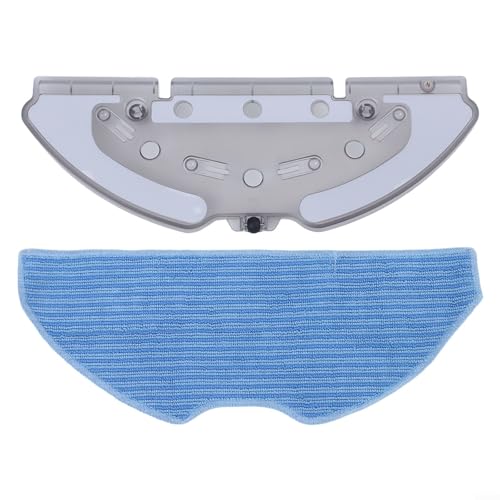
Before You Start
Prepare a designated cleaning area with adequate ventilation. Empty the mop bucket and rinse loose debris from pads before washing. Inspect pads for rips or thinning fibers and replace as needed. Safety note: keep detergents away from skin and avoid mixing with bleach or ammonia-based cleaners, which can degrade fibers. Time estimate: about 20–40 minutes per cycle, plus drying time.
Protect surfaces and avoid cross-contamination by washing microfiber pads separately from heavy fabrics. If you have allergies or sensitivities, choose a fragrance-free detergent and rinse thoroughly.
Step-By-Step: How To Clean Microfiber Mop Pads
- Rinse the pad under warm water to remove loose dirt and hair before washing.
- Apply a small amount of mild detergent directly to the pad and gently work it in with the mop pad cleaning brush for microfiber pads to loosen embedded grime.
- Place the pad in a microfiber-friendly washing bag or mesh laundry bag to protect fibers during agitation.
- Load the bag into a top- or front-loading washing machine. Use a warm water cycle with a gentle or normal spin setting.
- Avoid fabric softeners and bleach; these can coat fibers and reduce absorption and cleaning effectiveness.
- Air dry on an air dry rack for mop pads or tumble dry on a low heat setting if the care kit recommends it.
- Inspect pads after drying; remove any remaining lint with the mop pad cleaning brush for microfiber pads if needed.
- Store pads clean and dry on the rack or in a dedicated container until next use.
Troubleshooting
| Symptom | Likely Cause | Fix | Prevention |
|---|---|---|---|
| Streaky or film on floors after cleaning | Detergent residue or fabric softener | Rewash with only detergent and extra rinse cycle | Skip fabric softeners; use minimal detergent |
| Pads still feel stiff after washing | Hard water mineral buildup | Run an extra rinse and consider a water-softening add-on | Rinse thoroughly; use distilled water for final rinse if available |
| Pads shed fibers during use | Over-wear or improper drying | Replace worn pads; avoid high-heat drying | Air dry; replace as fibers wear |
| Pad not absorbing well | Heavy soil buildup or grease | Pre-treat with pad cleaning brush and wash again | Pre-treat and wash promptly after use |
Common Mistakes
- Using hot water that can set stains or damage fibers
- Washing with high-sheen or wool fabrics that shed onto pads
- Neglecting to air-dry; damp pads can develop odor or mildew
- Forgetting to replace pads when signs of thinning or tearing appear
Tips For Best Results
- Pre-treat heavily soiled areas with a dedicated brush to lift grime before washing.
- Use a machine washable microfiber mop pads care kit to keep pads in top condition and extend life.
- Always dry pads completely on an air dry rack for mop pads to prevent mold and odors.
- Label and separate pads by type or use to simplify future loads and reduce cross-contamination.
- Periodically inspect washing bags and replace if fibers begin to fray.
Call A Professional
Consider professional assistance if pads show persistent odors, persistent stubborn stains, or significant fiber wear that compromises cleaning performance. Seek help when the washing equipment malfunctions or if you notice damage that could release fibers into living spaces.
FAQ
How often should microfiber mop pads be washed?
Wash pads after each use or at the end of each cleaning session to prevent buildup and odor.
Can I use a regular washing machine for microfiber pads?
Yes, with a gentle cycle and without fabric softeners or bleach, using a mesh bag for protection.
Is air drying necessary?
Air drying helps preserve fiber integrity, though a low-heat tumble dry can be acceptable if allowed by the care kit.
What detergents are best for microfiber pads?
Use a mild, fragrance-free detergent without additives that may leave residues on fibers.
Buying Guide
When choosing microfiber cleaning gear, consider size and compatibility with existing mops, noise levels from wringer systems, energy efficiency of any powered components, control options for multiple cleaning tasks, and placement within the home. Look for a spin mop bucket wringer system that fits your space and handle design, and ensure the air dry rack for mop pads can accommodate your typical pad sizes. For ongoing maintenance, a machine washable microfiber mop pads care kit should include a suitable detergent, bag, and brush, delivering a complete care routine. In practice, a cohesive kit that pairs washing, drying, and storage solutions helps sustain pad performance and hygiene over time.