Marker boards, or whiteboards, are a staple in homes and offices for quick note-taking and presentations. Regular cleaning keeps colors vibrant and reduces stubborn ghosting. This guide covers practical steps, safe cleaners, and pro tips to maintain a clear, smooth writing surface using common supplies found in many American workplaces.
Quick Answer
To remove ink quickly and prevent staining: use a dedicated dry erase cleaner or a 70% isopropyl alcohol spray, apply with a microfiber cloth, and follow with a dry, clean pad or cloth to buff away any residue.
What You’ll Need
The following tools and supplies help you clean effectively while protecting the board’s surface.
- Isopropyl alcohol whiteboard cleaner spray 70% for dry erase boards
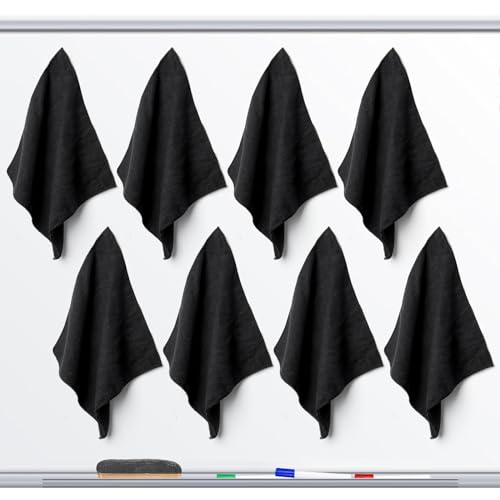
- Microfiber cloth whiteboard eraser set
- Dry erase board cleaner spray bottle
- Streak-free whiteboard cleaner with microfiber pad
- Whiteboard maintenance kit with cleaner cloths and eraser


Before You Start
Prepare a clean, well-lit workspace. Lay down a soft cloth to catch drips and wipe residue. Ventilate the area if you’re using spray cleaners. Avoid spraying cleaner directly on electronic whiteboards unless the manufacturer permits it. Time estimate: 5–15 minutes for a full board, depending on size and condition.
Test any cleaner on a small, inconspicuous area first to ensure it won’t dull the surface. Use gentle pressure to prevent scratching. If your board has a colored or painted finish, consult the manufacturer’s cleaning recommendations before applying solvent-based cleaners.
Step-By-Step: How To Clean A Marker Board
- Remove all dry-erase markers and put away accessories to clear the surface.
- Gently wipe the board with a dry microfiber cloth to remove loose dust.
- Lightly spray a small amount of dry erase board cleaner or isopropyl alcohol whiteboard cleaner spray 70% for dry erase boards onto a clean microfiber cloth.
- Wipe the board in a circular motion, starting from the top and moving downward to avoid re-smearing ink.
- For stubborn ghosting, apply a second pass with a slightly damp cloth and let the cleaner sit briefly for a few seconds before buffing.
- Rinse with a dry microfiber cloth to remove any remaining cleaner residue, then buff until the surface dries clear.
- If the board is very dirty, repeat with a dedicated dry erase board cleaner spray bottle and a clean cloth.
- Finish with a final wipe using a streak-free whiteboard cleaner with microfiber pad for a smooth, even finish.
- Return writing tools and inspect the surface for ghosting. If needed, store clean cloths and erasers in the maintenance kit for next use.
- Optionally apply a light, periodic wipe with a non-abrasive cleaner to preserve the surface over time.
Troubleshooting
| Symptom | Likely Cause | Fix | Prevention |
|---|---|---|---|
| Streaky surface after cleaning | Cleaner residue or uneven wiping | Buff with a dry microfiber pad until clear | Use a small amount of cleaner and a clean cloth |
| Ghosting from old markers | Heavy ink penetration or old surface coating | Apply alcohol-based cleaner and scrub gently; repeat if needed | Clean regularly to minimize buildup |
| Discoloration or dull finish | Harsh solvent or over-wetting | Switch to milder cleaner and dry thoroughly | Stick to manufacturer-recommended products |
| New stains after erasing | Permanent marker or pigment transfer | Test a small area with alcohol-based cleaner; repeat as needed | Avoid using non-compatible markers |
Common Mistakes To Avoid
- Do not spray cleaner directly onto electronic boards unless approved by the manufacturer
- Avoid abrasive pads or harsh solvents that can scratch or dull the surface
- Do not leave cleaner on the board for extended periods; wipe promptly
- Avoid using bleach-based cleaners which can damage the coating over time
Tips For Best Results
- Clean the board on a regular schedule to prevent ghosting buildup
- Keep a dedicated microfiber cloth or pad for whiteboard use only
- Store cleaners in a cool, dry place away from direct sunlight
- Use a light touch; aggressive scrubbing can wear down the surface
- Consider a maintenance kit with cloths and erasers for quick touch-ups
Call A Professional
Seek professional help if the board shows significant discoloration, deep scratches, or if cleaner usage seems to erode the coating. If a proprietary surface requires specific cleaners or coatings, contact the manufacturer or a certified service provider before attempting further cleaning.
FAQ
What is the best cleaner for dry erase boards?
An alcohol-based cleaner or a dedicated dry erase cleaner is typically effective and safe for most whiteboards.
Can I use general household cleaners on a whiteboard?
Some household cleaners may contain additives that harm the surface; stick with products labeled for whiteboards or alcohol-based solutions.
How often should I clean my whiteboard?
Clean regularly to prevent ghosting, with a deeper clean every few weeks depending on usage.
Is it okay to use a microfiber cloth for wiping?
Yes, microfiber cloths are ideal for capturing ink and polishing the surface without scratching.
What should I do about ghost marks that won’t erase?
Try a targeted cleaning with alcohol-based spray and a fresh microfiber cloth; allow a brief sit time before buffing.
Can I use a dry erase eraser on the board?
Yes, use it dry to remove light ink before applying cleaner for stubborn stains.
Are there boards that require special care?
Some high-end or specialty boards may need manufacturer-approved products; always check the manual.
Buying Guide
Choosing the right tools and cleaners for a marker board involves several factors. Size and placement determine how much material you’ll need and whether a spray bottle or wipe-based system is most convenient. Noise level matters if frequent cleaning is required in shared spaces; some kits are silent, using cloths and pads rather than pumps. Consider energy efficiency and overall cost by selecting multi-pack kits that cover maintenance without frequent repurchases. Controls, such as spray/nozzle quality or pad texture, influence ease of use. For placement, maintain ventilation and avoid direct sunlight to prevent surface yellowing. Compare products by cleaning efficacy, residue-free results, and compatibility with your board’s coating and markers. Is a dedicated kit with cleaner, cloths, and eraser worth it for your routine? It often streamlines cleaning and helps preserve board life.