Limestone steps add timeless curb appeal but require careful cleaning to avoid etching, discoloration, or surface damage. This guide provides practical, step-by-step instructions tailored for American homes, using common stone-safe products and methods that protect the natural beauty of limestone stairs.
Whether you’re dealing with everyday dirt, mineral deposits, or seasonal grime, the right technique can keep limestone steps looking their best without harming surrounding landscaping or masonry.
Quick Answer
Use a pH-neutral or stone-safe cleaner, a soft to stiff brush, and a low- to mid-range pressure washer if needed. Rinse thoroughly, dry the surface, and seal exterior stairs if they’re exposed to weather. Avoid acidic cleaners and high-pressure washing on delicate or newly repaired joints.
What You’ll Need
- pH neutral limestone cleaner 1 gallon for stairs
- stone-safe cleaner for limestone steps 32 oz
- stiff nylon bristle brush for limestone stairs
- pressure washer 2000-3000 psi for limestone cleaning
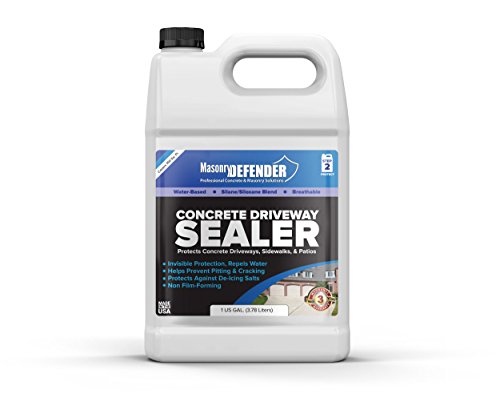
- penetrating limestone sealer for exterior stairs 1 gallon


Before You Start
Assess the stairs for cracks, loose tiles, or deteriorated mortar. Repair any structural issues before cleaning to prevent water intrusion. Choose a dry day with mild temperatures; extreme heat or cold can affect cleaning outcomes. Wear eye protection and gloves, and cover nearby plants to avoid chemical runoff. Never use acidic cleaners such as vinegar or lemon-based products on limestone, as they can etch the surface.
Estimate cleaning time based on stair length and soil level. A typical exterior set takes a few hours, including drying time. If unsure about stain types or whether sealing is appropriate for your climate, consult a professional first.
Step-By-Step: How To Clean Limestone Steps
- Clear the area around the stairs and sweep away loose debris.
- Rinse the surface with plain water to loosen surface grime and reduce dust.
- Apply a pH neutral limestone cleaner 1 gallon for stairs or stone-safe cleaner for limestone steps 32 oz according to label directions. Let it dwell for 5–10 minutes to break down dirt.
- Gently scrub with a stiff nylon bristle brush for limestone stairs, using circular motions and overlapping strokes. Focus on stained or high-traffic areas without applying excessive pressure.
- Rinse thoroughly with a low- to medium-pressure flow. Avoid high-pressure jets that can erode joints or etch the stone.
- If mineral deposits remain, repeat the cleaning step or switch to a second pass with the cleaner. Do not let cleaner dry on the stone.
- For exterior stairs, once completely dry, apply a penetrating limestone sealer for exterior stairs 1 gallon following the manufacturer’s instructions to protect against moisture and staining.
- Inspect joints and re-seal only after the stone is fully dry and the weather is favorable for curing. Keep outdoor surfaces clear of rain during curing time.
Troubleshooting
| Symptom | Likely Cause | Fix | Prevention |
|---|---|---|---|
| Stains persist after cleaning | embedded tannins or mineral deposits | reapply cleaner and brush with a lighter touch; consider a second pass | address staining sources early; seal after complete drying |
| Surface looks dull or etched | acid cleaners or harsh abrasives used | stop acidic products; switch to pH-neutral cleaners | stick to stone-safe products and test on a small area |
| Efflorescence appears after cleaning | moisture bringing salts to the surface | dry thoroughly; consider sealing and improving drainage | avoid over-wetting and ensure proper drainage |
| Sealer fails to cure | surface not fully dry or weather unsuitable | wait for dry, sunny conditions; reapply when appropriate | plan sealing during favorable weather window |
Common Mistakes
- Using acidic or citrus cleaners on limestone
- Using a pressure washer too close or with excessive psi
- Not drying the surface before sealing
- Over-cleaning or aggressive brushing that scratches the stone
Tips For Best Results
- Test cleaners on a hidden area first to verify no discoloration.
- Work from the top of the stairs downward to prevent re-soiling cleaned areas.
- Rinse thoroughly and avoid leaving cleaner residue that can attract dirt.
- Schedule sealing after complete drying and during a favorable weather window to ensure proper curing.
- Consider periodic maintenance cleaning rather than heavy cleaning to extend the life of the stone surface.
Call A Professional
Seek professional help if limestone stairs display active cracking, significant staining that resists cleaning, or if you are unsure about the appropriate sealer or application method. Stop and contact a stone restoration specialist when:
- There are visible structural cracks or loose steps
- Stains cover a large area or recur after cleaning
- Efflorescence persists despite cleaning and sealing
- You lack experience with pressure washing near masonry
FAQ
Can I use vinegar to clean limestone stairs?
No. Vinegar and other acidic cleaners can etch limestone surfaces and cause lasting damage.
How often should limestone steps be sealed?
Seal exterior limestone stairs every 1–3 years, depending on weather exposure and foot traffic. Reapply after cleaning prior to heavy moisture seasons.
Is a pressure washer safe for limestone stairs?
Yes, but only with low to moderate pressure (typically 2000–3000 psi) and at a safe distance to avoid damage to joints and mortar.
What if staining returns after sealing?
Reassess the stain source, ensure complete drying before sealing, and consider a more robust penetrating sealer or professional evaluation.
Should I use hot water for cleaning limestone?
Hot water can help with certain grime but may risk accelerating certain cleaning reactions. Use warm water if supported by the cleaner’s instructions and stone type.
Is sealing mandatory for interior limestone stairs?
Interior stairs less exposed to weather may require less frequent sealing, but sealing can still help repel stains and make maintenance easier.
What maintenance steps follow cleaning?
Keep stairs dry after cleaning, perform light regular sweeping, and spot-clean spills promptly to prevent staining and moisture buildup.
Can I mix cleaners?
Avoid mixing cleaners; use a single compatible product per step to prevent chemical reactions that could harm the stone.
Buying Guide
When choosing products for limestone stair care, consider size, effectiveness, and compatibility with limestone. Key buying factors include:
- <bSize and coverage: Choose a cleaner and sealer that match the stair dimensions and anticipated usage. A 1-gallon cleaner can cover moderate stairs, while larger sets may require multi-pack options.
- <bNoise level and application ease: For enclosed entryways, look for low odor formulas and simple application methods to minimize disruption.
- <bEnergy efficiency and environmental impact: Opt for low-VOC or water-based formulas that are safer for landscapes and indoor air quality.
- <bControls and instructions: Cleaners with clear dwell times and easy rinse instructions reduce the risk of over- or under-cleaning the stone.
- <bSealers and compatibility: Select penetrating sealers designed for exterior limestone that offer moisture resistance without altering color or finish.
- <bPlacement and accessibility: Ensure cleaners and sealers are suitable for the stair location (exterior vs. interior) and easy to apply with available tools like brushes or rollers.
In practice, a coordinated approach using a pH-neutral cleaner, a compatible brush, a moderate-pressure rinse, and a penetrating sealer provides reliable results while protecting the natural beauty of limestone steps. If doubts remain, consult product labels and consider a trial on a small, inconspicuous area before full-scale cleaning. This careful approach helps maintain stair integrity and aesthetics for years to come.