Laminates are a popular choice for kitchen and bathroom cabinetry due to their durability and easy maintenance. This guide provides a practical, step-by-step approach for Americans looking to clean laminate cabinets without harming the finish or surrounding surfaces. It covers common tools, precise methods, and troubleshooting to keep cabinets looking like new.
Quick Answer
Use a soft microfiber cloth with a gentle laminate cabinet cleaning spray to wipe away grime. For stubborn spots, employ a non-scratch scrub brush or melamine sponge. Dry surfaces completely to prevent water damage, and test any cleaner on a small area first.
What You’ll Need
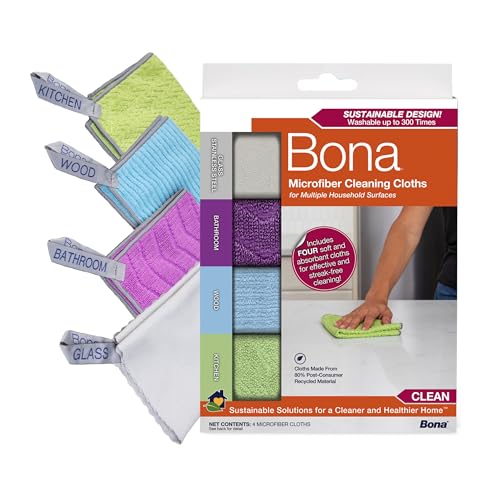
- Microfiber cloths for laminate cabinet cleaning
- Laminate cabinet cleaning spray bottle
- Non-scratch scrub brush for cabinets laminate
- Cabinet cleaning kit laminate cabinets microfiber pads
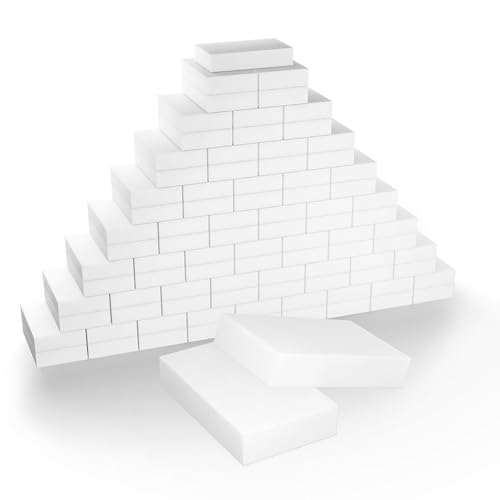
- Melamine sponge laminate cabinet cleaning

Before You Start
Prepare a clean workspace and ensure the area is dry before starting. Remove items from shelves to prevent spills onto food or cookware. Always test cleaners on an inconspicuous spot to verify that the finish won’t discolor. Avoid harsh abrasives, bleach, ammonia, and solvent-based cleaners, which can dull or damage laminate surfaces. Estimate 15–30 minutes for a full cabinet cleaning session, depending on the number of doors and drawers.
Step-By-Step: How To Clean Laminate Cabinets
- Dust surfaces with a clean microfiber pad to remove loose debris before wet cleaning.
- Fill the laminate cabinet cleaning spray bottle with a mild cleaner or a water–vinegar solution (1:1) if recommended by the cleaner’s label.
- Wipe doors and frames with a damp microfiber cloth, following the grain of the laminate to lift dirt without scratching.
- For stuck-on grime, gently scrub with a non-scratch scrub brush for cabinets laminate or a melamine sponge laminate cabinet cleaning, applying light pressure.
- Rinse with a separate damp cloth to remove any cleaner residue, ensuring you don’t saturate the surface.
- Dry all surfaces thoroughly with a clean, dry microfiber cloth to prevent water marks and moisture damage.
- Inspect hinges, handles, and edges for grime; wipe metal hardware with a soft cloth and mild cleaner if needed.
- Return items to cabinets once everything is completely dry, optionally applying a light polish or protective spray if recommended for your laminate brand.
Troubleshooting
| Symptom | Likely Cause | Fix | Prevention |
|---|---|---|---|
| Streaks after cleaning | Residue from cleaner | Wipe with a clean damp cloth and dry thoroughly | Use a spray bottle with diluted cleaner; avoid heavy concentrates |
| Discoloration or dull spots | Harsh cleaner or excess moisture | Spot test next to a hinge; switch to milder solution | Limit moisture and use manufacturer-approved products |
| Scratches appear after cleaning | Abrasive cleaning tool | Switch to microfiber only; stop using scrub sponges on flat surfaces | Always use non-scratch tools |
| Water rings on glossy laminate | Excess water exposure | Dry surfaces promptly; wipe spills immediately | Keep cleaners mild and surfaces dry |
Common Mistakes To Avoid
- Using harsh chemicals or household solvents that can break down laminate film
- Over-wetting cabinets or leaving standing water in crevices
- Scrubbing with abrasive brushes or pads that gouge the surface
- Neglecting to test cleaners on a hidden area first
Tips For Best Results
- Dust before you wet wipe to reduce the amount of grime you must scrub off
- Work in small sections to maintain control over moisture and cleaning residue
- Always follow up with a thorough drying step to prevent warping or swelling
- Label your laminate cabinet cleaning spray bottle and keep it away from children
- Use a dedicated cabinet cleaning kit laminate cabinets microfiber pads for consistent results
Call A Professional
Consider professional help if laminate surfaces show deep gouges, peeling, bubbling, or widespread staining that does not respond to standard cleaning. Indicators for a professional include soft edges, warped panels, or persistent discoloration after multiple cleaning attempts. If cabinetry hardware is damaged or loosening, a pro can safely assess and repair without compromising the laminate.
FAQ
Is it safe to use vinegar on laminate cabinets?
Vinegar solutions are generally safe in diluted form, but always test on a hidden area and follow manufacturer recommendations.
Can I use a steam cleaner on laminate cabinets?
Steam can lift coatings and cause warping; avoid steam cleaners unless the manufacturer approves.
How often should laminate cabinets be cleaned?
Light cleaning every 1–2 weeks and a deeper clean every 4–6 weeks works well for typical households.
What if a stain won’t come out?
Try a gentle cleaner on a small area first; if persistent, consult product guidelines or a professional.
Buying Guide
Choosing the right tools and products for cleaning laminate cabinets affects both results and cabinet longevity. Consider the following factors to ensure optimal performance and value.
- <bSize and fit: Select rags and brushes that are appropriate for cabinet dimensions and contours. Smaller tools offer precision in tight corners.
- <bNoise level: Quiet microfiber pads and spray bottles reduce noise during routine cleaning, which is beneficial for households with open-concept kitchens.
- <bEnergy efficiency: Cleaning gear itself uses minimal energy, but reusable microfiber pads save resources over disposable alternatives.
- <bControls: Simple spray bottles with adjustable nozzles help control cleaner dispersion and minimize overspray.
- <bPlacement: Store cleaning kits in a dry cabinet or pantry away from heat and direct sunlight to extend tool life.
- <bBrand compatibility: Use products labeled safe for laminate finishes and compatible with your cabinet manufacturer’s recommendations.
- <bMaintenance: Replace worn brushes and pads regularly to prevent scratching and maintain cleaning effectiveness.
- <bCost vs. longevity: A basic kit with high-quality microfiber pads and a labeled spray bottle often balances cost and durability.
With the right approach and tools—such as microfiber cloths, a dedicated laminate cleaning spray bottle, non-scratch brushes, microfiber pads, and melamine sponges—laminate cabinets can stay clean and bright with minimal effort. Ready to start? Gather your kit, follow the steps, and enjoy the refreshed look of your laminate cabinetry.