Keeping a Kabuki brush clean ensures optimal performance, longer brush life, and better makeup application. This guide outlines practical methods and tools to clean a Kabuki brush using common household products and specialized gear.
Whether you prefer quick daily cleaning or a deeper weekly cleanse, the steps below help maintain brush softness, minimize product buildup, and prevent skin irritation from trapped bacteria.
Quick Answer
Best quick method: rinse the brush under lukewarm water, apply a gentle cleanser, lather softly, rinse until clear, then reshape and air-dry flat. For deeper cleaning, use a silicone mat or ultrasonic cleaner to lift grime and oils more effectively.
What You’ll Need
Gather tools that align with the cleaning needs of a Kabuki brush. The list below covers both everyday maintenance and deeper cleans.
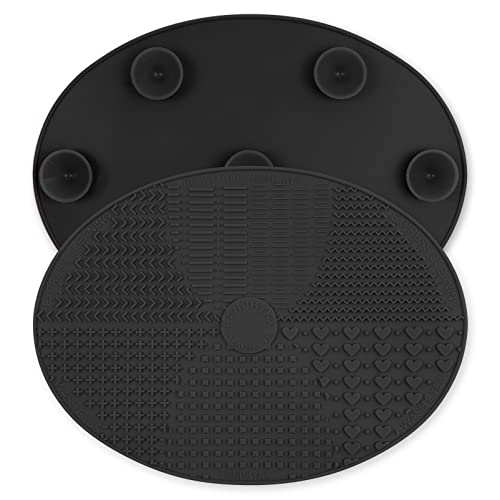
- Kabuki brush cleaner silicone mat
- Silicone makeup brush cleaning mat for kabuki brushes
- Ultrasonic makeup brush cleaner
- Makeup brush cleaning glove silicone kabuki
- Electronic makeup brush cleaner device


Before You Start
Prepare a clean workspace and gather your materials. For safety, use lukewarm water to avoid bristle damage. Avoid hot water, which can soften bristles and loosen glue. If your brush has natural fibers, limit soaking time to prevent shedding. Estimate 10–15 minutes for a quick cleanse and 20–40 minutes for a thorough clean with assistive tools.
Step-By-Step: How To Clean Kabuki Brush
- Inspect the brush to identify any loose ferrules or shedding. If damaged, consider repair or replacement before cleaning.
- Rinse the Kabuki brush under lukewarm water, keeping the bristles pointing downward to prevent water from penetrating the ferrule.
- Apply a small amount of gentle cleanser or mild dish soap directly to the bristles.
- Gently massage the bristles in circular motions on a cleansing mat or between your fingers to release makeup and oils.
- If using a silicone mat, work the brush in small circles along the textured surface to lift buildup efficiently.
- Rinse the brush thoroughly under running water until the water runs clear and no soap remains.
- Gently squeeze out excess water and reshape the bristles with your fingers.
- Lay the brush flat on a clean towel or use a drying rack, with the bristles hanging slightly over the edge to ensure proper drying.
- For a deeper cleanse, repeat the cleansing cycle using an ultrasonic makeup brush cleaner or electronic brush cleaner device, following the manufacturer’s instructions.
- Allow the brush to air-dry completely before reuse. Drying times vary but typically take 6–12 hours, depending on humidity and brush size.
- Store the clean Kabuki brush in a dry, well-ventilated area away from direct sun to preserve bristle integrity.
- Regularly clean the brush after 5–7 uses if heavy makeup is worn, or weekly for everyday cosmetics routines.
Troubleshooting
| Symptom | Likely Cause | Fix | Prevention |
|---|---|---|---|
| Bristles still stained after cleaning | Oil buildup or pigment trapped in dense bristles | Repeat with a deeper clean using an ultrasonic cleaner or silicone mat | Clean more frequently; avoid soaking ferrule |
| Bristles fray or shed | Excessive scrubbing or old, brittle bristles | Use gentler motions and replace brush if shedding worsens | Use mild detergent and proper drying technique |
| Soap residue left on bristles | Rinsing incomplete | Rinse thoroughly until water runs clear | Rinse thoroughly after each wash |
| Bad odor persists | Inflamed bacteria or soap residue | Deep clean with ultrasonic cleaner or baking soda solution (brief) | Dry completely and rinse after each use |
Common Mistakes
- Over-soaking the brush in water or cleanser, especially near the ferrule
- Using hot water that damages bristles and glue
- Applying heavy pressure during cleaning, which roughens bristles
- Not fully drying the brush, leading to mildew or mold
Tips For Best Results
To optimize results, consider these practical tips. Use a dedicated cleaning routine that matches your makeup schedule. Pair a silicone mat with a mild cleanser to speed up grime removal. When using an ultrasonic cleaner, follow the device’s guidelines for brush size and cleaning duration to avoid bristle damage. After cleaning, never place brushes upright while wet; this can allow water to travel into the handle and degrade glue bonds. Regular maintenance extends the life of Kabuki brushes and keeps makeup application smooth and even.
Call A Professional
Seek professional help if the brush ferrule shows signs of coming loose, if bristles shed excessively after cleaning, or if discoloration persists despite multiple cleans. If the brush has sentimental value or expensive materials, consider repair services before discarding.
FAQ
How often should I clean my Kabuki brush?
Clean daily for light use or after every few uses; perform a deeper clean weekly or after heavy makeup days.
Can I use shampoo to clean my Kabuki brush?
Yes, a mild baby shampoo or gentle cleanser works well for most bristle types.
Is it okay to soak a Kabuki brush?
Limited soaking is okay for quick cleans, but avoid prolonged soaking to protect the bristle base and glue.
What is the best method for drying Kabuki brushes?
Lay flat with the bristles hanging slightly over the edge or use a drying rack; avoid standing brushes upright while wet.
Buying Guide
When choosing a cleaning solution for Kabuki brushes, consider size, noise level, energy efficiency, controls, and placement.
- Cleaning method: Manual cleansing mats work well for quick cleans, while ultrasonic cleaners offer deeper cleaning with minimal effort.
- Size compatibility: Ensure the mat or device accommodates Kabuki brushes, which tend to have dense, dense bristles.
- Noise and power: If you prefer a quiet routine, look for low-noise ultrasonic units or compact devices with adjustable speeds.
- Controls: Simple controls with clear settings help prevent over-cleaning or damage to brushes.
- Placement: Choose compact devices that fit on a bathroom counter or vanity without crowding the space.
Considering these factors helps users pick the right tool for maintaining Kabuki brushes while preserving bristle integrity and color performance. Would you rather keep things simple with a cleansing mat or go for a high-tech ultrasonic option for deeper cleaning?