Ipe, a dense and durable hardwood used for outdoor decks, requires specific cleaning steps to preserve its natural oils and color. Proper cleaning removes dirt, algae, and stains without harming the wood’s surface. This guide outlines practical, American-friendly methods and the right products to use for Ipe decks.
Following a structured approach helps maintain beauty and longevity. The steps below focus on safe, effective cleaning using commonly available tools and products tailored for Ipe wood.
Quick Answer
Clean Ipe decking with a dedicated hardwood cleaner, scrub with a stiff bristle brush, and rinse thoroughly. For stubborn stains, use a deck brightener and repeat as needed. Avoid harsh abrasives or high-pressure washing that can damage the wood’s surface.
What You’ll Need
- Ipe deck cleaner for hardwoods
- Stiff bristle deck brush for Ipe wood
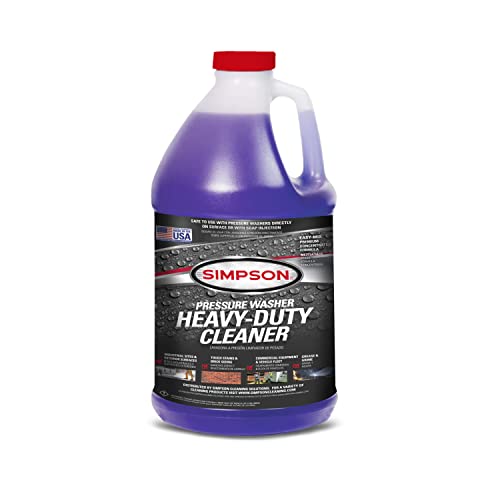
- Pressure washer for Ipe deck cleaning
- Deck brightener for Ipe wood
- Nonabrasive wood cleaner spray for Ipe hardwood


Before You Start
Inspect the deck for loose boards or protruding nails and repair as needed. Clear furniture, planters, and debris from the deck surface. Choose a day with mild temperatures and low humidity to avoid rapid drying. Wear eye protection and gloves. Protect nearby plants and use a drip edge to catch runoff. The process typically takes a few hours, including drying time between steps.
Step-By-Step: How To Clean Ipe Decking
- Clear and prepare the area; cover nearby plants and move furniture.
- Mix the ipe deck cleaner for hardwoods according to the product instructions for the deck’s square footage.
- Apply the cleaner evenly across the deck with a sprayer or brush, keeping the surface wet as you work.
- Let the cleaner sit for the recommended dwell time to loosen dirt without drying too quickly.
- Scrub with a stiff bristle deck brush for Ipe wood, using long, even strokes along the grain.
- Rinse thoroughly with a pressure washer for Ipe deck cleaning on a low to medium setting; avoid exceeding 1500 psi to prevent surface damage.
- Inspect for remaining staining; repeat cleaning on stubborn areas if necessary.
- Apply a deck brightener for Ipe wood to restore color and prepare the surface for sealing, if desired.
- Rinse again and allow the deck to dry completely before replacing furniture or applying finish.
Troubleshooting
| Symptom | Likely Cause | Fix | Prevention |
|---|---|---|---|
| Dark streaks persist after cleaning | Severe staining or tannin bleed | Apply a deck brightener and repeat | Clean earlier to minimize tannin exposure |
| Surface feels rough after wash | Over-scrubbing or insufficient rinsing | Rinse thoroughly; lightly re-scrub with a soft brush | Use proper pressure and complete rinsing |
| Grain raised or fuzzy fibers | Excessive moisture or aggressive brushing | Let dry completely; avoid aggressive brushing in humid conditions | Work in cooler, dry weather |
| Uneven color after brightening | Uneven product contact | Reapply evenly following product guidelines | Prepare and apply in consistent passes |
Common Mistakes
- Using high-pressure washers above recommended psi on Ipe can gouge the wood.
- Skipping the pretreatment or not rinsing thoroughly can leave residues that attract dirt.
- Applying deck brighteners without testing a small area first may cause discoloration.
Staying patient and following manufacturer directions reduces the risk of surface damage and color changes.
Tips For Best Results
- Test cleaners on a small, inconspicuous area before full application.
- Work in shade to slow drying and improve cleaning efficacy.
- Rinse from the house outward to avoid dirt tracking back onto cleaned sections.
- Follow up with a protective sealant or oil if you prefer added color and protection, applying only after complete drying.
Call A Professional
Consider a professional cleaning if the deck has extensive staining, mold, or appears structurally compromised. Stop and consult a pro if you notice warped boards, loose fasteners, or persistent rot signs. Professionals can safely pressure wash or chemically treat Ipe without risking surface damage.
FAQ
How often should I clean my Ipe deck?
Plan a cleaning every 1–2 years, or more often if you notice mold, mildew, or heavy leaf litter buildup.
Can I use ordinary household cleaners on Ipe?
For best results, use cleaners designed for hardwoods and avoid bleach-heavy products that may damage the wood finish.
Is pressure washing safe for Ipe?
Yes, but use a low to medium pressure and keep the nozzle moving to prevent gouges and surface wear.
Should I brighten or seal Ipe after cleaning?
Brightening is optional but helps restore color; sealing or oiling is a separate step recommended for ongoing protection.
What about mold or algae on Ipe?
Use a deck cleaner formulated for hardwoods and, if needed, a dedicated mold/mungi cleaner suitable for exterior wood.
Buying Guide
When choosing products for cleaning Ipe decks, consider several factors to ensure effective results and long-term wood health.
Size and scope: Estimate deck area to select appropriate quantities of cleaner and brightener. Larger decks may benefit from a spray applicator or powered sprayer for even coverage.
Noise level: Power washers and sprayers produce varying noise; choose equipment that suits your environment and neighbor considerations.
Energy efficiency: Manual or electric tools consume less energy than gasoline-powered gear; for occasional cleaning, electric options are typically sufficient.
Controls and ease of use: Look for clear dilution rates, dwell times, and spray patterns. A tool with adjustable pressure helps prevent damage.
Placement and storage: Ensure cleaners and gear fit your storage area and are kept away from children and pets. Use containers with labeled usage instructions.
Compatibility: Confirm that cleaners and brighteners are specifically labeled for Ipe or hardwood decks to avoid staining or finish issues.
Maintenance needs: Some products require rinsing steps or drying times; factor these into your cleaning schedule to minimize downtime.
Comparisons: If choosing between deck bristles or nonabrasive sprays, weigh effectiveness on removing tannins and ease of use for your level of DIY comfort.