Keeping a Hotpoint dishwasher clean helps extend its life, maintain hygiene, and ensure dishes come out sparkling every cycle. This guide provides practical steps, using common dishwasher cleaning tools and products, to remove buildup, odors, and mineral deposits while preserving the appliance’s efficiency.
Quick Answer
Run a hot cycle with a dishwasher cleaner tablet or a descaler, clean the filter and spray arms, remove debris, and wipe seals. Regular monthly cleaning helps prevent odor and buildup and keeps performance steady.
What You’ll Need
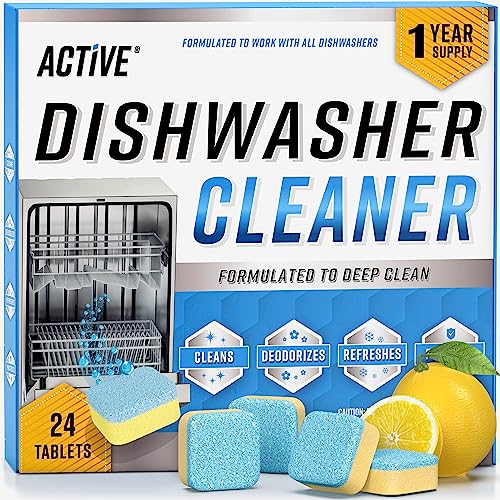
- Hotpoint dishwasher cleaner tablets
- Dishwasher descaler for hard water
- Dishwasher filter cleaning brush
- Spray arm and nozzle cleaning brush for dishwasher
- Dishwasher odor remover gel and cleaning spray

Before You Start
Prepare a clean workspace where you can access the lower and upper racks. Unplug the unit or switch off the circuit breaker for safety. Remove any large debris from the bottom of the tub before starting. Note that hot water and steam can cause burns, so wear gloves and allow the dishwasher to cool briefly between steps.
Step-By-Step: How To Clean Hotpoint Dishwasher
- Empty the dishwasher completely and inspect the bottom for food particles or grit. Remove visible debris with a damp cloth.
- Wipe a cup of white vinegar across the interior to loosen grease, then run a short hot water cycle on an empty dishwasher to loosen residue.
- Place a dishwasher cleaner tablet in the detergent dispenser and run the hottest cycle. If you prefer a descaler, place it according to the product’s directions and run a hot full cycle.
- After the initial cleaning cycle, remove the lower rack and locate the filter. Remove the filter assembly and rinse it under warm water. Use the dishwasher filter cleaning brush to scrub away trapped debris.
- Inspect the spray arms and nozzles. Use the spray arm and nozzle cleaning brush for dishwasher to dislodge mineral deposits or clogs from holes and waterways.
- Return the filter to its housing and reinstall the spray arms securely. Run a second hot cycle with the dishwasher odor remover gel or cleaning spray applied along the door seal and tub interior to neutralize odors.
- Wipe the door seals and gasket with a damp cloth to remove any mildew or buildup. A soft brush can help reach tight spaces around the seal.
- After the cycle completes, run a quick rinse cycle with the door open to dry out the interior. Leave the door ajar for a while to allow residual moisture to evaporate and prevent mold growth.
- Optionally, wipe down the exterior with a gentle cleaner designed for stainless surfaces, if applicable, and recheck the seals for wear or damage.
- Schedule monthly or bi-monthly cleanings to maintain performance, especially in areas with hard water or frequent heavy loads.
Troubleshooting
| Symptom | Likely Cause | Fix | Prevention |
|---|---|---|---|
| Dishes still wet or run times seem long | Filter or spray arms clogged | Clean filter and spray arms thoroughly | Regularly inspect components during cleanings |
| Bad odor after cycles | Mold in door seals or left moisture | Clean seals; leave door open after cycles | Use odor remover gel as needed; keep interior dry |
| Visible mineral deposits on dishes | Hard water buildup | Descale with dishwasher descaler | Regular descaling in hard-water areas |
| Water not draining | Blocked filter or pump | Clear filter; check pump for obstructions | Clean after heavy use to prevent clogs |
Common Mistakes
- Using abrasive cleaners that can scratch the interior or gasket.
- Neglecting the spray arms and filters, which reduces cleaning efficiency.
- Overloading the dishwasher, which blocks water flow and prevents complete cleaning.
- Ignoring mineral buildup in areas with hard water, leading to persistent odors and poor performance.
Keeping to a consistent cleaning routine minimizes these issues and helps maintain a Hotpoint dishwasher’s reliability.
Tips For Best Results
- Run an empty hot cycle with a dishwasher cleaner tablet once a month in normal use; increase frequency in hard-water regions.
- Use the dishwasher descaler as needed to manage mineral deposits, especially if you notice cloudy glassware.
- Inspect seals weekly for cracks or gaps; replace damaged seals promptly to prevent leaks.
- Keep the interior dry after cycles by leaving the door slightly ajar; this reduces mold growth.
- Use the odor remover gel near the door gasket to address persistent smells between deep cleans.
Call A Professional
Consider professional service if you notice persistent leaks, unusual noises, error codes, or if cleaning does not restore performance after multiple cycles. Stop using the unit immediately if you detect pooling water or significant damage to the door seal, wiring, or water inlet hose.
FAQ
How often should I clean my Hotpoint dishwasher?
Most households benefit from a thorough clean every month or two, with descaling every few months in areas with hard water.
Can I use a regular dishwasher cleaner instead of a descaler?
Yes, but use products as directed and avoid mixing cleaners which can create fumes or damage seals.
What is the best way to remove odors from a Hotpoint dishwasher?
Use an odor remover gel along with a cleaning spray on seals and run a hot cycle with the door closed, then wipe seals dry.
My dishes are still dirty after cleaning—what should I do?
Check and clean the filter and spray arms, ensure there is no food debris in the bottom, and verify that the water inlet and spray arm holes are not clogged.
Is it safe to use vinegar for cleaning?
Vinegar can help loosen residues, but avoid using it in excess or mixed with bleach; use manufacturer-approved cleaners for best results.
Should I clean the gasket and door seal?
Yes, regular wiping with a damp cloth prevents mold and improves sealing efficiency.
Buying Guide
When selecting accessories or replacements for maintaining a Hotpoint dishwasher, consider size compatibility, noise level, energy efficiency, control features, and placement in the kitchen. Key factors include:
- <bSize and fit: Ensure cleaning tools and filters match the specific Hotpoint model and interior dimensions.
- <bNoise level: While most dishwashers run quietly, consider tools such as brushes and descalers that are safe for use around tight spaces.
- <bEnergy and water usage: Efficient cleaners and descalers help minimize environmental impact and operating costs.
- <bControls and accessibility: Easy-to-use cleaners that are compatible with your model’s detergent dispenser and rinse cycle.
- <bPlacement and installation: Keep shelves accessible for filter removal and spray arm access; avoid placing items that obstruct spray nozzles.
For best results, match your choices to your hard-water levels, frequency of use, and the layout of your kitchen. If in doubt, review your Hotpoint model’s manual for recommended maintenance routines and compatible products.