Heels elevate an outfit, but their delicate materials and construction require careful maintenance. This guide explains a straightforward method to clean various heel surfaces, preserve the finish, and extend their life. Readers will learn step-by-step cleaning techniques and the right tools to use for different materials.
Quick Answer
Start with a quick surface wipe to remove dust, then treat the material with the appropriate brush and cleaner. Use a microfiber cloth to buff dry and restore shine. For stubborn spots, choose a targeted eraser sponge designed for leather or suede, and finish with a protective product to prevent future staining.
What You’ll Need
- Suede brush for heels cleaning
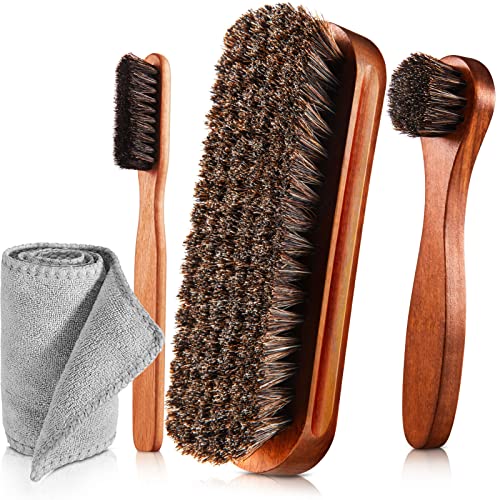
- Leather shoe cleaning kit with brush and cloth
- Microfiber shoe cleaning cloths bundle
- Nylon bristle shoe cleaning brush set
- Heel care cleaning eraser sponge for leather shoes


Before You Start
Prepare a clean, well-lit workspace on a sturdy surface. Remove loose dirt with a gentle dusting motion, then test cleaners on a hidden area to prevent color transfer. Avoid soaking shoes, which can damage glue, padding, and finishes. For suede, work in a dry environment to prevent watermarks. Allow heels to dry completely before wearing.
Step-By-Step: How To Clean Heels
- Remove loose dirt using a dry microfiber cloth, focusing on the heel cap and seam lines.
- For smooth leather, apply a small amount of leather cleaner from the Leather Shoe Cleaning Kit and work in circular motions with a nylon bristle brush.
- For suede heels, use the Suede Brush for Heel Cleaning to lift nap and refresh texture; avoid applying water.
- Gently rub scuffs with the Heel Care Cleaning Eraser Sponge for Leather Shoes, using light, even pressure.
- Wipe away residue with a clean microfiber cloth and check for remaining marks; repeat as needed.
- Polish leather surfaces with a soft cloth to restore shine, applying a conditioner if recommended for the product.
- Clean the heel tips and bottom edges with a nylon bristle brush to remove embedded dirt.
- Let the heels air-dry completely in a well-ventilated area before storing.
- Optional: apply a protective spray suitable for the material to guard against future stains.
- Store in a dust bag or box to shield from sunlight and humidity between wears.
- Inspect regularly for loose stitching or sole wear and address promptly to prevent further damage.
Troubleshooting
| Symptom | Likely Cause | Fix | Prevention |
|---|---|---|---|
| Dull leather finish after cleaning | Over-wiping or using harsh cleaners | Use a gentle cleaner and buff with a microfiber cloth | Test cleaners on a hidden area first |
| Water stains on suede | Water exposure | Dry brush with suede brush and avoid moisture | Protect with a suede-safe spray |
| Scratches on patent leather | Excessive pressure with rough tools | Switch to softer cloth and dedicated patent cleaner | Keep tools gentle and appropriate |
| Stuck residue on heel cap | Nearby glue or adhesive | Gently rub with eraser sponge, then wipe | Avoid aggressive scraping |
Common Mistakes
- Using too much liquid cleaners on leather or suede
- Neglecting to test cleaners on hidden areas first
- Applying heat to speed drying
- Using stiff brushes that scratch delicate surfaces
- Forgetting to protect suede with the correct spray after cleaning
Tips For Best Results
- Always match the cleaning method to the heel material (leather, suede, patent, or mixed).
- Clean heels in sections, addressing one area at a time to avoid spreading dirt.
- Keep a dedicated kit for heels to streamline maintenance and reduce cross-contamination.
- Store heels upright or with heel supports to maintain shape and prevent creases.
Call A Professional
Seek professional help if heels have deep cracks, significant structural damage, loose components, or if cleaning could risk color loss. Stop cleaning and consult a cobbler or leather specialist if the heel core shows signs of instability or if the sole is separating.
FAQ
Can I wash suede heels with water?
Water can cause watermarks and nap distortion; stick to dry cleaning methods and suede-specific products.
How often should I clean my heels?
Clean them after exposure to dirt, salt, or rain, and perform a light wipe weekly to maintain appearance.
What should I use on patent leather heels?
A soft microfiber cloth with a patent-specific cleaner works best; avoid abrasive tools.
Is it safe to use household cleaners on leather heels?
Household cleaners can damage leather finishes; use products formulated for leather care.
How do I remove salt stains from heels after winter?
Wipe with a damp cloth and apply a leather-safe cleaner; follow with a conditioner to restore moisture.
Should I condition leather after cleaning?
Yes, conditioning helps maintain suppleness and prevents cracking, but use a product recommended for your specific leather type.
Buying Guide
When choosing cleaning gear for heels, consider material compatibility, ease of use, and storage needs. Key buying factors include size, noise level of tools, energy efficiency of powered cleaners, control and precision of brushes, and placement when storing products. For mixed-material heels, a versatile kit that includes a suede brush, a leather cleaning set with cloth, and microfiber cloths offers flexibility. Evaluate each option by how well it addresses both routine cleaning and stubborn spots. A compact kit is ideal for travel, while larger kits suit regular care at home. Think about whether you prefer a single-brand system or a mix of specialized tools to match your heel materials and finishes.