Grease stains can be stubborn, but with the right approach you can restore a carpet’s appearance and prevent permanent damage. This guide explains practical steps, the best products to use, and how to tackle grease without harming fibers or backing.
By following a structured method, homeowners can lift grease efficiently, minimize odor, and avoid spreading the stain. The process emphasizes absorbent powders, targeted cleaners, and careful blotting to keep traffic areas looking fresh.
Quick Answer
Act quickly to blot excess grease, then apply a grease-specific cleaner, blot again, and rinse if safe for your carpet type. Use a microfiber cloth for best results and finish with a carpet brush scrub tool to agitate stain removal solutions.
What You’ll Need
- Carpet grease stain remover spray
- Dry cleaning solvent carpet spotter
- Microfiber cleaning cloth for carpet stain removal
- Carpet cleaning brush scrub tool
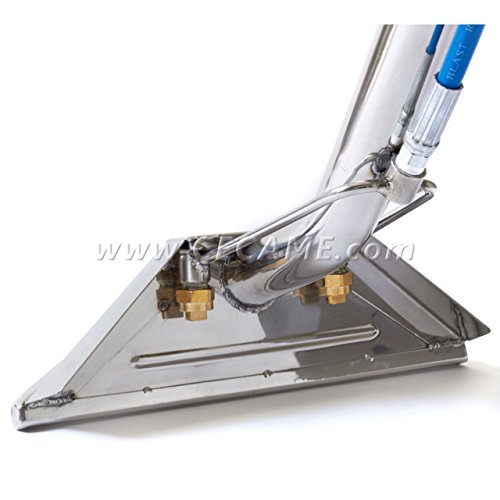
- Carpet upholstery extractor attachment cleaning wand


Before You Start
Work on a small, inconspicuous area first to test colorfastness. Vacuum the area to remove loose particles. Place a clean white towel under the stain to monitor color transfer. Always follow label directions on cleaners and avoid saturating the carpet, which can lead to backing damage or mold growth. Estimate 15–45 minutes for initial treatment, plus time for drying.
Step-By-Step: How To Remove Grease From Carpet
- Blot excess grease with a clean, dry microfiber cloth. Do not rub, as rubbing can push the stain deeper.
- Spray a fine layer of carpet grease stain remover spray over the stain and let it sit for 5–10 minutes to break down oils.
- Gently blot again with a fresh microfiber cloth to lift loosened grease; avoid pressing hard.
- Apply a small amount of dry cleaning solvent carpet spotter to a white cloth and dab the stained area, working outward from the center.
- Use a carpet cleaning brush scrub tool to lightly agitate the stain, helping the solvent penetrate the fibers without fraying.
- Rinse the area with clean water if the cleaner’s label allows, blotting with a dry cloth to remove moisture.
- If the stain persists, repeat the solvent application and agitation. For deep or set-in grease, move to a carpet upholstery extractor attachment cleaning wand to extract the remaining solution and lifted grease.
- Allow the carpet to air-dry completely. A fan or dehumidifier can speed up drying and reduce odor.
- Vacuum the area once dry to restore nap and remove any residual powder or cleaner residue.
- Inspect the area; if a faint stain remains, consider repeating a targeted treatment or consulting a professional for persistent spots.
- Dispose of used cloths safely and wash reusable tools after each use to prevent cross-contamination.
Troubleshooting
| Symptom | Likely Cause | Fix | Prevention |
|---|---|---|---|
| Stain reappears after drying | Grease embedded in fibers | Reapply stain remover and repeat steps | Act quickly and blot, not rub |
| Discoloration or dye transfer | Colorfastness issue or over-wetting | Test area first; use minimal liquid | Use appropriate cleaners for carpet type |
| Sticky residue after cleaning | Excess cleaner or incomplete rinsing | Blot with clean water and dry thoroughly | Follow label directions precisely |
| Odor persists | Grease odor absorbed by carpet backing | Ventilate and consider a deodorizing spray compatible with carpet | Clean promptly and dry completely |
Common Mistakes
- Using hot water or heat on grease stains, which can set the oil
- Rubbing aggressively, spreading the stain or damaging fibers
- Over-wetting the carpet, leading to mold or backing damage
- Using incompatible cleaners that discolor or weaken carpet fibers
- Skipping a test patch to gauge colorfastness
Tips For Best Results
- Blot, don’t rub, and work from the outside edge toward the center to minimize spreading
- Use microfiber cloths for their high absorbency and lint-free performance
- Choose cleaners specifically labeled for grease on carpets for best chemical compatibility
- Ensure adequate ventilation and allow full drying time to prevent musty odors
- Keep a small stain-removal kit on hand for quick response to spills
Call A Professional
Call a professional if:
- The stain covers a large area or is on delicate or antique carpets
- There is persistent odor or color change after multiple attempts
- Water damage or mold concerns accompany the stain
FAQ
Can I use household dish soap for grease on carpet?
Dish soap can help break down grease, but it may leave residue. Use a grease-specific cleaner and test first.
Is it safe to use heat to remove grease?
No. Heat can set grease and stain deeper into fibers, making removal harder.
How long should the carpet dry after treatment?
Typically 2–6 hours, depending on humidity and airflow; ensure thorough dryness before walking on it.
Will the stain return after cleaning?
Stains can reappear if grease migrates from under the carpet or backing; re-clean and ensure complete removal of oils.
Are there eco-friendly grease cleaners?
Yes, many brands offer eco-friendly options; read labels for carpet compatibility and GREASE-specific formulations.
Should I test cleaners on color patches?
Always test on an inconspicuous area to confirm colorfastness before applying to the stain.
Buying Guide
When selecting products for grease removal from carpet, consider these factors:
- Carpet compatibility: Check that cleaners are safe for your carpet fiber (nylon, polyester, wool, etc.).
- Grease-focused formulas: Opt for products formulated to break down oils and waxes rather than general cleaners.
- Application method: Sprays, spotters, and extraction tools each serve different scenarios—choose based on stain size and carpet type.
- Rinse and residue: Prefer products that rinse clean or require minimal residue to prevent re-soiling.
- Drying time: Faster-drying formulas reduce downtime and odor risk.
- Tool compatibility: Ensure brushes and wands are suitable for your carpet pile height and backing.
- Pet and child safety: Look for low-toxicity options with clear usage directions.
Would you like help selecting specific products based on your carpet type and stain size? A quick assessment of fiber, stain age, and room conditions can guide the best combination of cleaners and tools for optimal results.