Keeping golf cart seats clean extends their life and makes rides more pleasant. This guide walks through practical steps using common vinyl care products and simple tools. Readers will learn how to treat stains, condition the vinyl, and prevent future wear without damaging the seats.
Quick Answer
Use a dedicated vinyl upholstery cleaner spray to break up dirt, a stain remover for vinyl to tackle spots, and a microfiber towel set for gentle wiping. Finish with a vinyl conditioner protectant to seal and protect the surface. Always test a hidden area first and work in small sections for best results.
What You’ll Need
- golf cart vinyl upholstery cleaner spray
- golf cart seat stain remover for vinyl
- microfiber towel set for golf cart seat cleaning
- vinyl conditioner protectant for golf cart seats
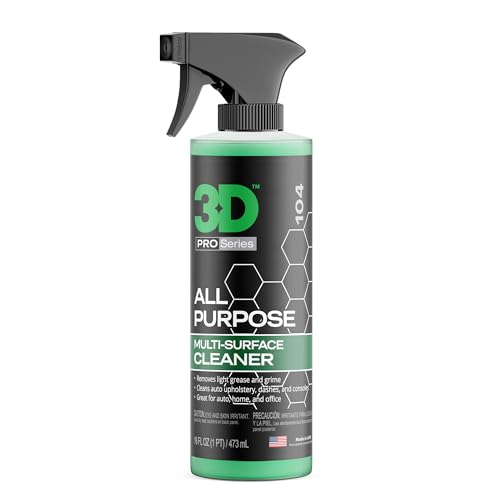
- all-purpose cleaner for golf cart interior vinyl seats


Before You Start
Prepare a clean workspace and ensure the cart is parked in a shaded area to prevent rapid drying. Remove loose debris with a soft brush or vacuum designed for automotive interiors. Avoid harsh solvents that can degrade vinyl. Perform a spot test in a hidden corner to confirm colorfastness. Expect the initial clean to take 15–30 minutes per seat, with extra time for stubborn stains.
Step-By-Step: How To Clean Golf Cart Seats
- Remove surface dust and hair with a dry microfiber cloth to prevent rubbing dirt into the vinyl.
- Lightly mist the seat with all-purpose cleaner for golf cart interior vinyl seats and let it rest for 60 seconds to loosen grime.
- Spray golf cart vinyl upholstery cleaner spray on a small section, then scrub gently with a microfiber towel in circular motions.
- Apply golf cart seat stain remover for vinyl to any persistent spots and work from the outside in toward the center to avoid spreading.
- Wipe clean with a fresh microfiber towel, rinsing the cloth frequently to avoid re-depositing dirt.
- Dry each area with a dry towel, ensuring no moisture remains in seams or seams joints.
- Lightly mist a vinyl conditioner protectant over the seat surface and buff with a clean microfiber cloth for even coverage.
- Inspect for remaining stains or dull areas and repeat targeted steps as needed on affected sections.
- Repeat the process for adjacent seats, using fresh towels to prevent cross-contamination.
- Allow the conditioner to cure for a few hours in a shaded area before use, avoiding heavy seating until fully dry.
- Optional: apply a second, thin coat of conditioner after 24 hours for enhanced protection.
Troubleshooting
| Symptom | Likely Cause | Fix | Prevention |
|---|---|---|---|
| Streaks after cleaning | Residual cleaner or water | Wipe with a dry microfiber towel and buff gently | Use minimal cleaner; dry promptly |
| Stains persist | Set-in stain | Apply targeted stain remover and re-clean | Treat stains early |
| Vinyl feels sticky | Over-application of cleaner or conditioner | Wipe excess product and air-dry | Use thin, even coats |
| Fading color | Harsh cleaners or sun exposure | Switch to mild cleaners; avoid direct sun | Park in shade; test products |
Common Mistakes
- Using abrasive brushes that scratch vinyl
- Over-wetting seats, which can seep into seams
- Skipping a test patch before full application
- Neglecting to dry seats completely before use
Avoiding these pitfalls helps maintain color, texture, and longevity of the golf cart seats.
Tips For Best Results
- Work in small sections to maintain control over cleaning products.
- Choose a dedicated vinyl cleaner and a separate stain remover for tough spots.
- Use microfiber towels of different textures for scrubbing and drying.
- Condition after cleaning to restore moisture and protect against UV damage.
Call A Professional
Seek professional help if the vinyl shows deep cracking, extensive dye migration, or mold growth that doesn’t respond to at-home cleaning. Signs to stop DIY cleaning and call a pro include persistent odor, color bleeding, or swelling of vinyl seams.
FAQ
Can I use household cleaners on golf cart vinyl seats?
Use cleaners specifically designed for vinyl interiors to minimize risk of damage.
How often should I clean golf cart seats?
Clean monthly or after heavy use; perform spot cleaning as soon as stains appear.
Will conditioning protectants make seats slippery?
When applied correctly, vinyl conditioners should not create slick surfaces; follow product directions and buff well.
Is cleaning safe for all colors of vinyl?
Test any product on a hidden area first; most vinyl colors respond well to dedicated vinyl cleaners.
Buying Guide
When selecting products to clean and protect golf cart seats, consider size of the cleaning area, frequency of use, and seat material type. A compact spray bottle of vinyl upholstery cleaner is convenient for portable maintenance, while a dedicated stain remover is essential for persistent spots. For maintenance, a vinyl conditioner protectant helps extend color and flexibility of the vinyl. Look for products labeled safe for automotive interiors and compatible with vinyl fabrics.
Key Buying Factors
- Size and packaging: Choose bottles that fit your cleaning cadence and storage space.
- Noise level: Not applicable to cleaners; consider low-odor, non-aerosol options if scent sensitivity matters.
- Energy efficiency: Not relevant to cleaning products; focus on efficacy and ease of use.
- Controls: Look for simple spray triggers and clear directions for best results.
- Placement: Store cleaners out of direct sunlight and away from heat to maintain product stability.
Multiple product perspectives help users compare claims like stain-removal strength, UV protection, and ease of use. Before purchasing, assess how often seats need cleaning, whether you prefer spray or wipe-on formats, and how much maintenance you’re willing to perform. Ready-to-use kits can streamline the process, while separate cleaners offer flexibility for ongoing upkeep.