Keeping plastic glasses frames clean helps maintain clear vision, extend frame life, and prevent skin irritation from buildup. This guide provides a practical, step-by-step approach using common cleaning tools designed for plastic frames.
Readers will find a concise Quick Answer, a complete list of tools, safety notes, actionable steps, troubleshooting, and a thoughtful buying guide to choose the right cleaning supplies for plastic eyeglasses.
Quick Answer
Gently rinse frames with lukewarm water, apply a mild, alcohol-free spray or a dedicated eyeglass cleaner, wipe with a microfiber cloth, and dry with a soft brush if needed. For stubborn grime, use a soft bristle glasses cleaning brush, then re-wipe with a microfiber cloth to finish. Always avoid harsh chemicals that can damage plastic coatings.
What You’ll Need
- Microfiber cleaning cloth for eyeglasses plastic frames
- Eyeglasses cleaning spray alcohol-free for plastic frames
- Soft bristle glasses cleaning brush for plastic frames
- Anti-fog spray for eyeglasses plastic frames
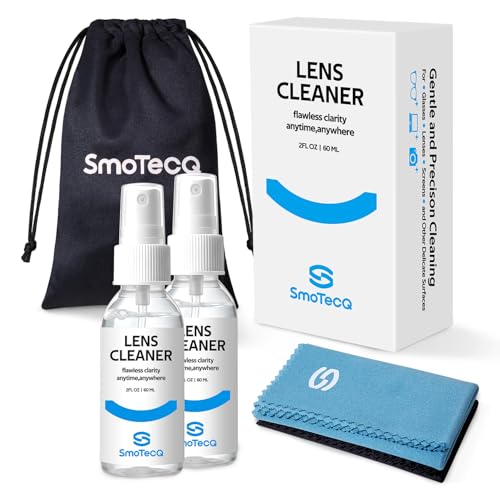
- Eyeglass cleaning kit microfiber cloth spray bottle


Before You Start
Preparation ensures safe cleaning without scratching or dulling coatings. Use lukewarm water rather than hot, avoid household cleaners with ammonia or acetone, and shield lenses from direct sunlight during cleaning. If the frames have coatings or unusual finishes, test a small, inconspicuous area first. Time to complete cleaning typically takes 5–10 minutes.
Critical cautions: Do not use rough fabrics, don’t apply excessive force when brushing, and avoid abrasive cleaners that can scratch or degrade plastic frames. If any frame components are loose or cracked, stop and seek professional help.
Step-By-Step: How To Clean Plastic Glasses Frames
- Rinse the glasses under a gentle stream of lukewarm water to remove loose debris.
- Apply a small amount of eyeglasses cleaning spray alcohol-free for plastic frames to the lenses and frames or use a dedicated microfiber cloth kit spray bottle.
- Gently agitate with a soft bristle glasses cleaning brush for plastic frames to lift oils from the nose pads and temples without scratching.
- Wipe the lenses and frames with a clean microfiber cleaning cloth for eyeglasses plastic frames, using circular motions.
- For persistent smudges on frames, re-apply spray and re-brush lightly, then wipe again with the microfiber cloth.
- Use a dedicated anti-fog spray for eyeglasses plastic frames on the interior surfaces if fogging is a concern, following product instructions.
- Dry the frames completely with a fresh microfiber cloth, paying attention to hinges and nose pads to prevent moisture buildup.
- Store the glasses in a protective case when not in use to minimize dust and accidental damage.
Troubleshooting
| Symptom | Likely Cause | Fix | Prevention |
|---|---|---|---|
| Smudges remain after cleaning | Oil from skin or hair | Clean with alcohol-free spray and microfiber cloth, repeat if needed | Clean regularly to prevent buildup |
| Streaks on lenses | Residue from cleaner or cloth fibers | Use a fresh microfiber cloth and pure water rinse | Only use recommended sprays |
| Frames feel sticky | Residue from previous cleaners | Rinse thoroughly with lukewarm water and re-clean | Avoid mixing products |
| Fogging after cleaning | Low-quality anti-fog or improper application | Reapply a proper anti-fog spray per instructions | Clean lenses before applying anti-fog products |
| Scratches on lenses | Brushing too hard or using abrasive cloths | Switch to a softer brush; use microfiber cloth only | Handle with care and store properly |
Common Mistakes
- Using household glass cleaners or solvents on plastic frames
- Wiping lenses with paper towels or fabric prone to lint
- Brushing aggressively, especially around hinges and nose pads
- Skipping rinsing before cleaning, which can spread grime
Tips For Best Results
- Establish a quick daily routine: rinse, spray, brush, wipe, and dry.
- Choose alcohol-free sprays to preserve coatings and avoid residue.
- Keep a dedicated kit at home and a compact travel kit for on-the-go cleaning.
- Store frames in a hard case to protect from dust and damage when not worn.
- Inspect frames for loose screws and get them tightened by a professional if necessary.
Call A Professional
Contact a professional if frames show significant scratches, cracks, loose hinges, or if coatings appear damaged. Seek an optician’s or eyewear technician’s assistance for frame repairs or coating restoration beyond routine cleaning.
FAQ
Can I use soap and water to clean plastic frames?
Yes, lukewarm water with a mild, alcohol-free cleaner is effective for plastic frames.
Is it safe to use a brush on plastic frames?
Yes, a soft bristle glasses cleaning brush is appropriate when used gently on non-scratching areas.
How often should I clean my glasses?
Daily light cleaning is recommended, with a deeper clean weekly or as needed when frames become visibly dirty.
What should I do if my lenses fog up after cleaning?
Reapply a dedicated anti-fog spray following the product’s instructions and ensure proper drying.
Are alcohol-based cleaners safe for plastic frames?
Alcohol-based cleaners can degrade some coatings; opt for alcohol-free formulas designed for plastic frames.
Can I clean around the hinges and nose pads?
Yes, use a soft brush and light cleaning to avoid loosening components.
Should I use a hairdryer to dry frames?
Avoid high heat; air-dry or use a gentle, room-temperature setting.
Buying Guide
Choosing the right cleaning tools for plastic glasses frames involves several factors. Consider the size and shape of your frames, the presence of coatings, and how often you clean. Noise level from brushes is generally low, and energy efficiency is tied to any electronic spray devices you may use. Look for a kit that includes a microfiber cloth, a spray bottle, and a soft brush, and prioritize alcohol-free formulas to protect coatings. Ensure compatibility with plastic frames and assess whether you need anti-fog capabilities for humid environments. Think about storage: a compact kit for travel versus a full home setup. Finally, check for packaging that indicates gentle, non-abrasive cleaning agents and clear usage instructions to extend frame life.